
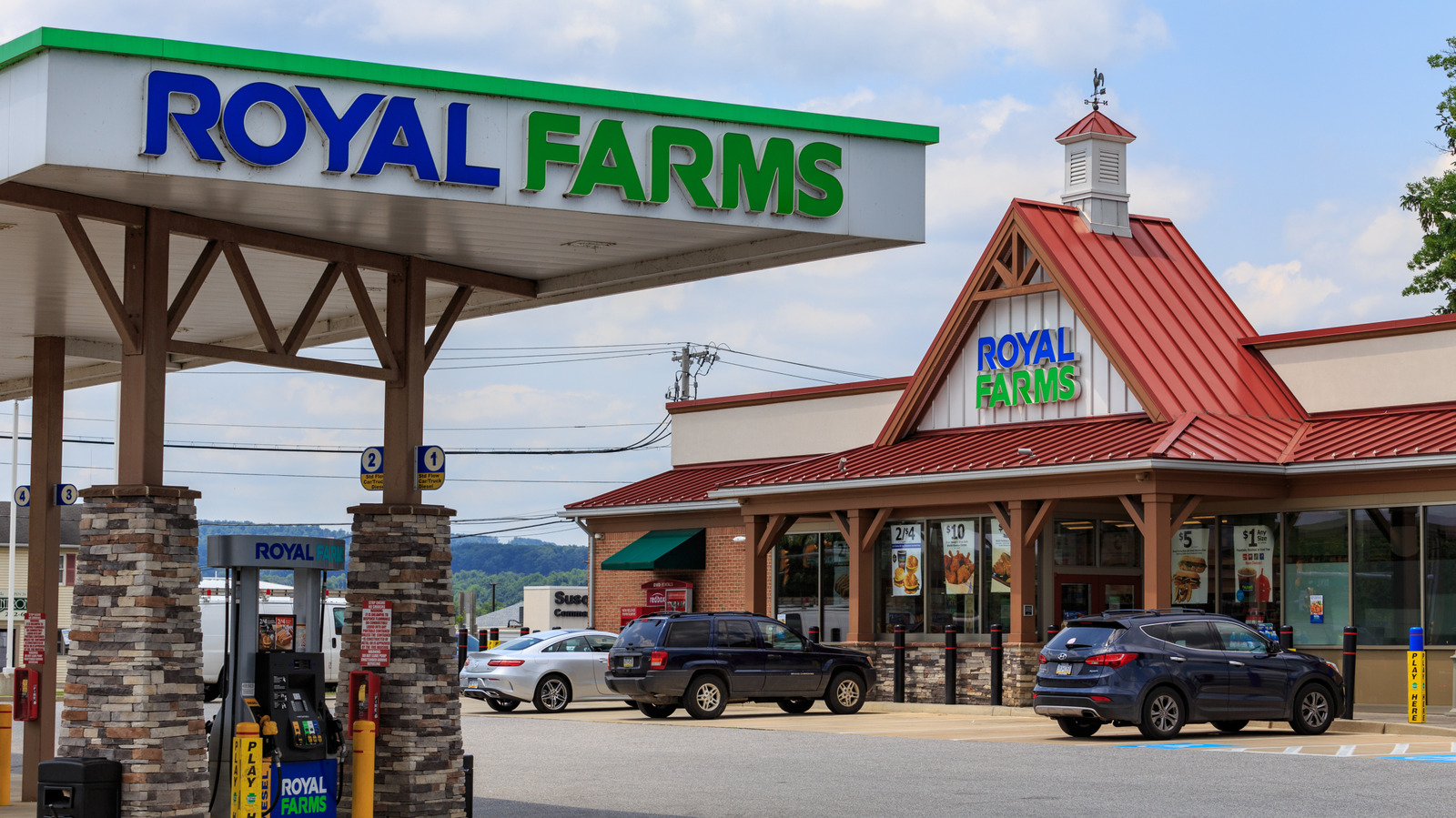
Royal Farms is a Mid-Atlantic convenience chain best known for its fried chicken, but there is a deeper story behind the brand, its roots, and who steers the company today. This piece traces the chain’s beginnings, how it grew into a regional player, the structure of its ownership, the role of family and leadership, and what keeps customers coming back. Expect clear, straightforward reporting with a focus on origins and continuity rather than flashy marketing. The article stays grounded in the business facts and the chain’s cultural footprint across the region.
Royal Farms started small and built a loyal following by putting hot food and quick service front and center, which is how many convenience concepts find traction. Early locations leaned on a simple value proposition: clean stores, hot food, and gasoline when people needed it. That practical, customer-first approach helped the brand take root in a competitive Mid-Atlantic market. Over time, the menu and retail offerings evolved to match shopper habits and regional taste.
Growth was steady and strategic rather than explosive, with the chain adding locations where density and logistics made sense. That pattern favored clustering in metropolitan corridors where supply lines and real estate allowed repeatable store formats. The expansion strategy emphasized consistency, so a customer in one town knew what to expect in another. That predictability is part of why customers associate Royal Farms with reliable fried chicken and fast convenience.
The ownership structure of the business has stayed relatively private, which means it avoids the quarterly pressures of public markets and can focus on long-term brand choices. Privately held companies often lean on family leadership or tight executive teams to preserve culture and standards. That model can encourage patience in investments for store renovations, kitchen upgrades, and staff training. It also makes the inner workings less visible to the casual observer.
Family involvement has been a common thread in the chain’s narrative, influencing decisions around growth and community engagement. When founding families keep a hand on the wheel, company priorities often tilt toward steady stewardship rather than high-risk expansion. That tends to translate into conservative capital plans and an emphasis on maintaining service quality across stores. It also means brand identity can remain closely tied to the original vision and local markets.
Royal Farms’ menu plays a starring role in its appeal, and the hot food program helps differentiate it from purely fuel-and-snack competitors. Investing in kitchens, recipes, and staff training signals that the chain values food quality as a traffic driver. That strategy works because customers often pick convenience stores for quick meals as much as for gas or beverages. Maintaining consistent taste and temperature across locations requires operational discipline behind the scenes.
The chain’s community footprint includes sponsorships, local hiring, and occasional outreach that positions stores as neighborhood anchors. When a convenience store becomes a familiar stop on a morning commute or a weekend errand, it takes on more than a transactional role. Local engagement can reinforce loyalty and help blunt competitive pressure from national players. That grassroots presence supports both brand recognition and foot traffic.
Operationally, the company balances fuel sales with in-store revenue, using each to support the other in tight-margin retailing. Fuel attracts customers while food and convenience items deliver higher margins per visit. This dual-focus model requires careful supply chain coordination, inventory management, and pricing strategy to remain profitable. Execution matters more than marketing in maintaining a successful convenience chain.
As retail competition intensifies and consumer habits shift, the chain faces pressure to modernize while protecting what works. That means experimenting with technology for faster checkout, updating store layouts, and refreshing menu offerings. Yet any change has to preserve the recognizable qualities that customers expect on every visit. The future for the brand likely mixes incremental innovation with the steady, practical running that built its reputation.
