
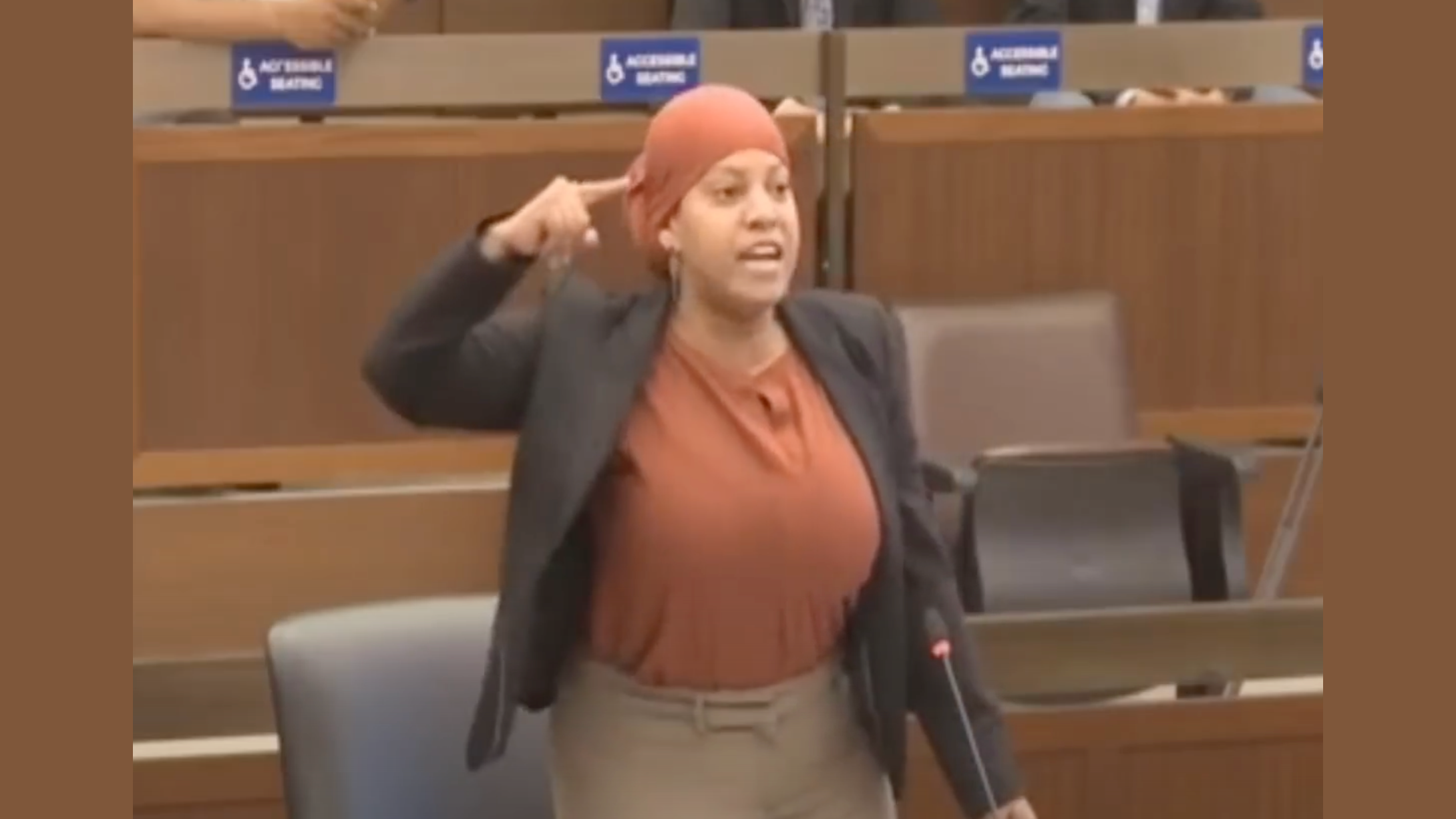
Tania Fernandes Anderson, a Boston City Council member, was sentenced to prison on charges of corruption. Known for her progressive views, Anderson was the first Muslim elected to the council. Her arrest last December by the FBI was a significant event, highlighting the importance of integrity in public office.
Anderson served as Vice Chair of the Post Audit Committee, which plays a crucial role in ensuring government accountability. She faced six felony charges, including wire fraud and theft concerning programs receiving federal funds. The charges were rooted in a kickback scheme that involved taxpayer money.
U.S. Attorney Joshua Levy explained that Anderson orchestrated a scheme to obtain taxpayer money in exchange for bribes. This involved awarding a $13,000 bonus to a staffer who was also a relative, contingent upon returning $7,000 to Anderson. Text messages included in the indictment revealed that the transaction was finalized in a City Hall bathroom.
In May, Anderson pleaded guilty to the charges, resulting in a one-month prison sentence. CBS News reported that her sentence would be followed by three years of supervised release. Additionally, she was ordered to pay $13,000 in restitution.
The prosecution had pushed for a harsher sentence of one year and one day in prison. Despite the reduced sentence, Anderson’s actions underscored the consequences of corrupt behavior in public service. Integrity and transparency remain paramount in maintaining public trust.
Following her sentencing, Anderson expressed her desire to move past the incident. “I actually don’t like being in the media,” she stated. Her request for privacy highlighted the personal toll of public scrutiny.
The case drew attention from various conservative news outlets. Fox News and the New York Post highlighted the significance of holding public officials accountable. Newsmax emphasized the importance of ethical leadership in government roles.
Critics argue that Anderson’s actions reflect a broader issue within certain political circles. Corruption and unethical behavior undermine the principles of democracy and governance. Upholding the law is essential for preserving public confidence in elected officials.
Anderson’s case serves as a reminder of the need for vigilance in political oversight. Elected officials must be held to the highest standards of conduct. The integrity of public office is non-negotiable.
The Boston City Council will now continue its duties without Anderson. Her departure creates an opportunity for renewed focus on transparency and accountability. The council must work to restore public faith in its operations.
As the story unfolds, the community remains watchful. Public officials are expected to act in the best interest of their constituents. Any deviation from this responsibility can have serious repercussions.
The reaction from the public has been mixed. Some view the sentence as a just consequence of her actions. Others believe more stringent penalties are necessary to deter future misconduct.
While Anderson’s political career faces uncertainty, the impact of her actions is clear. Ensuring ethical leadership is paramount for the future of Boston’s governance. The city moves forward with lessons learned and a commitment to integrity.
The case of Tania Fernandes Anderson is a stark illustration of the consequences of corruption. Public officials must prioritize ethical leadership above all else. The trust of the people depends on it.
