
The United States has weathered several speculative booms that ended badly, and the latest to pop in 2025 was immigration to America after six decades of steady growth. This piece traces the parallels among the dotcom run, the housing binge, and the immigration surge, and explains why the recent correction was both predictable and needed. It argues from a conservative perspective that restoring border control and enforcing immigration laws is the right course for taxpayers and communities.
The tech frenzy of the late 1990s started with real innovation but turned into feverish speculation, fueled by cheap money and unchecked optimism. The Nasdaq exploded and then collapsed, teaching investors that hype without sustainable fundamentals is a fragile foundation. That lesson should have warned policymakers about repeating the same patterns elsewhere.
The tech crash should have been a clearer signal to regulators and lenders before housing blew up. Low interest rates, lax underwriting, and the assumption that prices only go up produced a crash with real economic pain for ordinary Americans. When mortgage defaults spiked, the ripple effects became a nationwide recession that exposed bad incentives and moral hazard.
Housing went wild in the early 2000s as credit loosened and policymakers pushed homeownership without guarding the risks. Lenders bundled risky loans into securities and the system depended on continuous price appreciation to cover weak debt. Once rates rose and prices stalled, defaults followed and the market corrected violently.
Immigration to America evolved into a vast, quasi-industrial sector after the 1965 Hart-Cellar Act reshaped legal flows and enabled chain migration. The system has long granted roughly 1 million people lawful permanent resident status in many years, mostly through family ties, which multiplied networks of future sponsors. Over decades those steady legal pathways combined with growing illegal flows to transform migration into a massive, sustained movement.
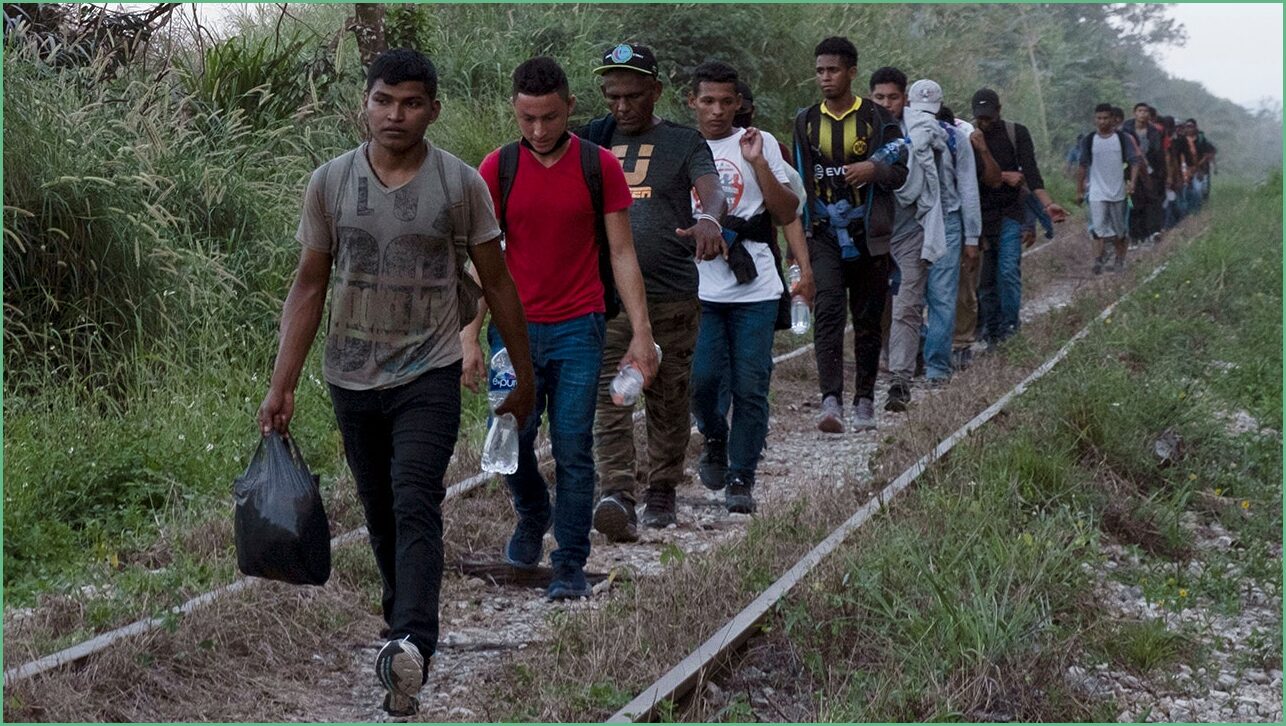
Illegal border crossings rose steadily from the 1970s and ballooned episodically, producing enforcement challenges and local strain. In recent years encounters surged to record levels under the Biden administration, including millions processed at the southwest border and unprecedented internal migration. Those pressures exposed gaps in policy, border security, and the capacity of states and cities to absorb sudden inflows.
For decades, too many illegal acts—sneaking across the border, visa overstays, and work without authorization—went largely without real consequences, and that encouraged repeat behavior. Employers looking to lower labor costs, plus unions and some politicians shifting position for power, created demand and political cover for lax enforcement. That combination turned migration into a political and economic pressure cooker.
Political actors on the Left retooled policies that expanded legal categories, softened asylum standards, and extended protections, while temporary programs often stretched into long-term residence. During the Biden years those moves were amplified by large federal grants to NGOs and creative administrative steps that effectively eased settlement and movement across the country. The result was a self-reinforcing cycle: political incentives fed migration, which then fed political incentives.
The bubble burst when costs and consequences overtook the political upside: record crime spikes, fentanyl deaths, and billions in state and local expenses shifted public opinion. Multiple reports show net international migration fell sharply in 2025, and some estimates put net migration into negative territory for the first time in decades. Demographic projections were revised downward, reflecting the scale of the correction.
Restoring order means enforcing existing laws, finishing the border wall work, and funding deportations and removals where warranted, not papering over violations for short-term politics. Americans want their communities prioritized and federal resources focused on citizens and legal residents, with clear consequences for illegal entry and fraud. Continued enforcement and sensible immigration policy are the tools that will stabilize migration and protect taxpayers.
