
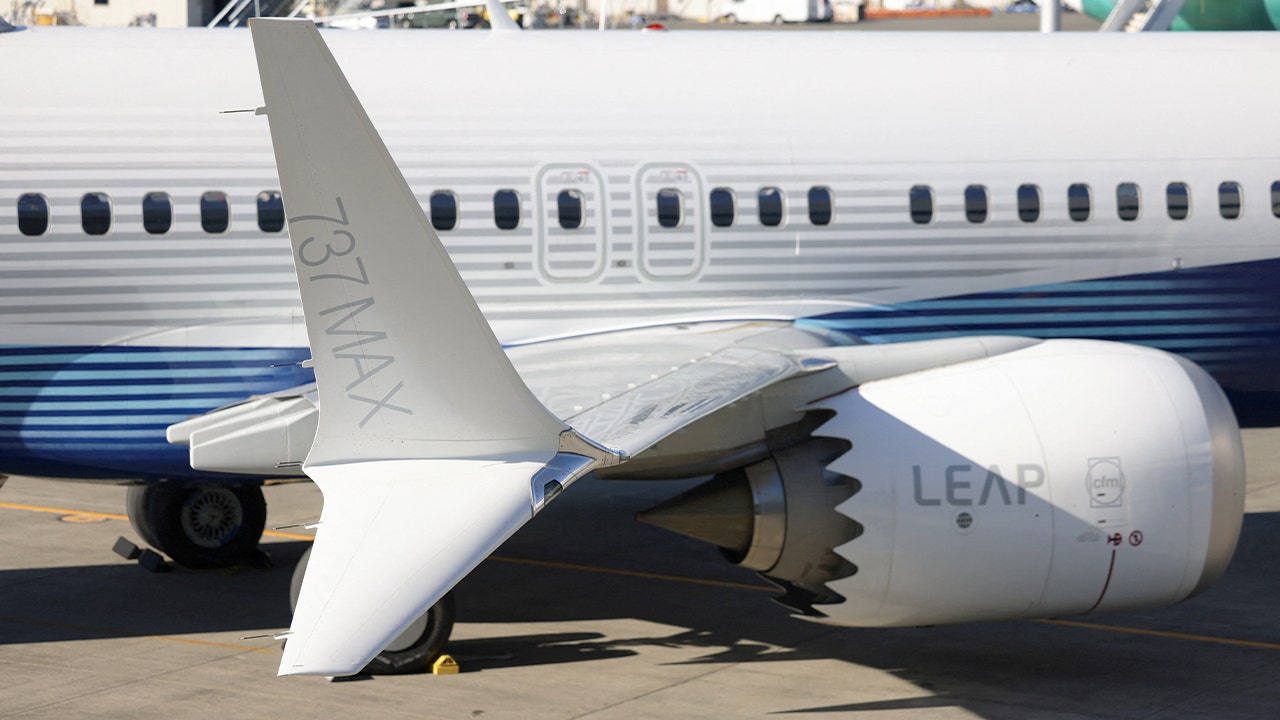
Boeing’s biggest 737 MAX model has finally cleared a major regulatory wall, and that matters because the plane already has a deep lineup of buyers waiting. The FAA’s approval gives the MAX 10 a green light for deliveries, while Boeing pushes to turn years of testing and delays into actual airline handoffs. With the certification done, the aircraft now moves from paperwork and scrutiny into the far more visible world of production and customer schedules.
The FAA certified the 737 MAX 10 after a long review that stretched across years of safety checks, analysis, and flight testing. For Boeing, that meant one of the last big obstacles standing between the jet and commercial service has been removed. The company says the MAX 10 already has 1,555 orders, which is a huge slice of the broader 737 MAX backlog and a clear sign airlines still see value in the aircraft.
That order book is not small change. Boeing says the MAX 10 has been ordered by more than 30 customers around the world, making it a major piece of the company’s narrow-body future. The aircraft family as a whole has drawn 7,350 orders, with nearly 2,500 delivered by the end of September 2026, so this latest certification fits into a much larger push to keep the line moving.
Stephanie Pope, who leads Boeing Commercial Airplanes, called the approval a turning point and said it clears the path for a jet that aims to raise the bar in commercial aviation. She also pointed to the plane’s larger size, longer range, and stronger seat economics as selling points for airlines looking to pack in more passengers without giving up efficiency. For carriers, that mix can translate into better economics on busy routes and more flexibility in fleet planning.
The MAX 10 is the largest version in Boeing’s single-aisle MAX family, and that size gives it a sharp role in the lineup. Boeing says it can carry as many as 230 passengers, though most airlines are expected to configure it for roughly 185 to 210 seats in two-class layouts. It also has a range of up to 3,100 nautical miles, which puts it in the lane for a wide set of domestic and short-haul international trips.
The certification did not happen lightly. Boeing says the FAA review included nearly 1,000 test flights, more than 2,000 flight hours, and another 1,000 hours of ground testing. That kind of trial run is designed to pressure-test the aircraft from every angle, and it reflects how much attention still follows the 737 MAX program after its rough history.
Part of the approval centers on safety improvements built into the aircraft. Boeing says the MAX 10 includes an updated flight-control system and an enhanced angle-of-attack sensor, with those changes expected to spread across the rest of the 737 MAX family over time. Those updates matter because they show the company is still trying to rebuild trust while moving ahead with a key product line.
FAA Administrator Bryan Bedford said the decision came after a thorough review of the design and safety requirements, and he made it clear Boeing will stay under close watch as production ramps up. Transportation Secretary Sean Duffy also praised the certification, framing it as a win for American manufacturing and for the country’s standing in global aviation. The timing is notable because the approval now means all four versions of the 737 MAX family have FAA sign-off, including the smaller MAX 7 earlier this year.
