
Blue-state politics has a way of showing up in everyday life, and not in a subtle way. From schools to jobs to energy prices, the same pattern keeps popping up: heavier regulation, higher costs, and fewer people feeling good about the long-term deal. That is why voters in those states matter so much, because they are the ones deciding whether the trend keeps rolling or gets interrupted.
The phrase “blue blight” is meant to capture that spread. It is not a polished political slogan yet, but it lands because the warning signs are getting harder to ignore. What starts as one state’s policy experiment often becomes a regional mood, and then a national conversation about whether the model still works.
The comparison to Dutch Elm Disease is sharp for a reason. The fungus did not arrive with a press release or a warning label, and by the time the damage was obvious, whole landscapes had already changed. The point is not botanical nostalgia, but how quickly something harmful can move once it gets a foothold.
The same kind of drift is visible in the public education system in a lot of blue states. Spending keeps climbing, but results do not always follow, and families notice that gap faster than politicians do. A bigger budget is supposed to mean better schools, yet too often the payoff feels thin.
That frustration does not stop at the classroom door. It spills into college enrollment, campus planning, and the choices young people make about where to study and where to build a future. When the number of students shrinks, institutions feel it immediately, and the surrounding communities do too.
That is where the job picture starts to matter even more. Fewer manufacturing jobs mean fewer ladders into the middle class, fewer stable paychecks, and fewer reasons for families to stay put. When people look around and see opportunity fading, they start comparing states the way shoppers compare prices.
The contrast between red and blue states becomes clearer in the numbers. Several states that leaned red saw healthier enrollment trends, while many blue states moved in the other direction. That does not happen by accident, and it does not come from vibes alone.
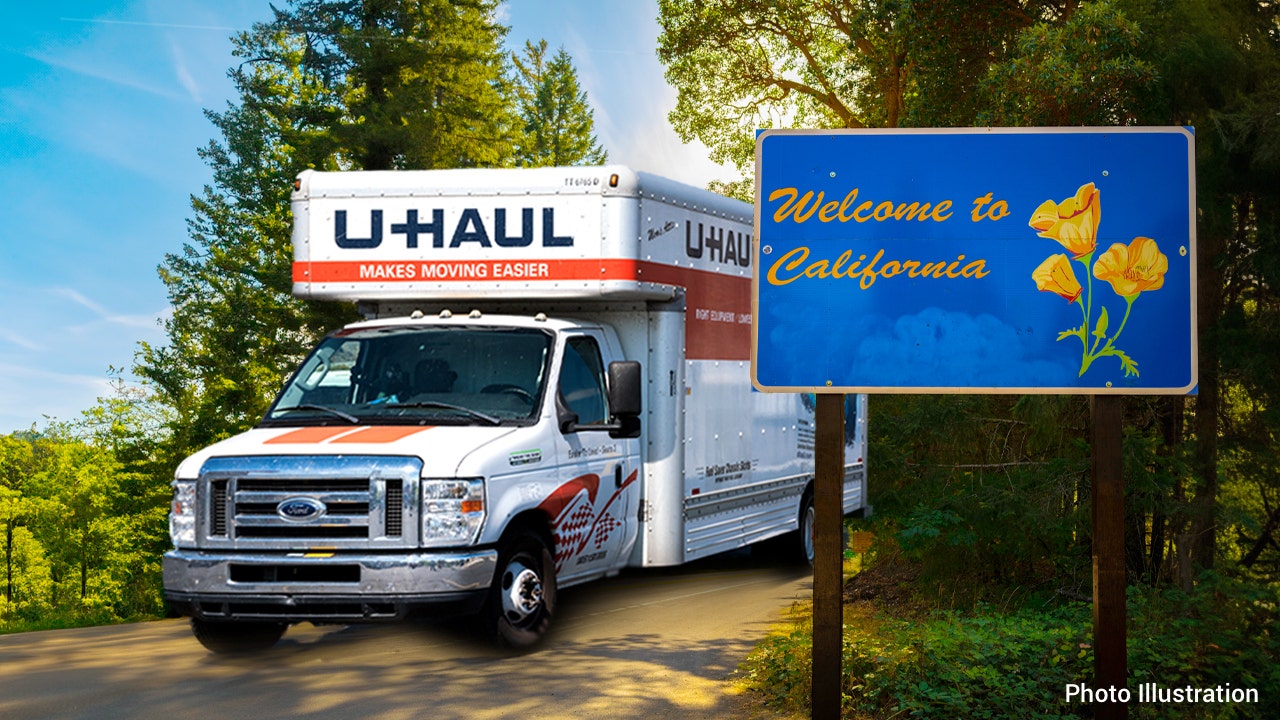
California is the clearest warning sign because the scale makes the decline impossible to shrug off. The state has grown enormously in population, but manufacturing has not kept pace, and in some areas it has dropped sharply. A place can get bigger on paper and still feel like it is losing its economic muscle.
Energy policy tells a similar story. Fewer refineries, lower output, and higher fuel costs hit ordinary people first, especially commuters and working families who have no choice but to pay up. When fuel is cheaper in red states, that is not just a talking point. It is a real-world difference that shows up at the pump every week.
That kind of pressure changes how people think about where they want to live, work, and send their kids to school. It also explains why businesses and workers keep scanning the map for friendlier ground. States that reward growth and keep the rules predictable tend to pull ahead, while the ones that pile on taxes and red tape keep wondering where everybody went.
Voters are not trapped in this. They choose the leaders, the laws, and the direction of their states, and they can choose differently when the results turn sour. If the blue-state model keeps making life more expensive and less secure, the backlash will not come from pundits first. It will come from the ballot box.
