
Paris saw a clash this week between religious leaders and a citywide arts festival, as critics argued that some installations crossed a line by using churches as stages for imagery and themes tied to occult practice. The debate touches on respect for sacred places, artistic freedom, and how communities react when public events enter holy ground.
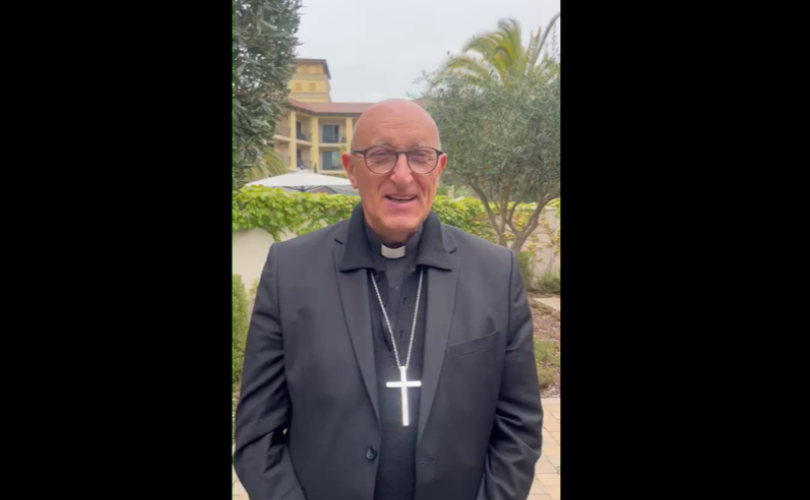
French Bishop Dominique Rey blasted the use of Paris churches for occult-inspired ‘Nuit Blanche’ displays, warning sacred spaces are being misused and scandalizing the faithful. His reaction came after a handful of installations inside historic churches drew attention for symbolic elements many found inappropriate in a consecrated building. That pushback reopened questions about where the boundary lies between public art and reverence for worship sites.
Organizers of the nighttime arts festival have defended their programming as inclusive and provocative in the best sense, aiming to spark conversation and bring different audiences into urban spaces. For them, churches are part of the city fabric and naturally become venues when the lights go on for large cultural events. Still, not every experiment lands well when centuries-old religious sensibilities are involved.
Local parishioners and some clergy say the issue is not about banning art but about context and consent. Many churches are active places of worship where people come to pray, reflect, and mark life events, and those routines can feel violated when installations trade on religious symbols for shock value. That sense of violation is what Bishop Rey and others called scandalous.
City officials have tried to strike a balance, noting that preserving cultural heritage while allowing contemporary expression can be tricky. Permissions for indoor exhibits typically go through municipal bureaucracy, and decisions are influenced by curators, heritage officers, and sometimes clergy. Critics argue those layers failed to catch the tone and content of some displays before the public saw them.
Artists involved in the festival say their intent was not to offend but to probe themes like mortality, mystery, and ritual—subjects that naturally intersect with religious imagery. They point out that art has always tested social norms and that discomfort can be productive when it leads to dialogue. Still, intention does not erase impact, and organizers who ignored that risk faced swift backlash.
Religious leaders are asking for clearer rules when sacred buildings are proposed as venues, including explicit consultation with parish communities and stricter review of content. They want guarantees that exhibits will respect the primary purpose of a church and avoid using sacred symbols in ways that could be seen as mockery. Those demands aim to protect worshippers without shutting down creative expression outright.
At the same time, commentators note the wider cultural tension at play: secular institutions increasingly repurpose religious spaces, and that shift changes how communities relate to those places. When art moves into churches, it brings new audiences and perspectives, but it can also dilute or distort meanings that religious communities hold dear. Finding common ground will require better communication and mutual respect.
Whatever the outcome, the episode in Paris has prompted practical questions about event permits, curatorial oversight, and the role of faith communities in public culture. Policymakers and festival directors will likely revisit procedures to avoid similar controversies in the future. For parishioners who felt targeted, the debate is less about regulations and more about protecting the dignity of places set aside for worship.
