
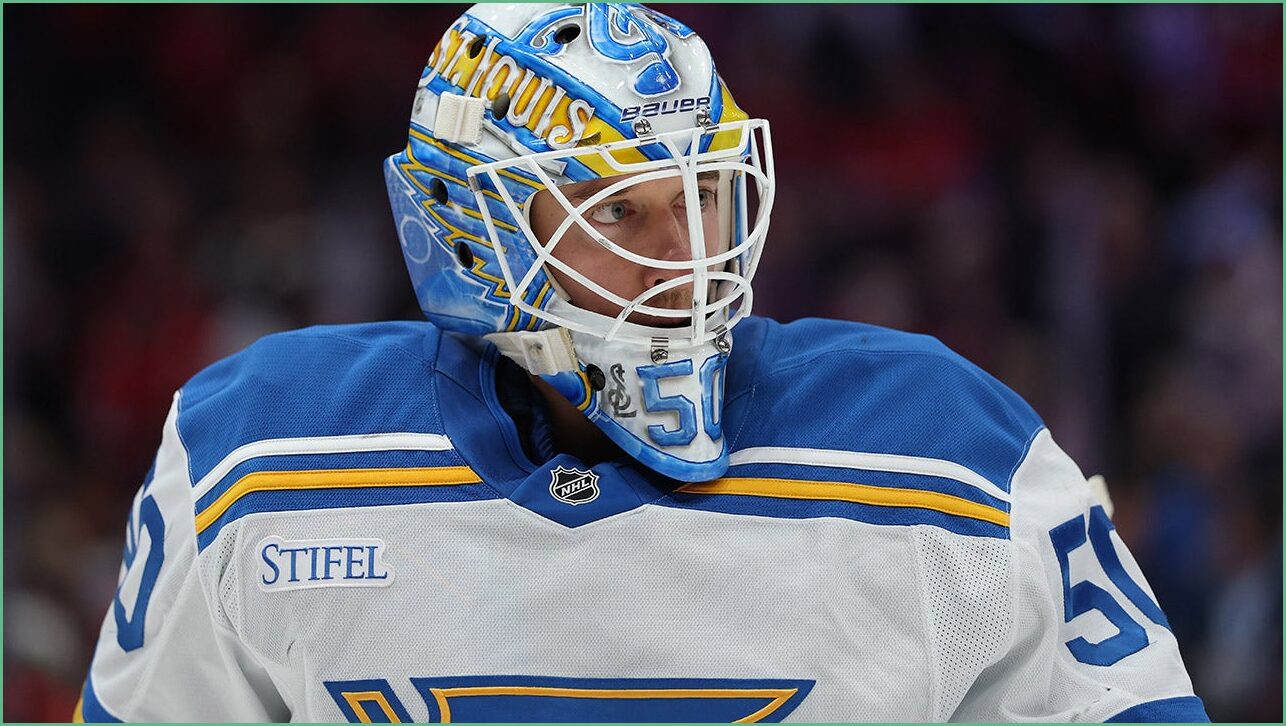
St. Louis Blues netminder Jordan Binnington drew attention when he appeared to try and pocket the puck from Alex Ovechkin’s milestone 900th goal, a moment that sparked immediate reaction from fans and analysts alike. The episode raised questions about sportsmanship, puck protocol and the quirky rituals that surround hockey’s biggest achievements. What followed was a mix of surprise, humor and a spotlight on how these moments get handled inside the rink and out.
The scene unfolded fast and felt almost cinematic. After Ovechkin buried the puck, cameras cut to Binnington reaching for the puck in a way that looked like he intended to keep it, and people in the arena noticed right away. In hockey, milestone pucks are tiny trophies, and the instinct to snag one can lead to awkward, headline-making moments.
Milestone goals are a rare, treasured thing in hockey culture, and players, teams and fans all have expectations about how those pucks are treated. Some clubs hand the puck to the scorer or the scorer’s team, others negotiate who gets it later, and sometimes the arena will collect it and hand it over to the milestone player’s camp. The messiness usually comes from split-second reactions and the fact that nothing in the rulebook can tell a human impulse what to do.
Ovechkin reaching 900 goals is the real story here, not the scramble for a puck. That number places him in elite company and rewrites parts of the scoring record books. Every goal like that carries context — teammates, era, opponents — and the hoopla that follows is part of the modern sports spectacle.
There’s also a practical side to these scraps: milestone pucks have monetary and sentimental value. Some become museum pieces, others end up in private collections or on display in halls of fame. That potential value can tempt the most innocent actions to be read as calculated moves, which is why the optics of Binnington’s reach mattered so much in the moment.
Fans reacted quickly across social feeds and during the broadcast, mixing humor with jeers and a healthy dose of disbelief. Those instant reactions often shape the narrative more than the cold facts do, turning a small, impulsive act into a headline. For players, that can mean a few awkward days in the locker room and a lot of jokes from teammates.
From a rules perspective, there’s no official penalty specifically for taking a milestone puck, but teams and the league prefer order. When disputes happen, they’re typically handled through conversation between clubs or by arena staff who step in to keep things civilized. Officials and team staff often want to avoid drama, because the bigger story should be the achievement itself, not a post-goal scuffle.
Context matters when judging these moments. Goalies like Binnington are in a unique position right after a goal: their focus is on reset, their emotions are raw, and they’re also right where the puck lands. That proximity creates temptation and confusion in equal measure. It’s not an excuse, but it explains why these incidents happen more than once in hockey history.
Public perception will likely cool faster than headlines suggest, as fans remember why they tuned in: to see history. Ovechkin’s milestone overshadows the fuss, and time tends to recenter attention on the player who scored. Still, the image of a goalie reaching for a commemorative puck will stick in highlight reels and feed talk-show segments for a while.
Looking ahead, teams may simply tighten up their post-goal procedures at milestone games to prevent any future crossovers between celebration and controversy. In professional sports, small adjustments often stop repeat incidents without formal punishment, because everyone involved benefits from a little fewer distractions. The game moves fast, the moments are fleeting, and people will always find ways to make them memorable — intentionally or not.
