
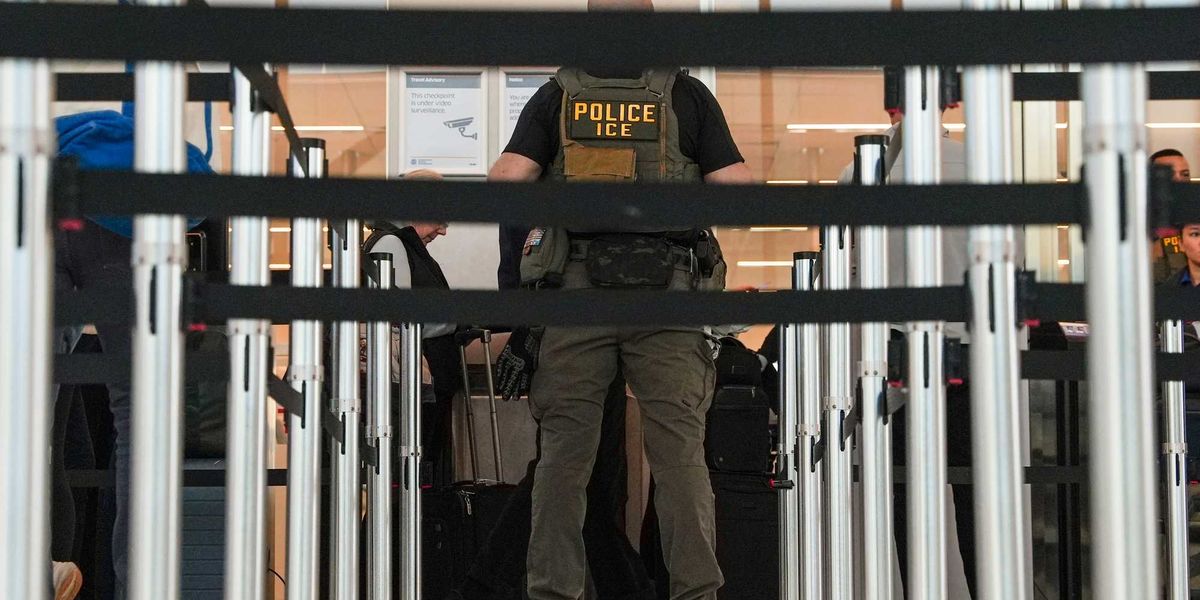
Immigration enforcement is taking a harder edge as federal agencies move away from the loose, open-ended approach that defined the Biden era. New actions from Immigration and Customs Enforcement are designed to push illegal aliens back into contact with authorities and make it clear that ignoring the system is no longer a safe bet. The message is blunt: if someone is in the country illegally, the pressure is building.
One of the big changes is the end of the easy digital pathways that once gave migrants a cleaner route to stay in the shadows. Under the previous setup, tools tied to the Department of Homeland Security and the CBP One app helped shape a much softer border posture. That era is gone, and the new direction is focused on enforcement, accountability, and consequences.
The shift matters because immigration policy is never just about paperwork. It affects whether people believe the border means anything at all. When federal agencies stop handing out benefits, shortcuts, and endless delay, the entire atmosphere changes fast.
ICE actions now appear aimed at tightening the screws on those who entered illegally and then hoped to settle into the system unnoticed. That includes putting more attention on identification, compliance, and the kind of follow-up that makes it harder to hide. For conservatives, this is the common-sense move that should have happened long ago.
During the Biden years, critics argued that the federal government acted like enforcement was optional. The result was a wide-open message to the world that the border could be crossed and the system would eventually bend around the people who crossed it. That kind of approach encouraged more illegal immigration and put enormous strain on communities already dealing with the fallout.
Now the tone is changing, and the change is noticeable. ICE is signaling that being in the country illegally is not a minor issue to be shuffled aside with clever administrative tricks. It is a violation of the law, and the law is beginning to look like it means something again.
This also puts more pressure on migrants who may have assumed they could stay out of sight forever. In reality, that fantasy gets harder to maintain when enforcement steps up and the federal government stops looking the other way. The message is not subtle, and it is not meant to be.
The broader political impact is just as important as the enforcement itself. Voters who have watched the border spiral out of control want action, not speeches, and they want officials who will defend the country’s laws instead of dodging them. Stronger ICE operations speak directly to that demand.
There is also a deeper cultural point here. A nation that cannot enforce its own immigration rules starts teaching people that rules are negotiable if enough pressure is applied. That is a dangerous lesson, and it has consequences far beyond the border.
Republicans have been hammering this issue for years because it cuts to the core of sovereignty, safety, and basic order. A border without enforcement is no border at all, and a system without consequences invites abuse. With ICE moving more aggressively, that old surrender is finally being challenged.
The next phase will likely reveal how far the federal government is willing to go in reversing the damage. For now, the direction is obvious, and the contrast with the previous administration could not be sharper. Illegal aliens who got used to a soft landing are finding out that the ground has changed under their feet.
