
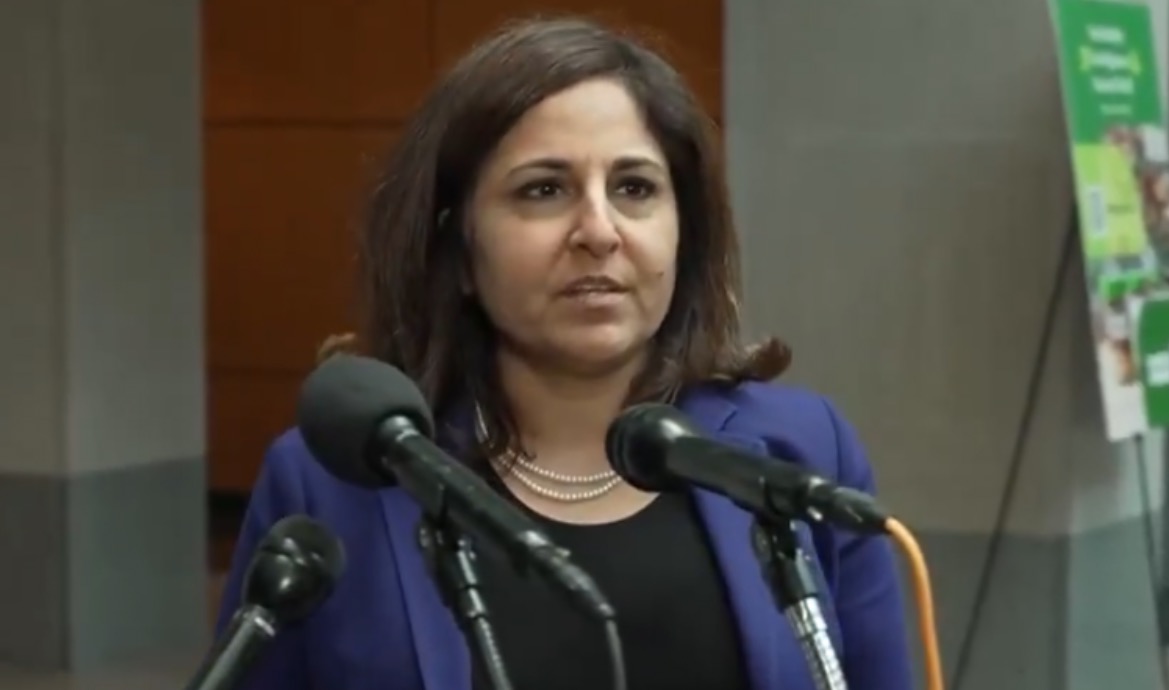
Neera Tanden, a former official in the Biden administration, has found herself in hot water over the use of President Joe Biden’s autopen. During a closed-door testimony with the House Oversight Committee, Tanden admitted she managed Biden’s autopen from October 2021 to May 2023. The controversy centers on whether Tanden had Biden’s direct approval for each use, with her asserting she did, even as accusations swirl.
House Oversight Chairman James Comer has pointed fingers at five Biden aides, alleging a cover-up regarding Biden’s mental decline and the autopen scandal. Neera Tanden, who served as the Director of Domestic Policy Council, was called before the Committee to clarify her role in the matter. She stated her actions were authorized and denied any misuse or manipulation of the autopen.
The Washington Examiner reported on Tanden’s testimony, where she claimed she had the authority to use the autopen, though she denied bypassing Biden’s consent. A press release from the Oversight Project alleges Tanden would send decision memos without clear approval from Biden, raising concerns about transparency. The release suggests that Biden’s advisors may have had undue influence over decisions.
Tanden has maintained that she always received Biden’s sign-off before using the autopen, according to her interview with RealClearPolitics reporter Philip Wegmann. She explained that while a career official executed the autopen signatures, she never authorized its use without Biden’s written consent. Despite this, the Committee was reportedly misled, according to Tanden, about the clarity of the authorization process.
During her interview with Wegmann, Tanden reiterated her adherence to protocol, claiming her process mirrored that of previous administrations. She provided Biden’s signature and detailed notes each time she authorized the autopen. Tanden expressed her disappointment over what she described as misinformation about the autopen’s use.
Tanden defended her actions, emphasizing that every autopen usage had Biden’s explicit approval. She described a formal process that ensured no document was signed without Biden’s consent. Her testimony suggested the Committee’s portrayal of the situation was misleading.
In response to claims of a cover-up regarding Biden’s health, Tanden firmly denied any such allegations. She assured reporters that there was no concealment of Biden’s condition. Tanden’s remarks aimed to dispel rumors and affirm her transparency.
Despite the controversy, Tanden stood by her testimony, highlighting her commitment to maintaining the integrity of the authorization process. She voiced her frustration with the narrative presented by some Committee members. Tanden’s efforts to clarify the situation reflect her desire to set the record straight.
The debate over the autopen’s usage underscores the tension between political factions, with Republicans questioning the oversight and Democrats defending the administration. Tanden’s testimony has become a focal point in the ongoing scrutiny of the Biden administration’s operations. The allegations of a cover-up have only fueled the fire of partisan discourse.
As the investigation continues, Tanden’s statements remain a critical element in understanding the autopen scandal. Her insistence on following established protocols challenges the claims of those accusing her of wrongdoing. The outcome of this debate may have broader implications for the administration.
Tanden’s handling of the situation has been scrutinized by both political opponents and the media. Her efforts to clarify her actions highlight the complexities of navigating high-stakes political environments. The controversy surrounding the autopen is emblematic of the broader challenges faced by the administration.
The role of the autopen in presidential operations has become a topic of significant discussion. Tanden’s testimony sheds light on the procedures and protocols involved in using this tool. Her experience illustrates the importance of maintaining transparency in government actions.
Tanden’s assertions of transparency contrast with the accusations of deception leveled by some Committee members. Her defense underscores the challenges of ensuring clear communication within the administration. The ongoing debate highlights the importance of accountability in political processes.
The implications of Tanden’s testimony extend beyond the immediate controversy, touching on broader themes of governance and oversight. Her remarks provide insight into the inner workings of the administration. The resolution of this issue may influence future discussions on presidential authority.
Amidst the political wrangling, Tanden’s position remains firm, emphasizing her commitment to protocol. Her testimony serves as a reminder of the complexities inherent in political leadership. The unfolding situation continues to capture public attention.
As observers watch the developments unfold, Tanden’s role in the autopen scandal remains under the spotlight. Her efforts to clarify the situation reflect a determination to uphold her professional integrity. The resolution of this controversy may have lasting effects on the political landscape.
