
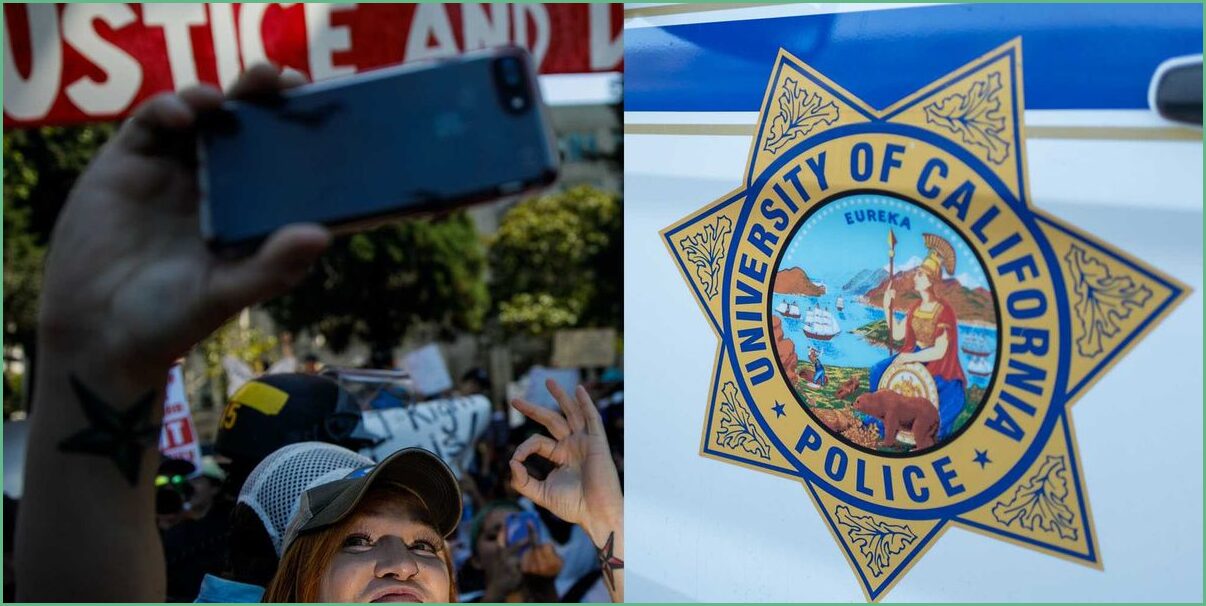
Students near the University of California, Berkeley reported being shot at with what appeared to be a BB gun while assailants yelled racial slurs, sparking alarm on campus and beyond.
University police confirmed the incident and asked the public for information, but they did not reveal the specific slurs used, descriptions of suspects, or the victims’ racial identities.
The department is treating the episode as an aggravated assault and a potential hate crime, and investigators say they are following leads and seeking tips from anyone with relevant information.
There was a delay between the reported event and the campus alert; students received a notification through the university system four days after police were notified.
That lag matters for public safety because timely warnings can help prevent follow-up attacks and give students actionable information about threats near campus.
Still, the basic facts remain scarce, and when facts are thin, speculation fills the vacuum—and that is where this story took a political turn very quickly.
Berkeley professor Pheng Cheah wasted no time assigning blame beyond the scene of the crime, telling a local TV station: “It’s a disturbing world these days. There’s so much hate with the Trump regime.”
The professor also said, “We get notifications of disturbances, but I think it’s rarer to get a notification about a hate crime,” a line he used to underline his point about the national climate.
Those remarks are the kind of immediate political framing that can inflame tensions on campus even as police are still piecing together what happened.
From a conservative viewpoint, rushing to politicize a violent attack does a disservice to victims and to the investigative process; leaders should demand facts first and finger-pointing second.
Students themselves described the episode with palpable fear and frustration, including Sophie Kwan, who said, “In today’s, like, climate, you can’t really take anything for granted. Like, even on a liberal campus, like, these things can still happen.”
Her words are a reminder that safety concerns cut across political identity and that campus ideology does not immunize anyone from crime or intimidation.
Local officials also responded with statements condemning the attack, and Berkeley City Councilwoman Cecilia Lunaparra said, “I’m outraged by the recent hate crime and assault in District 7,” while promising solidarity with marginalized residents.
Lunaparra is a Mexican-American woman who identifies as queer, and her swift denunciation reflects the emotional weight such incidents carry in a diverse community.
Advocacy groups stepped in with public condemnations as well, and a national civil rights organization issued a formal statement saying, “We are deeply disturbed by this violent, reportedly racist attack and stand in solidarity with the victims. No one should have to fear for their safety while simply walking in public. Racist hate has no place in Berkeley or anywhere in our state. As we continue to see a rise in hate crimes across the country, it is more important than ever that communities speak out clearly and forcefully against bigotry and violence.”
These official and organizational responses are predictable and understandable, but criticism is warranted when political actors reach for broad explanations before the evidence is in.
Immediate politicization risks turning an active criminal investigation into a public relations battle, which can hamper cooperation, scare witnesses, and obscure responsibility where it actually lies.
For a campus known for its activist culture, the instinct to connect local violence to national politics is strong, yet the first priority must remain a clear, fact-based inquiry and protection for students.
Professor Cheah’s academic profile, which notes interests in feminism, postcolonial theory, and anglophone postcolonial literatures, explains his interpretive lens but does not substitute for police work or evidence.
That profile detail helps explain why he framed the event the way he did, but it should not be used as proof that national policy is to blame for individual criminal acts.
Republicans and conservatives demand accountability and order, not opportunistic politicization; we want safe campuses and thorough, impartial investigations that find perpetrators and deliver justice.
There is also a larger cultural point: when institutions and public figures reflexively assign blame to political opponents, they erode trust in civic processes and make it harder to build unified responses to genuine threats.
Until law enforcement releases more concrete information, responsible voices across the political spectrum should push for facts, support the investigation, and call for practical steps to improve campus safety.
Berkeley’s community deserves transparency, protection, and leaders who prioritize finding the truth over scoring political points while students remain afraid and answers remain scarce.
Police continue to ask anyone with information to come forward, and the hope is that evidence, witnesses, or video will clarify what happened and who is responsible so justice can follow.
In the meantime, this episode is a test of whether Berkeley’s leaders will focus on real solutions or allow immediate political narratives to drown out the facts and delay accountability.
