
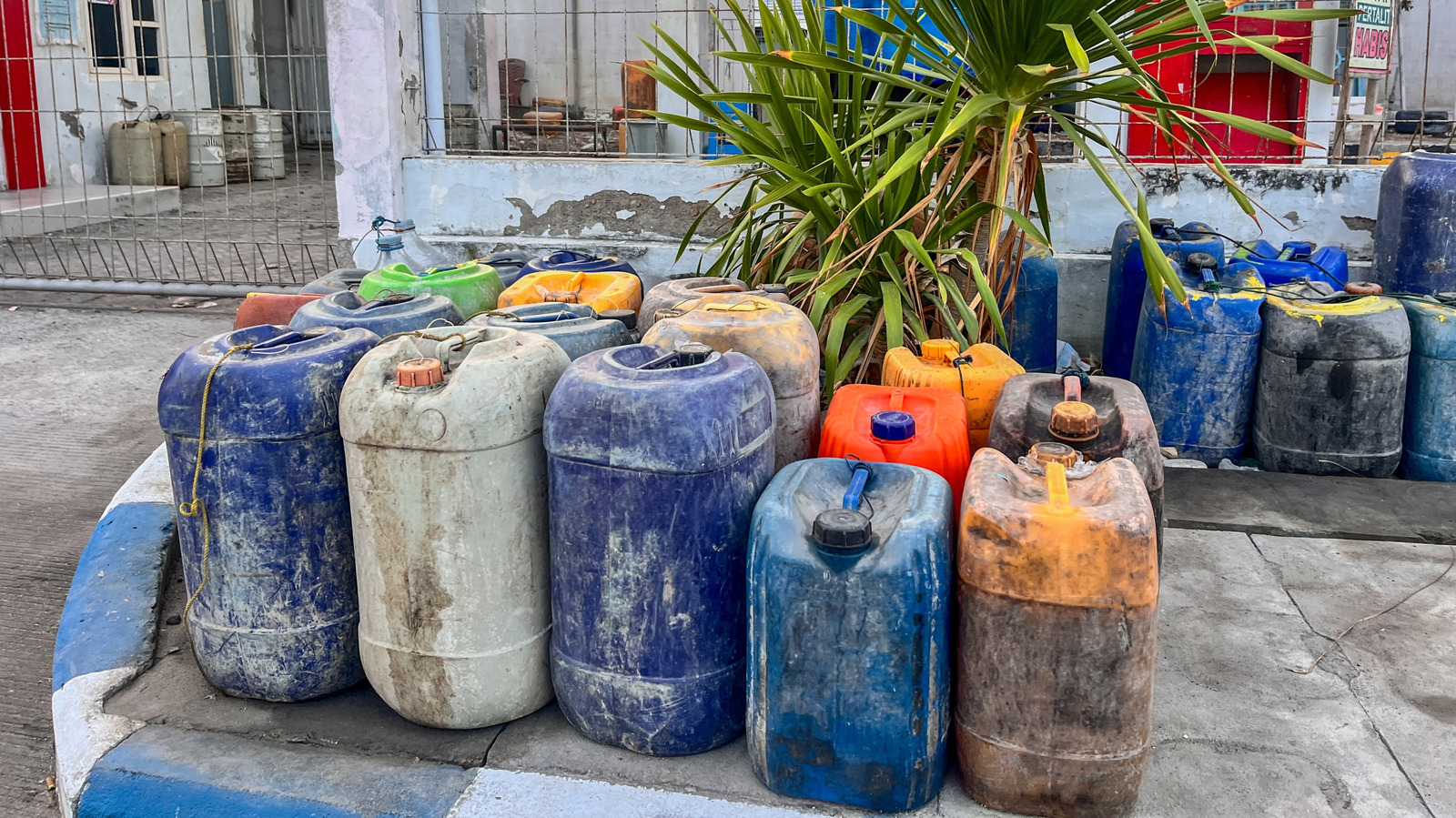
Storing gasoline safely matters more than most people think, and this piece walks through the real hazards, the truly bad spots, and the practical ways to reduce risk. You’ll get clear reasons why common locations are risky, what can happen if vapors or heat meet a spark, and how to choose safer alternatives. The goal is to help you handle fuel for lawn mowers or generators without turning your home into an accident waiting to happen.
First, avoid keeping gasoline inside living spaces. Basements, garages attached to the house, and utility rooms concentrate vapors that can seep through walls and vents, making ignition risk much higher. Vapors are heavier than air and can pool in low spots, so the danger is real even if the can looks calm.
An attached garage can feel convenient, but it is one of the worst places to store gasoline. Cars, furnaces, water heaters, and pilot lights create multiple potential ignition sources that aren’t always obvious. Storing fuel near those devices multiplies the chance that a stray spark or hot surface will meet gasoline vapor.
Keeping gas in a home basement or cellar is equally risky. Furnaces, boilers, and electrical panels can generate heat or sparks that ignite vapors, and basements often have poor ventilation. Even a small leak in a container can produce enough fumes to cause a fire or explosion when mixed with air.
The trunk of a car or vehicle interior is a bad choice for storing fuel. Temperatures inside vehicles rise quickly, especially in direct sun, and heat increases vapor pressure inside a container, raising the odds of a leak or rupture. Transporting fuel in a vehicle also risks spills during sudden stops or accidents.
Storing gasoline near hot equipment or open flames is an obvious and dangerous mistake. That includes lawn mower engines, grills, and any appliance with a pilot light or heating element. Heat accelerates vapor formation and weakens containers over time, making leaks more likely.
Small, improvised containers are a major problem people overlook. Unapproved bottles, jugs, or metal cans not designed for fuel can corrode, warp, or allow vapors to escape. Using only approved safety cans with proper seals and vents greatly reduces leakage and vapor release.
>
What are the worst places to store gasoline?
Storing fuel in high-traffic storage areas where children or pets can reach it is another serious error. Curious hands or paws can tip containers, break seals, or bring the fuel close to ignition sources like batteries or electrical cords. Secure, locked storage far from living spaces minimizes that risk.
Outdoor sheds may seem safe but can be problematic if they get hot, lack ventilation, or are filled with flammable materials. Sun exposure and poor airflow raise interior temperatures and concentrate vapors, turning a shed into a hazardous chamber. If you must store fuel outdoors, choose a cool, shaded, well-ventilated spot away from combustibles.
Boat fuel storage and other marine situations require special caution because vapors can collect in bilges and enclosed compartments. Marine-grade containers and strict adherence to ventilation rules are essential to prevent explosions and preserve crew safety. Fuel on watercraft also needs regular inspection for leaks and proper securing to avoid spills overboard.
How long gasoline lasts matters for safety and equipment health. Stale gasoline degrades, forms varnish, and clogs carburetors, but old fuel can also separate and become more volatile in unpredictable ways. Using fuel stabilizers and rotating supplies helps maintain quality and reduces the temptation to keep questionable cans around indefinitely.
Labeling, sealing, and rotation are three simple, practical habits that make storing gasoline safer. Mark each container with its purchase or fill date, keep caps tight, and use older fuel first while replacing what sits beyond the recommended storage window. Regular checks for dents, bulges, or rust let you catch problems before they become emergencies.
Finally, always follow local rules and manufacturer guidance when storing or transporting gasoline. Limits on quantities, approved container types, and approved storage locations exist for a reason and usually reflect real-world risks. Treating gasoline with respect and following basic safety steps keeps the yard, home, and family out of harm’s way.
