
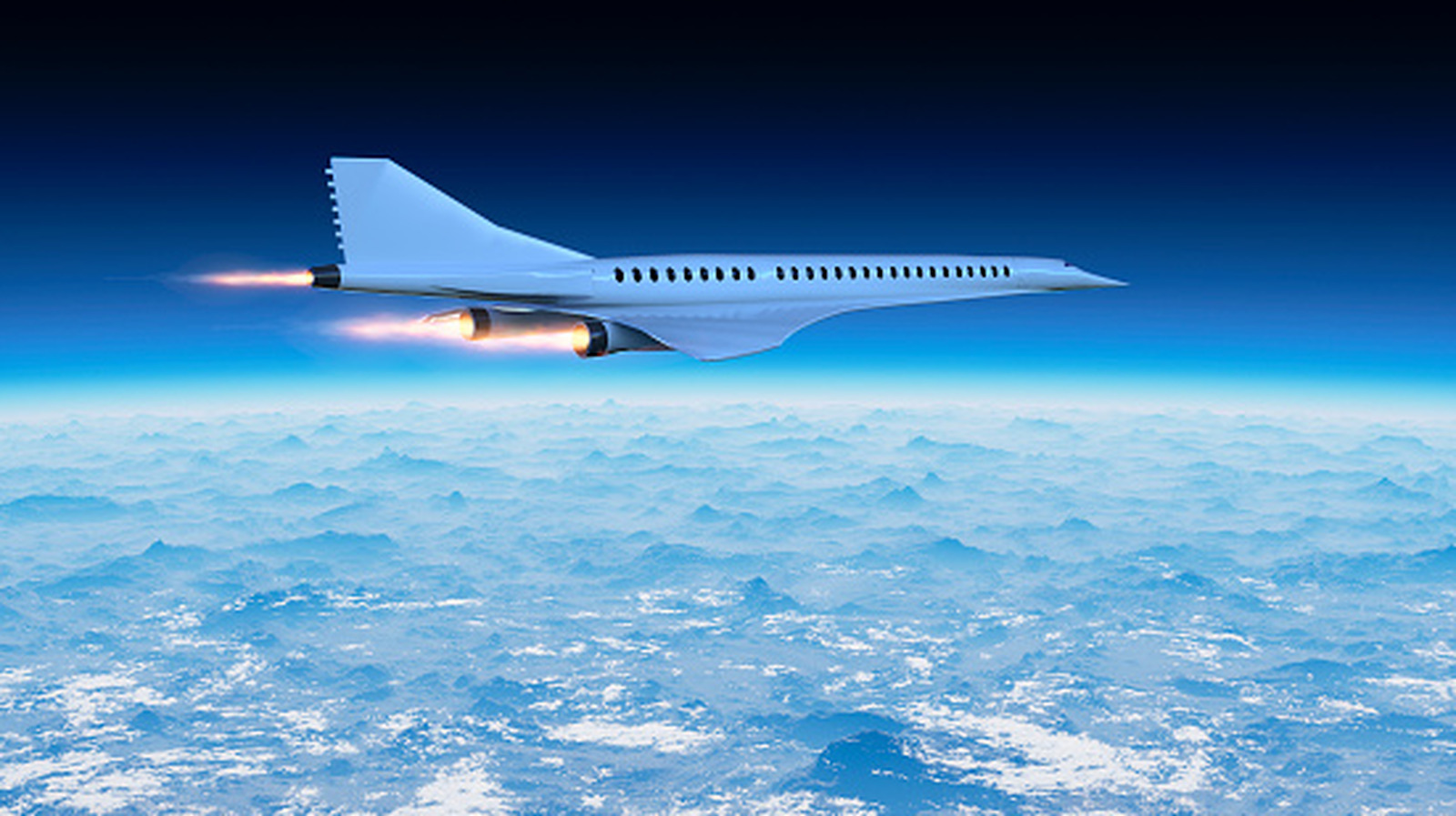
A new wave of high-speed passenger aircraft is emerging that aims to revive the thrill of Concorde-era travel with modern safety, efficiency, and practicality. This article walks through the technologies powering that push, the design and materials challenges engineers face, the trade-offs around noise and emissions, and what a realistic rollout might look like for airlines and travelers.
Engineers are chasing speeds well above today’s jets by refining propulsion systems that were once the stuff of experiments. Hybrid turbojet-ramjet concepts and scramjet research promise sustained high-Mach cruise rather than short bursts, which is a big difference from past testbeds. These systems demand fuel handling, cooling, and stability solutions that are only now becoming feasible with new control electronics and simulation tools.
Material science is the other pillar making this possible, with advanced composites and ceramic matrix materials handling the heat and stress of sustained supersonic flight. Modern carbon-fiber composites combined with high-temperature coatings let designers push airframes into regimes that would have wrecked older alloys. The result is lighter, stronger structures that tolerate higher surface temperatures without a big weight penalty.
Noise and sonic boom reduction are not optional if these aircraft are to fly over land at speed. Designers are experimenting with shaping, inlet management, and flight profiles to soften booms into manageable thumps or to confine them. Regulatory hurdles remain, but the progress in boom shaping and quiet-flight modes is encouraging for future overland routes.
Environmental questions are front and center because faster flight can mean higher fuel burn per seat if not carefully managed. Developers are pairing aerodynamic efficiency with sustainable aviation fuels and exploring hybrid-electric assist for takeoff and climb to cut lifecycle emissions. If operators can scale fuels and optimize flight profiles, the net climate hit could be smaller than critics fear, though it will still require careful policy and market choices.
From an airline perspective, the promise is simple: slash long-haul times and sell a premium experience that travelers will pay for. But economics are tricky; higher speeds push development and maintenance costs up, so aircraft must either carry premium fares or achieve fleet commonality that spreads costs. Early services will likely target business-heavy routes where time savings justify higher prices, while mass-market adoption would follow only after manufacturing and fuel economics improve.
Safety and certification are non-negotiable and will govern how quickly these designs move from prototypes to passenger service. Extensive flight testing, redundant systems, and new inspection regimes for hot-section components are part of the roadmap. Regulators will demand hard data on structural life, thermal fatigue, and emergency procedures before any routine passenger operations are approved.
The practical timeline looks gradual: niche, premium services first, followed by broader adoption if the numbers line up. Airports and air traffic systems will adapt with new operational procedures and noise mitigation plans. For travelers, that means the chance to cut transoceanic flights by hours rather than minutes, but only after years of testing, certification, and early adopter services that prove the concept.
