
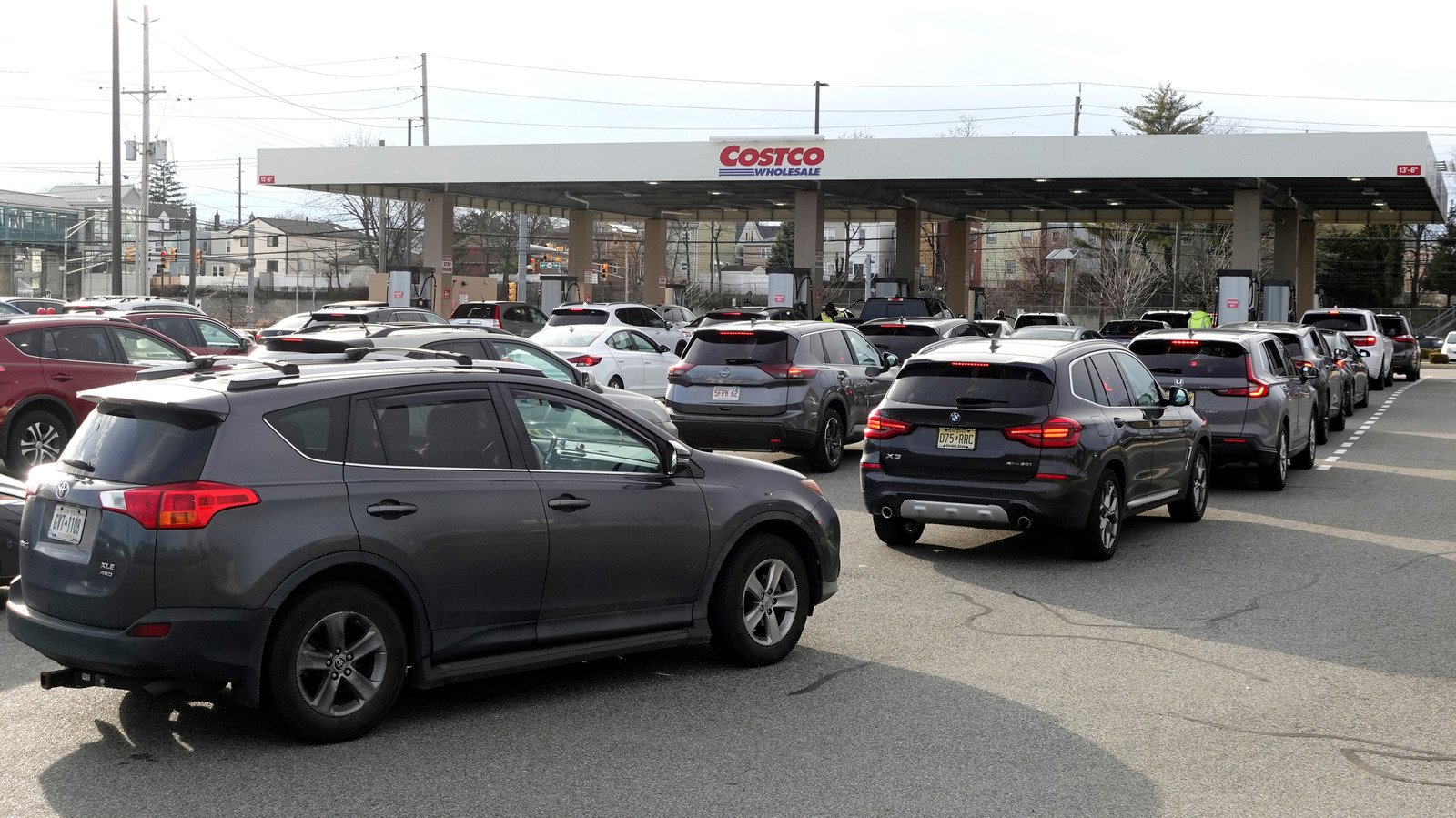
Automakers are urging a rethink of how we pay for roads, suggesting the federal gas tax be retired in favor of a system that fits a future with many electric and hybrid vehicles, and this article lays out the reasons, options, and practical challenges of such a shift.
The core complaint is simple: gas tax revenue is shrinking as cars sip less fuel or run on electricity, and Congress is left chasing a funding gap for highways and bridges. Automakers argue that fees tied to fuel no longer capture the full picture of road use in a mixed fleet. That creates pressure to find a fairer, more stable way to pay for infrastructure.
One obvious replacement is a vehicle miles traveled fee, or VMT, which charges drivers by how many miles they put on public roads. Supporters say it matches payment to actual road use and keeps EV owners contributing their share. Critics immediately raise worries about tracking, privacy, and how the miles are measured and enforced.
Another option is to tax electricity used to charge vehicles for highway work, treating electric miles like fuel miles in principle. That approach tries to preserve the link between energy consumption and road funding without direct mileage monitoring. It also raises technical hurdles, like metering home charging and ensuring fairness for drivers who mostly charge at public stations.
States could tweak registration fees and annual assessments to make up the difference, increasing flat fees on EVs and hybrids so that every vehicle contributes to maintenance. That is simple to administer but can feel regressive, since a flat fee hits low mileage drivers and rural residents harder. Policymakers need to balance administrative ease against perceptions of fairness and real economic impact.
Tolling and congestion pricing are another route, especially in urban centers where wear and congestion costs are highest. Electronic tolling can be targeted and dynamic, charging more during peak demand to smooth traffic flow. Still, expanding tolls widely would shift policy toward more transactional travel and could be politically unpopular outside big cities.
There are equity concerns at every turn, and they cannot be ignored. Rural drivers tend to travel longer distances and would be disproportionately affected by per-mile charges, while low-income households could struggle with higher fixed fees. Practical solutions could include discounts, exemptions, or targeted rebates, but designing those fairly adds complexity.
Privacy is a front-line concern that fuels resistance to VMT systems that rely on GPS tracking. People do not want the government or private vendors logging their movements and building profiles. Neutral alternatives include odometer checks, simple mileage reporting, or anonymized onboard meters that record distance without location data.
Technology choices shape both cost and public trust. GPS-based systems offer accuracy and the ability to vary charges by road type, but they demand strong data protections. Odometer reads are cheaper and private, but they cannot distinguish between highway and local miles for differential pricing models.
Transition planning matters a lot, because suddenly scrapping the gas tax would blow a fiscal hole that must be bridged during rollout. A phased approach with pilots and regional testing gives lawmakers data and time to adjust. That also helps avoid major revenue shocks to states that rely heavily on gas tax dollars for routine maintenance.
Automakers point out that their own sales trends make the issue urgent, since EV adoption is accelerating faster than many budget planners expected. Yet technological change does not remove the need for durable roads and reliable bridges. Finding a funding mechanism that keeps infrastructure solvent while respecting fairness and privacy is the real challenge.
Implementation will require new administrative systems, vendor contracts, and clear oversight. States will need guidance and probably federal incentives to run pilots and harmonize rules. Policymakers should also coordinate with utilities and private charging networks to avoid gaps and double taxation.
There is also a political dimension: voters tend to respond badly to new fees, even when the need is obvious and the alternative is deteriorating roads. Clear communication about what funds pay for and how new charges will be used can ease resistance. Packaging changes with visible improvements to local bridges and highways could build public trust.
Cost control matters, because high administrative overhead can eat into the revenue a new system is supposed to raise. Simple mechanisms with low operational cost are likely to outperform fancy systems that demand expensive infrastructure. Efficiency and transparency should be primary design goals for any replacement plan.
Finally, hybrid approaches may offer the best path forward, combining modest per-mile elements with targeted registration adjustments and localized tolling. Blending methods allows policymakers to tailor solutions to regional travel patterns and equity needs. The transition will require trade offs, but the goal is clear: sustainable funding that reflects how people actually travel today and tomorrow.
