
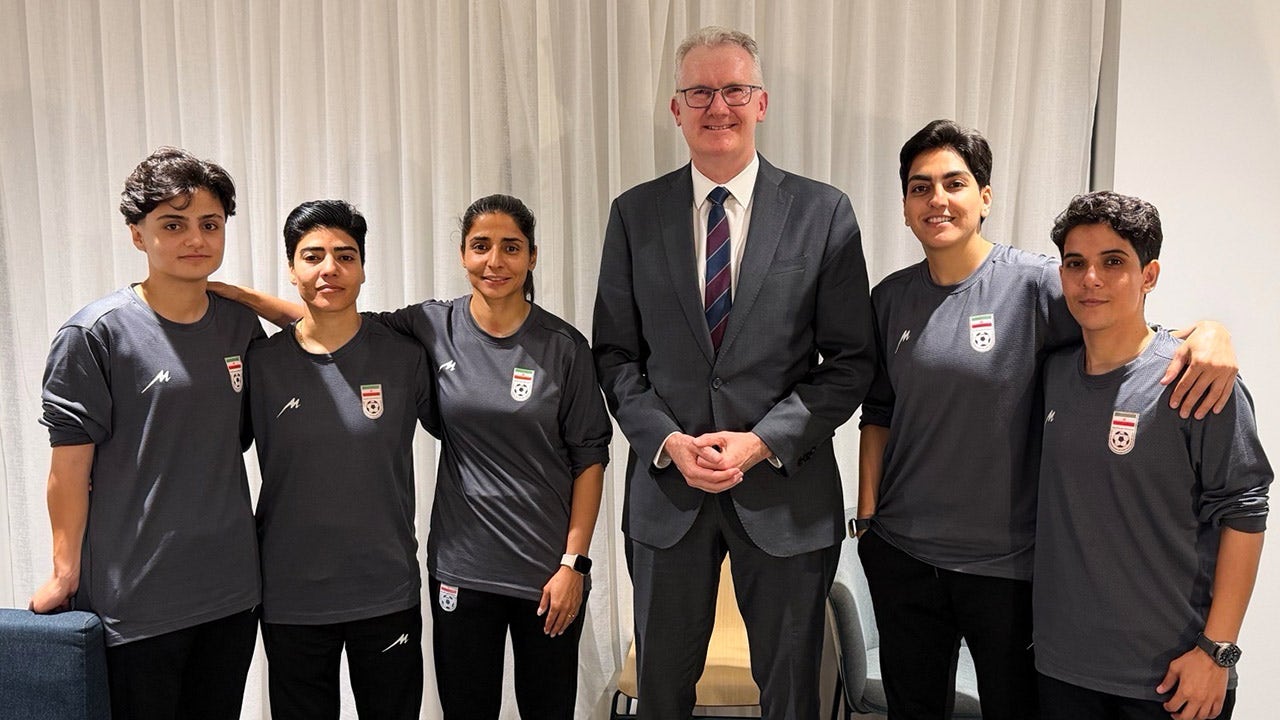
Australian officials have quietly given asylum to at least five Iranian women who played soccer for their national team, a move that followed public pressure from President Donald Trump. This article walks through the immediate facts, the political backdrop, and why this matters for athletes and human rights. It looks at what the decision says about international pressure, the Iranian regime, and the role of firm leadership in protecting persecuted people.
The players at the center of this story had been living under constant threat at home because of Iran’s strict rules on women and public behavior. They used their visibility to demand change, and that visibility made them targets of harassment and intimidation. Seeking safety, they turned to foreign governments and human rights advocates for refuge from a regime that tolerates little dissent.
Australia’s decision to grant asylum to these athletes came after renewed attention from the U.S. president, who publicly called on allies to act. That intervention signaled a willingness to push back diplomatically and morally against oppressive regimes. For Republican readers, this is a straightforward example of how decisive pressure can produce real protections for people who risk everything to stand up for freedom.
The Iranian government has long treated sportswomen as a political problem when they refuse to conform to the state’s restrictions. These athletes became symbols rather than just players, and that status brought heavy consequences from security forces and cultural hardliners. Granting asylum acknowledges that their persecution was politically motivated and that international refuge can be a lifeline for public figures who refuse to be silenced.
This action also illustrates a broader strategic point: allies who step up when pressure is applied can turn moral outrage into concrete rescue. The Australian move shows how nations can coordinate to offer safe harbor when atrocities or targeted repression occur. It reinforces the idea that international influence matters, especially when driven by countries willing to hold bad actors accountable.
There are practical challenges ahead for the asylum recipients, including rebuilding careers and integrating into a new society while processing trauma. Athletes who leave authoritarian countries face paperwork, cultural barriers, and the necessity of reestablishing professional footing. Skilled immigration services and community support will be critical if these women are to thrive beyond safety and regain the chance to compete without fear.
The Iranian regime will likely use this as propaganda to portray its critics as traitors or as victims of foreign meddling, but that reaction doesn’t erase the facts on the ground. Persecution of women in public life remains a core problem for Tehran, and hiding behind nationalist rhetoric won’t stop individuals from fleeing real danger. International asylum is a blunt remedy, but sometimes blunt remedies are what people need to survive.
For conservatives, this episode reinforces a simple principle: standing up for human rights is not just noble, it’s strategic. Defending people targeted by authoritarian regimes strengthens global norms and sends a message that free nations will not look the other way. It also underlines that political will, when applied, can save lives and give persecuted people a path to rebuild.
Looking forward, these players and others in similar positions will need sustained attention beyond headlines, including access to coaching, competition, and legal support. Governments that offer asylum should plan for long-term integration so that rescue isn’t merely temporary relief. If that work is done, asylum can be the start of a new life, and a clear rebuke to regimes that try to crush dissent through fear.
