
A veteran astronaut returned from a trip around the moon and found himself unexpectedly overwhelmed, seeking a chaplain and breaking down when confronted with a religious symbol. This piece explores that moment, the quiet power of personal faith in extreme circumstances, and what it reveals about how human beings process awe. The focus stays on the incident and its emotional ripple effects without straying into speculation or praise. The goal is to capture the scene plainly and let the human detail speak for itself.
The mission itself was a technical triumph, but the moment that landed in conversations afterward was deeply human. After touching back down on familiar soil, the astronaut made a private visit to a chaplain, a visit that clearly mattered more than any press release could describe. That alone is worth noting: even trained professionals face experiences that require more than a debriefing sheet. People tend to expect composure, but real life rarely follows the script.
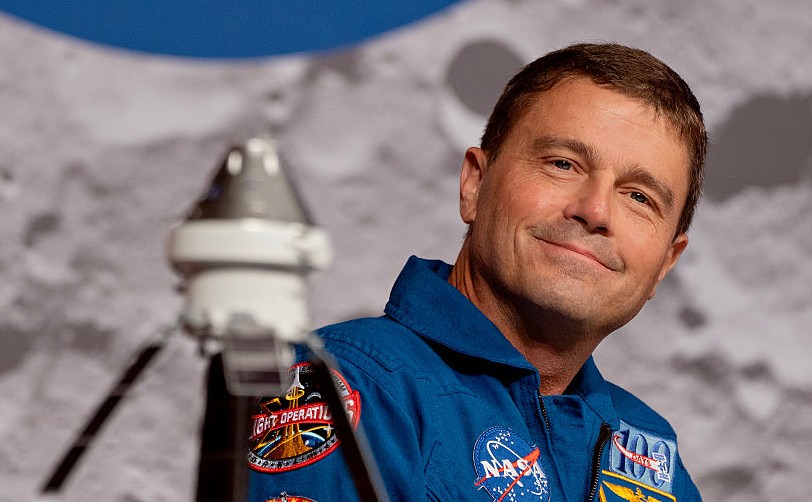
‘There was just no other avenue for me to explain anything,’ Astronaut Reid Wiseman said after visiting with a chaplain upon returning from the mission around the moon. Those words cut straight to the center of what happened in that chapel. It was not a staged statement and it did not come wrapped in rhetoric; it was honest and plain in a way that made the moment stick.
The chaplain’s role in this scene matters because it exists to meet people where they are, especially after intense experiences. Chaplains offer a human presence that is neither a medical intervention nor a media event. In isolated or overwhelming circumstances, a short conversation with someone trained to listen can be the difference between carrying something alone and sharing the burden.
There is also the symbolic force of familiar religious imagery to consider. For someone who has just seen the Earth from a distance and felt the scale of the cosmos, a simple symbol that connects to memory, community, or meaning can trigger an unexpectedly strong reaction. It does not automatically label a person as deeply religious or not; often it simply shows how symbols act like anchors for memory and feeling.
Reactions from the public highlighted a mix of curiosity and comfort more than controversy. People were drawn to the rawness of the moment, to the idea that even those trained to operate in extremes are moved by ordinary human touchstones. That response points to a broader appetite for authenticity: we notice when someone drops the mask and reveals how they actually feel after a life-changing event.
Beyond the immediate scene, the episode invites questions about how we support crews after missions that change their perspective on life. NASA and other agencies think a lot about physical rehab and technical readouts, but emotional and spiritual aftercare is part of the picture too. A brief visit to a chaplain is a small, practical way to acknowledge that inner work is often part of returning to daily life.
Moments like this one keep the public conversation focused on the human side of exploration rather than only the mechanical feats. It’s a reminder that space travel brings back more than data; it brings back feelings that need translation. What happens next, and how institutions respond to those needs, is a question worth watching.
