
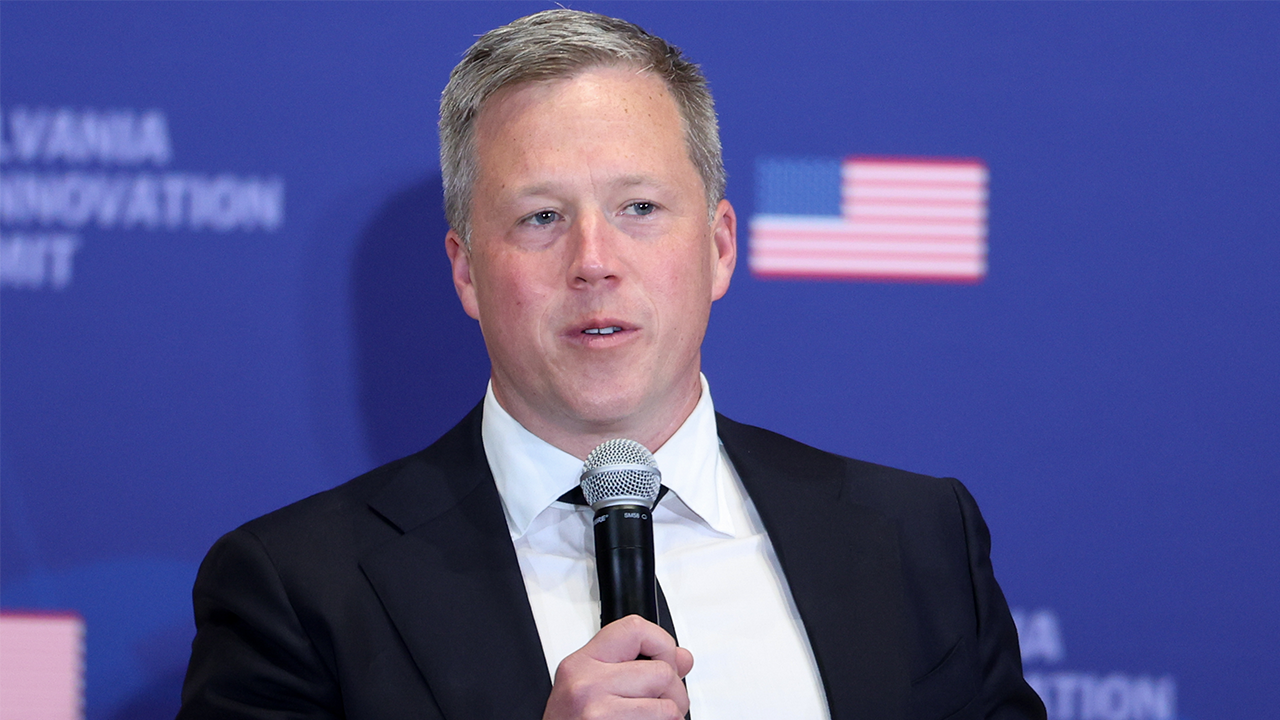
The Army’s civilian leadership is in motion again after Dan Driscoll submitted his resignation to President Donald Trump, with the White House still sitting on the decision. Behind the headline is a bigger story about friction inside the Pentagon, especially around Army transformation, readiness, and a growing clash over who gets to steer the service’s future.
Driscoll’s resignation is pending, and that alone keeps the situation in a strange holding pattern. The move signals real strain, but it does not yet close the door on a last-minute reversal or a quiet conversation that changes the script.
According to a source familiar with the matter, Driscoll had raised concerns about how the Army has been handling its modernization push. That includes worries about readiness, leadership changes, and whether key decisions were helping or hurting the broader effort to keep the force sharp and prepared.
The sharpest complaint centered on Secretary of War Pete Hegseth, whom the source said had blocked parts of that effort. The issue, in plain terms, was not just policy disagreement, but a belief that firing senior generals cut against the stability needed to keep transformation on track.
That tension did not appear overnight. It reportedly grew as several senior Army leaders were removed, including Army Chief of Staff Gen. Randy George, a move that landed hard inside the service and brought a more personal edge to the conflict.
Driscoll spoke about George’s departure during an April 16 House Appropriations subcommittee hearing, and the moment carried real emotion. He said he was in North Carolina on vacation with his family when he learned George had been asked to resign, and he drove straight to the general’s home.
“We walked right in, and we all gave him a hug,” Driscoll said. “There is no person that has more respect for General George and his 42 years of service, his Purple Heart, his wife, Patty, their grandkids, their kids. I adore them, and he was an amazing, transformational leader.”
That kind of praise makes the split feel even more jarring. Driscoll also said, “The design of our system is that they get to pick the leaders that they want, and we execute on those orders.”
The personnel shake-up has not been isolated to one officer or one moment. It has played into a broader sense that the Pentagon is being aggressively reshaped, with Hegseth pushing a tougher line on leadership and Driscoll sounding more cautious about the pace and cost of those moves.
Driscoll is also expected to leave the Pentagon in the coming days, which gives the situation a ticking-clock feel. That kind of exit can leave a vacuum fast, especially when the dispute involves both the top of the Army and the people who set the tone for the whole defense structure.
His background adds another layer to the story. Driscoll is a close ally of Vice President JD Vance, and the two attended Yale Law School after serving in the military, a connection that helped place Driscoll in a uniquely influential spot.
Even with the resignation drama unfolding, Driscoll’s time as Army secretary was not just about conflict. He worked with Silicon Valley companies to expand the Army’s drone capabilities, a reminder that the job has been as much about pushing new technology as it has been about managing institutional friction.
That mix of modernization, leadership turnover, and hard-edged internal politics has left the Army in a tense stretch. For now, the resignation sits unresolved, the Pentagon keeps moving, and the pressure around who controls the next phase of change is still very much alive.
