
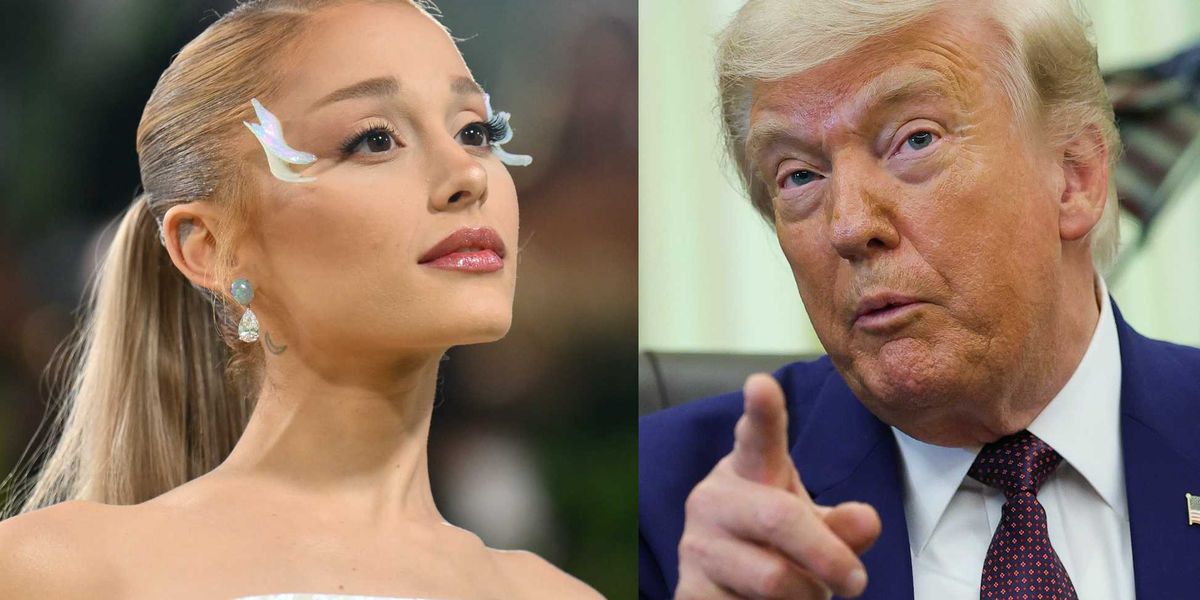
The White House posted a short video using a pop star’s music to highlight Immigration and Customs Enforcement, the singer publicly objected, the sound was removed, and the exchange ignited predictable celebrity outrage and a firm White House rebuttal defending law enforcement and public safety.
The White House shared a video that used a popular artist’s song to promote Immigration and Customs Enforcement, and Ariana Grande responded with a sharp public rebuke. Her comment called the enforcement actions “barbaric, inhumane, heinous nonsense” and expressly demanded her music not be used in that context. The clip later reported “This sound isn’t available” after the platform removed the track from the post. The back-and-forth laid bare a larger cultural split about priorities and how public figures choose to speak for their audiences.
Grande’s line was blunt: “Please do not ever use my music in relation to this barbaric, inhumane, heinous nonsense. f**k ice,” and it landed exactly where she meant it to. Celebrity statements like this are not harmless fluff. They shape opinions for millions, and when those declarations push one-sided narratives about immigration enforcement, they risk undermining officers who work to protect neighborhoods and victims of crime.
From a conservative view, a functioning immigration system and the agencies that enforce it matter. That doesn’t mean cruelty should be ignored, but it does mean policies and enforcement should be discussed with more nuance than performative outrage. The White House response called attention to victims and public safety, saying “We’ll say this one last time: What’s actually barbaric, inhumane, and heinous are the criminal illegal aliens who have injured and murdered innocent American citizens,” and that line reflects a Republican emphasis on law and order and the need to protect citizens first.
People on the left will frame this as a culture war moment where art and politics collide, but the underlying issue is real: how do we keep communities safe while handling immigration humanely? Republicans argue enforcement is a basic requirement for safety and sovereignty, and that critics who reduce entire agencies to a single slogan ignore victims and the rule of law. It’s a debate about tradeoffs and accountability, not just headlines and viral comments.
The video and the subsequent removal of the sound on the platform also highlight how quickly social media can become a battleground. Platforms make editorial decisions that shape what millions see, and those choices have consequences for public perception. When an artist objects and a platform complies, the action signals cultural power at work, and conservatives see that as another example of institutions leaning one way in public discourse.
High-profile solidarity moments followed, with some celebrities wearing pins and making pointed remarks at public events. “This is for her,” actor Mark Ruffalo said about a pin tied to protests over enforcement actions, and he added, “I love this country, and what I’m seeing here happening is not America. It’s just not.” Those statements resonate with fans, but they also simplify a complex federal mission into a morality play that leaves out context like crime statistics, legal processes, and victims’ voices.
For many conservatives, the real story isn’t the viral clip or the celebrity hot takes. It’s that an executive branch account used music to explain a federal program and a public figure objected, prompting a swift platform reaction and a stark political rebuttal. The episode fast-tracked a debate conservatives have been having for years about immigration policy, enforcement efficacy, and the cultural power of entertainers who increasingly act as political influencers.
That influence matters, but so does accountability. If artists want to protest policy, they should be prepared to face pushback about the costs and consequences of the changes they advocate. If the administration wants to defend enforcement, it should speak plainly about the threats citizens face and how policies protect communities. Both sides can shout, but real policy outcomes require facts, votes, and enforcement, not just viral moments.
Platforms, politicians, and performers will keep clashing over how the story is told, and this episode is just another reminder that social media has become the theater for those fights. The music was gone and the message landed; the larger conversation about safety, sovereignty, and celebrity activism is far from over.
