
Your Apple Watch can be a vital tool when someone goes missing, offering timestamps, location breadcrumbs, and health clues that help investigators piece together what happened. This article explains how the watch gathers and stores useful data, how that data can guide searches, what people should enable before an emergency, and the legal and practical limits investigators face when using wearable data. Read on to learn concrete ways the Apple Watch can narrow search areas and build timelines without any technical fluff.
The sensors inside an Apple Watch collect a surprising amount of context automatically, even when you are not thinking about them. GPS pings, accelerometer readings, heartbeat changes, and ambient sound picked up by the microphone can all create a trail of evidence. Investigators treat those signals like breadcrumbs; each one can confirm a last known position or suggest a sudden change in condition that needs further checking.
Location data is the clearest and most useful output for search teams, especially when the watch is paired to a cellular plan or a nearby iPhone. Even when precise GPS is unavailable, Bluetooth handoffs and Wi-Fi associations can place a watch within a building or next to a known Wi-Fi hotspot. That proximity info can reduce search zones dramatically and point rescue teams toward the right neighborhood or structure.
Motion and fall detection provide another layer of actionable information that can raise urgency or change tactics in a search. If fall detection registers a hard impact followed by lack of movement, responders may move from a standard missing-person check into a welfare or rescue operation. Heart rate spikes or unusual rhythms recorded before a disappearance can also alert investigators to medical events that might explain sudden stops or detours.
Apple Watch health logs, including heart rate trends and ECG snapshots when available, are time-stamped and stored on the device or synced with an iPhone, giving investigators a timeline of physiological events. Investigators can look for patterns like sudden bradycardia, rapid heart rate, or long periods of inactivity that line up with other evidence. That medical context can be critical when determining whether a person might be incapacitated or intentionally off-grid.
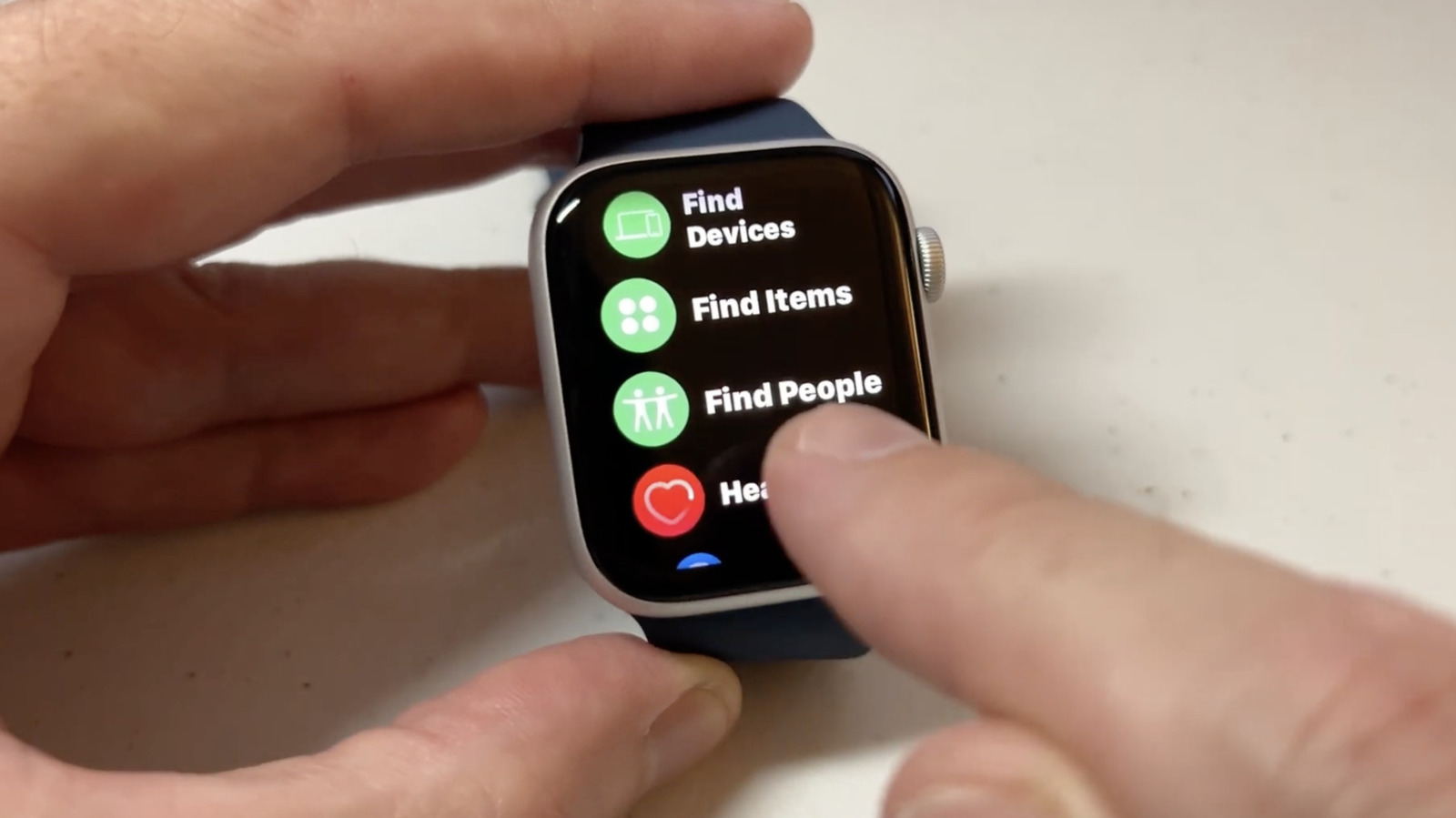
Find My and location-sharing features are simple but powerful preventative tools anyone can enable before an emergency. Share your location with trusted contacts, enable Find My for your watch, and consider a cellular plan for your device if you spend time alone or in remote areas. These settings turn otherwise passive sensors into real-time aids for friends and responders trying to locate someone quickly.
Setting up Medical ID and emergency contacts on the paired iPhone and watch adds immediate value when first responders arrive on scene. Medical ID gives quick access to allergies, medications, and important health facts without unlocking the phone, and the watch SOS function can alert emergency services with location info. Those steps cost nothing and they short-circuit delays that sometimes occur while responders gather basic information.
There are technical limits to what a watch can show, and investigators know those limits well. Battery life, intermittent connectivity, and device settings like airplane mode can interrupt data flow and leave gaps in the record. Additionally, sensors can produce noisy or misleading signals, so professionals corroborate watch data with witness statements, camera footage, and physical searches before drawing conclusions.
Legal procedures matter when investigators want access to detailed watch or cloud records, and privacy safeguards affect how quickly that data arrives. Law enforcement typically needs proper authorization or a warrant to obtain cloud backups or provider logs, which can slow the process. Still, immediate local info such as SOS alerts and Find My locations can often be acted on by families and first responders without waiting for legal steps.
To improve the odds that a watch will be useful if someone goes missing, keep basics in order: enable location services, share your location with trusted people, set up Medical ID, and charge the device regularly. Consider fall detection and a cellular plan if your routine includes solo travel, hikes, or jobs in isolated settings. These preparations turn the watch into more than a convenience device; they make it a compact, always-on safety tool.
Investigators combine Apple Watch data with other evidence to build a timeline and a search strategy that is both focused and practical. A single GPS ping can narrow a search area from miles to a few blocks, while motion and health data suggest whether a response should be urgent. When used correctly, wearable data often supplies the clue that shifts a missing-person case from uncertainty to a clear next step.
Wearables are not magic, but they are increasingly indispensable in emergencies because they capture layers of human activity that would otherwise be invisible. Families, first responders, and investigators all benefit when those layers are organized and accessible before something goes wrong. The Apple Watch will never replace boots on the ground, but used smartly it can make searches faster, more targeted, and more likely to bring people home safe.
