
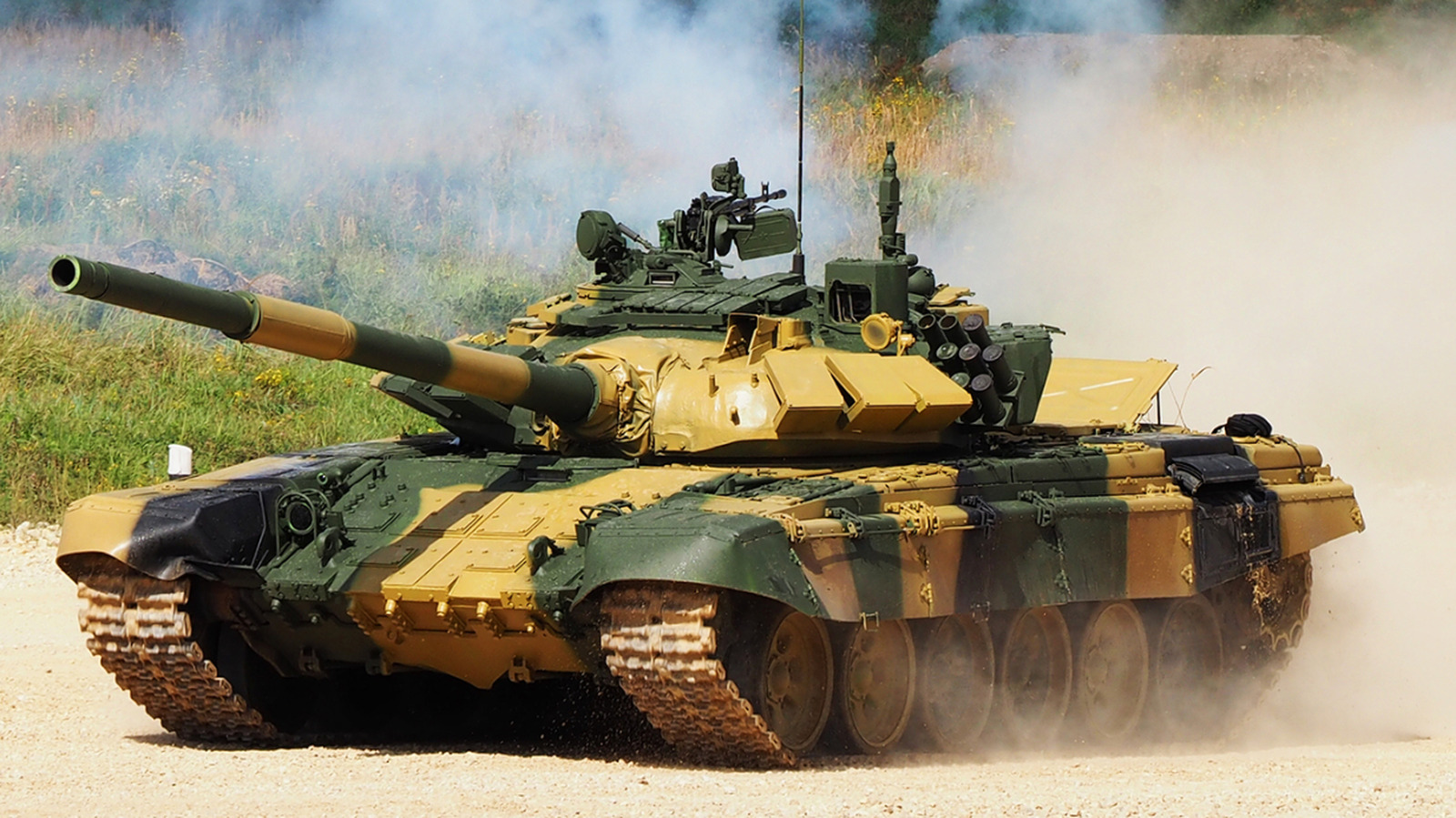
Before open conflict changed the map, Iran’s ground forces ranked among the most formidable mechanised formations in the region, built for mass and persistence. This piece looks at what made that force strong, where it showed cracks under fire, how it mixed heavy armor with unconventional tools, and what that means for responders and partners. Read on for a clear, direct take on Iran’s land power and the practical steps to counter its strengths.
Iran invested decades in armor and mechanised units, assembling a force that could move quickly across difficult terrain and absorb punishment. Tanks, infantry fighting vehicles, and armored personnel carriers formed the backbone of a conventional army designed for large scale engagements. That depth of hardware gave Tehran options for both deterrence and projection inside the region.
The equipment list included platforms like upgraded T-72s, domestically altered tanks such as the Zulfiqar, and numerous Soviet and Western chassis rebuilt or modified for local needs. Iran improvised aggressively, fitting extra armor, improvised reactive systems, and local electronics to extend service life. Those upgrades kept older vehicles relevant and complicated opponents who expected to face only legacy systems.
Doctrine emphasized numbers, defensive depth, and combined arms. Mechanised brigades trained to link with artillery, missile batteries, and infantry to produce layered defenses that could stall or blunt an advance. The Islamic Revolutionary Guard Corps and regular army units offered parallel chains of command, giving Tehran flexibility in how it employed mechanised formations.
Still, there were persistent maintenance and logistics problems that sanctions and isolation magnified. Spare parts scarcity forced cannibalization and ad hoc repairs, reducing long term reliability and sortie rates. In sustained high tempo operations, those weaknesses surfaced quickly, limiting Iran’s ability to rotate units and maintain a relentless offensive tempo.
Air superiority and precision strike remain the achilles heel for heavy armor when facing a determined, well-equipped foe. Lacking reliable control of the skies, mechanised units are vulnerable to drones, guided munitions, and stand-off strikes that can pick apart columns and supply lines. From a Republican viewpoint, that vulnerability is a strategic leverage point that must be exploited to protect allies and deter aggression.
Iran compensated by weaving asymmetric tools into its mechanised planning, deploying swarms of reconnaissance drones, loitering munitions, and integrated missile strikes to shape battles before armor engaged. Mines and ambushes were used to channel forces into kill zones, and special operations teams targeted high-value logistics nodes. Those hybrid tactics blurred the line between conventional and irregular warfare and demanded new countermeasures.
When hostilities began, the strengths and faults of Iran’s mechanised force became visible in stark terms, with armored formations achieving local gains but suffering attrition under modern countermeasures. Logistics shortfalls, disruptions to command and control, and effective use of stand-off weapons slowed advances and forced tactical withdrawals. The battlefield record underscores that numbers alone do not guarantee success against a well-prepared opponent.
Policy responses should be clear and decisive, focusing on strengthening regional partners and maintaining technological advantages. That means expedited delivery of modern anti-armor systems, enhanced intelligence sharing, and investments in electronic warfare and counter-drone capabilities. A Republican approach favors robust deterrence, rapid support for allies under threat, and continued pressure on the regime to limit its capacity to reconstitute heavy forces.
The reality is simple: Iran built a tough mechanised force, but it is neither invulnerable nor immune to sustained, modern countermeasures. We should treat their capabilities seriously, while preparing to exploit their logistic limits and air defense gaps. Keep the pressure on, arm and train partners effectively, and stay ready to counter whatever hybrid tactics Tehran mixes with its tanks and armored columns.
