
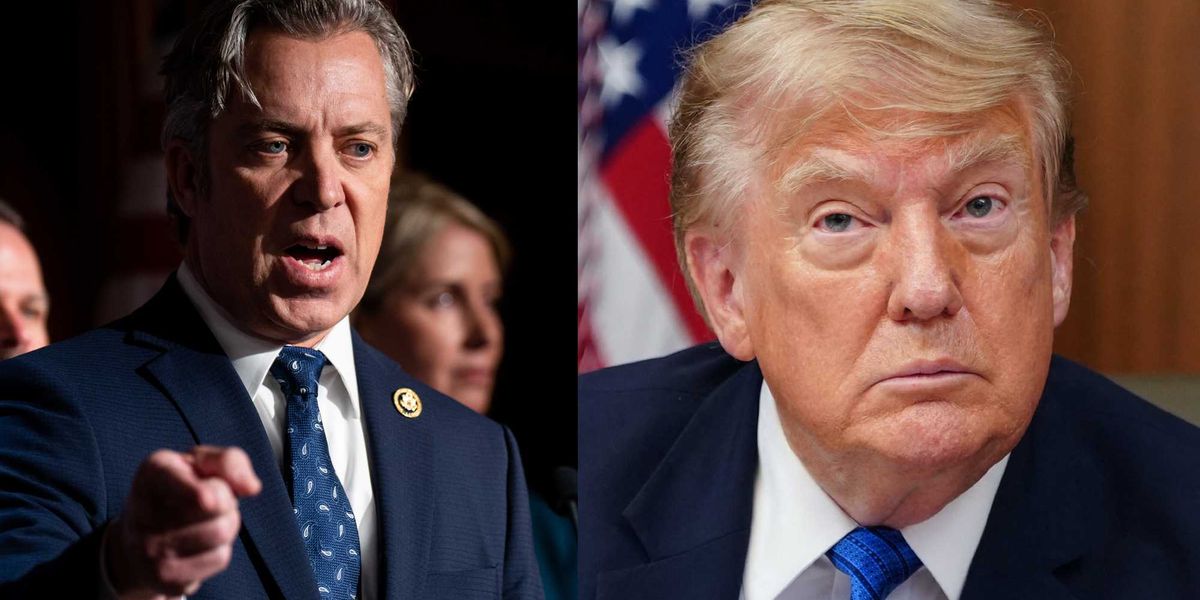
Tennessee Rep. Andy Ogles has kicked off an impeachment push against a federal judge after a ruling that blocked the removal of temporary protected status for people from Somalia. The move lands squarely in the middle of the immigration fight, where Republicans have been pressing harder on border policy, public safety, and the limits of judicial power. It also turns a policy dispute into a much bigger clash over who gets the final say when federal courts step into immigration enforcement.
The showdown centers on temporary protected status, the program that lets certain foreign nationals stay in the United States when conditions in their home countries are considered too dangerous. Critics say the system has drifted far from its original purpose and become a loophole that is too easy to stretch, renew, and defend in court. Supporters argue it protects people who would face real danger if sent back, especially when conflict or instability still hangs over their home nations.
Ogles has framed the judge’s ruling as more than a legal disagreement. From his point of view, it is another example of judges substituting their judgment for the elected branches and blocking immigration enforcement that voters expect to see carried out. That message tends to hit hard with Republicans who believe the judiciary has grown too comfortable shaping national policy from the bench.
The impeachment effort also taps into a broader frustration that has been building for years. Conservatives have watched administrations expand humanitarian programs, courts pause removals, and agencies slow-roll enforcement, all while the border debate keeps getting hotter. For them, the Somalia case is not a one-off; it fits a pattern where legal protection becomes a shield against accountability and Congress keeps getting sidelined.
At the same time, impeachment is an unusually heavy weapon, even in an age when political fights move fast and loud. It signals that Ogles wants the dispute treated as a constitutional standoff, not just another immigration ruling to grumble about and move on from. That choice raises the stakes immediately, because once impeachment enters the conversation, the battle is no longer limited to one courtroom order or one federal district.
Republicans have a clear incentive to lean into the issue. Immigration remains one of their strongest political lanes, and a case involving Somalia, TPS, and a federal judge gives them a vivid way to talk about enforcement, sovereignty, and the consequences of weak policy. It is the kind of fight that connects abstract legal questions to a very simple political message: the system should not reward endless delay.
There is also a deeper institutional angle here. Many conservatives see the country as drifting toward rule by lawsuit, where judges can freeze executive action and shape policy outcomes without ever facing voters. That resentment has only grown as immigration disputes keep bouncing between the White House, federal agencies, and the courts, with each side claiming authority and nobody fully backing down.
The Somalia ruling, and the response to it, is likely to keep feeding that tension. If Ogles pushes forward, the impeachment talk will force lawmakers to pick sides on how much power judges should have when immigration policy collides with humanitarian protections. That kind of fight does not stay neat for long, especially when it touches the border, national identity, and the plain question of whether federal law is being enforced or quietly rerouted.
In Washington, these battles rarely stay contained. One ruling can become a test case, one test case can become a rallying cry, and suddenly the debate is no longer about temporary protected status at all. It is about whether the country still believes immigration law should be driven by elected officials, or whether another courtroom order can change the rules before the dust even settles.
