
Checklist:
- Tipping culture and digital payment screens
- Pressure tactics that replace honest pricing
- The spread of tipping beyond restaurants
- How customers react to guilt-driven prompts
- Why real generosity still matters
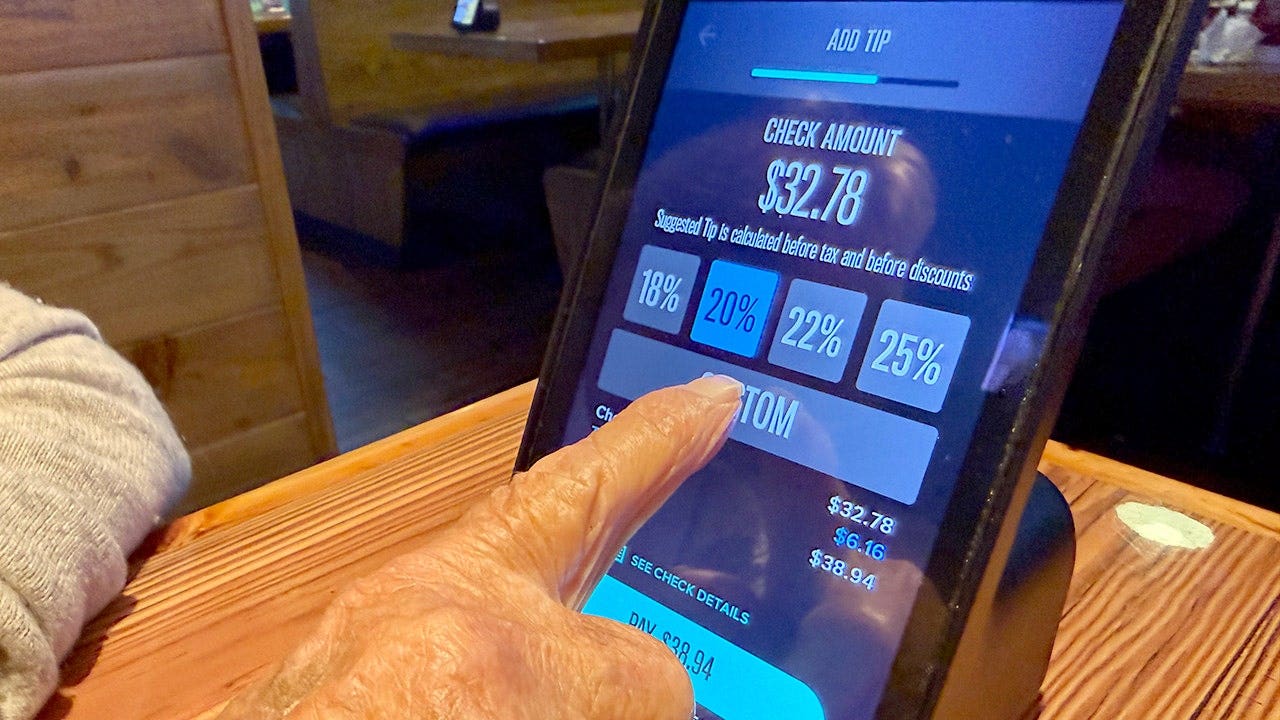
Tips used to feel simple. A good meal, solid service, a little extra left behind as a thank-you. Now the checkout screen often turns that small gesture into a mini stress test, with bright buttons, awkward pauses, and a silent pressure to prove generosity on demand.
The shift did not happen overnight. As digital payment systems took over everything from coffee counters to takeout windows, the old rhythm of tipping got tangled up with technology and marketing. What once felt personal now feels engineered, like a decision designed to catch people off guard when the line is long and the employee is watching.
That is the real frustration. Plenty of workers absolutely deserve tips, especially servers, bartenders, and delivery drivers who provide real service and often depend on them. The problem is the growing habit of pushing tip requests into places where the customer is not rewarding great service so much as being cornered by a screen.
Everyday purchases have started to look the same. Buy a latte, pick up lunch, grab frozen yogurt, or tap a card at a retail counter, and there it is: 20%, 25%, 30%, sometimes with the smaller options buried or missing altogether. The message is not subtle, and it rarely feels like a friendly question.
This is where the line between appreciation and pressure gets crossed. A tip is supposed to be voluntary, but the setup often makes refusal feel rude, even when the purchase involved no extra service at all. That is not generosity being encouraged. That is social pressure being packaged as a normal part of paying.
Businesses know exactly what they are doing. It is easier to nudge customers into covering higher labor costs than it is to clearly raise menu prices and explain the change upfront. Instead of putting the real number on the sign, they let the payment screen do the dirty work and hope guilt fills the gap.
That approach may help a bottom line in the short term, but it also corrodes trust. Customers notice when the menu says one thing and the screen says another. They notice when the so-called optional tip feels less optional by the second.
The reach of tipping has also grown way past its old boundaries. Coffee shops, bakeries, stadium stands, airport kiosks, food trucks, and even self-serve spots now ask for extra money in moments where service barely exists. At some point, the culture stops feeling like appreciation and starts feeling like a fee for simply showing up.
There is also a psychological trick buried in the design. The prompt rarely asks whether a tip should be left. It asks how much, which is a subtle but powerful way to move the customer from decision-maker to target. Nobody likes feeling like the villain over a sandwich.
That tension matters because people adapt to it. When every transaction comes with an extra nudge, customers get more skeptical, less spontaneous, and more likely to avoid places that make them feel trapped. Generosity does not disappear, but it gets guarded, and once that happens, everybody loses a little.
The answer is not to punish workers or shame people who tip well. It is to be honest about what things cost. If a burger needs to be priced higher to cover expenses, then price the burger higher and say so plainly. If service is outstanding, let the tip remain a real thank-you instead of a digital guilt trip.
Americans are still generous when it counts. They help after storms, donate to causes they believe in, and step up when someone needs a hand. That spirit works best when it is freely given, not squeezed out by a screen that turns kindness into an expectation and gratitude into a surcharge.
