
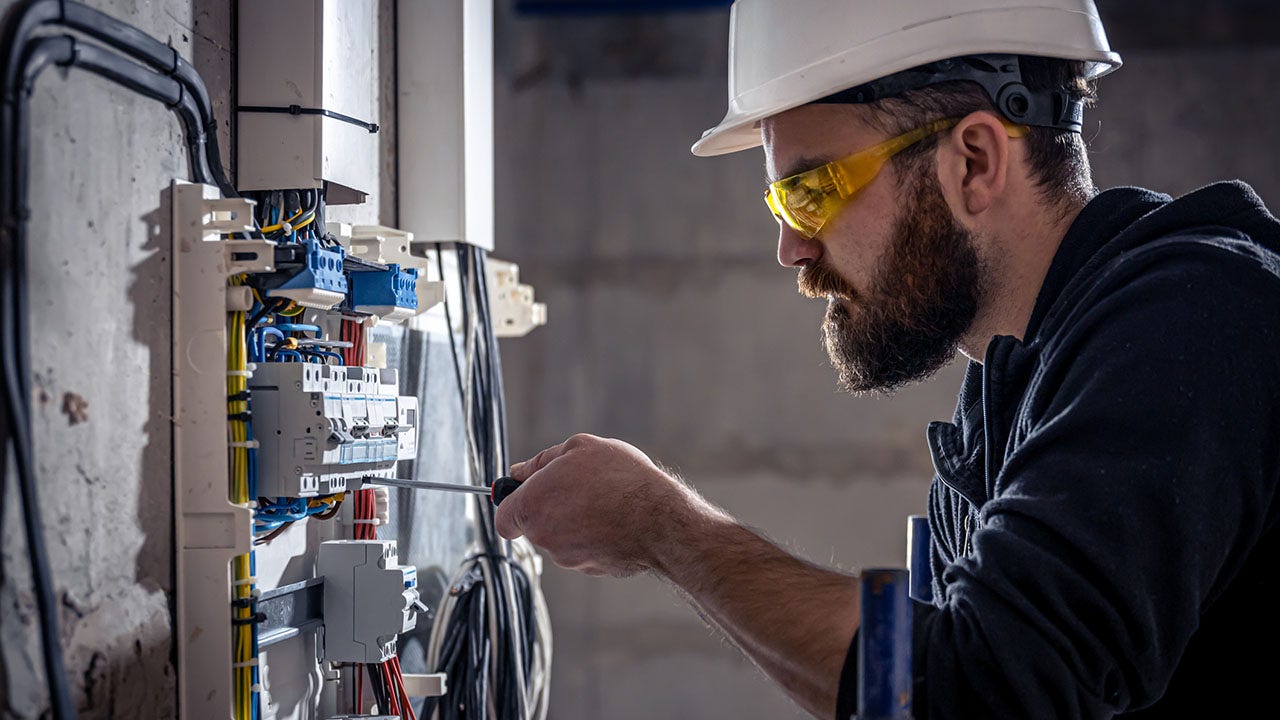
America’s real economic leverage is not hiding in some flashy new gadget. It’s sitting in the people who keep cars moving, planes flying, factories humming, and buildings from turning into sweatboxes when the heat kicks in. The trouble is that the country does not have nearly enough of them, and the gap is already hurting business, wages, and basic daily life.
Technicians across automotive, aviation, HVAC, industrial machinery, energy, and other essential sectors are in short supply, and the numbers are ugly. Industry supply meets only 42% of demand, which means employers are scrambling while critical systems sit exposed. That shortage also drains billions of dollars in annual economic output, a quiet hit that spreads far beyond the shop floor.
Part of the problem is cultural. Skilled technical work still gets boxed into a narrow label, even though it covers a huge slice of the modern economy. These jobs are not side gigs or fallback plans. They are high-skill, high-wage careers that often do not require a four-year degree and can pay anywhere from solid middle-class money to six figures.
A modern vehicle is loaded with computers, sensors, and calibration systems. A modern aircraft is just as dependent on precision, diagnostics, and maintenance discipline. When the public talks about innovation, it often skips the fact that innovation needs someone qualified to keep it alive once the ribbon-cutting is over.
Employers are starting to notice, and some big names are putting real money into the pipeline. Companies like Ford, Carrier, and Snap-on have backed scholarships, grants, and training efforts meant to grow the next generation of technicians. That kind of support matters because the demand is not theoretical, and the need is not getting smaller.
Even so, the shortage keeps biting because technicians are too often treated like scattered job titles instead of one powerful workforce. Automotive techs, diesel specialists, aircraft mechanics, HVAC pros, and industrial machinery experts all get filed away in different corners of labor data. Viewed separately, they look like isolated shortages. Viewed together, they look like a national weakness.
The scale is bigger than many people realize. Millions of workers are already part of the maintenance-and-repair world, and that still leaves out plenty of independent operators, welders, and other technical roles that keep the system moving. Add the full ecosystem together, and the technician workforce becomes one of the most important economic engines in the country.
That engine is also deeply tied to everyday spending. Americans pour huge amounts of money into vehicle repairs, airline maintenance, facility upkeep, and the equipment that powers factories and logistics networks. Every dollar spent there depends on a person who can diagnose the problem, fix it fast, and keep the downtime from snowballing into a bigger mess.
The stakes climb even higher when the conversation shifts to national strength. Reshored manufacturing, AI data centers, transportation networks, and defense production all rely on a workforce that can install, maintain, and repair sophisticated systems without missing a beat. The country can build all the shiny new infrastructure it wants, but none of it matters much if the people needed to operate it are not available.
That is why visibility matters so much. If the technician pipeline stays broken up and hidden inside dozens of categories, policymakers and funders keep underestimating how important it is. Once the full picture comes into focus, the fix starts to look obvious: more scholarships, more apprenticeships, stronger career-and-technical education, and better pathways into the jobs that already exist.
There is no mystery about what happens when those paths open up. Students show up, interest grows, and employers get access to the talent they need to stay competitive. The challenge is matching that enthusiasm with enough support, because the demand is already there and the pressure on the system is not letting up.
Companies investing billions in manufacturing, energy, AI, transportation, and defense should think beyond the machines themselves. A factory floor, fleet, data center, or hospital system is only as strong as the technicians standing behind it. The people who keep the lights on, the engines running, and the critical equipment alive are not a side detail. They are the backbone.
