
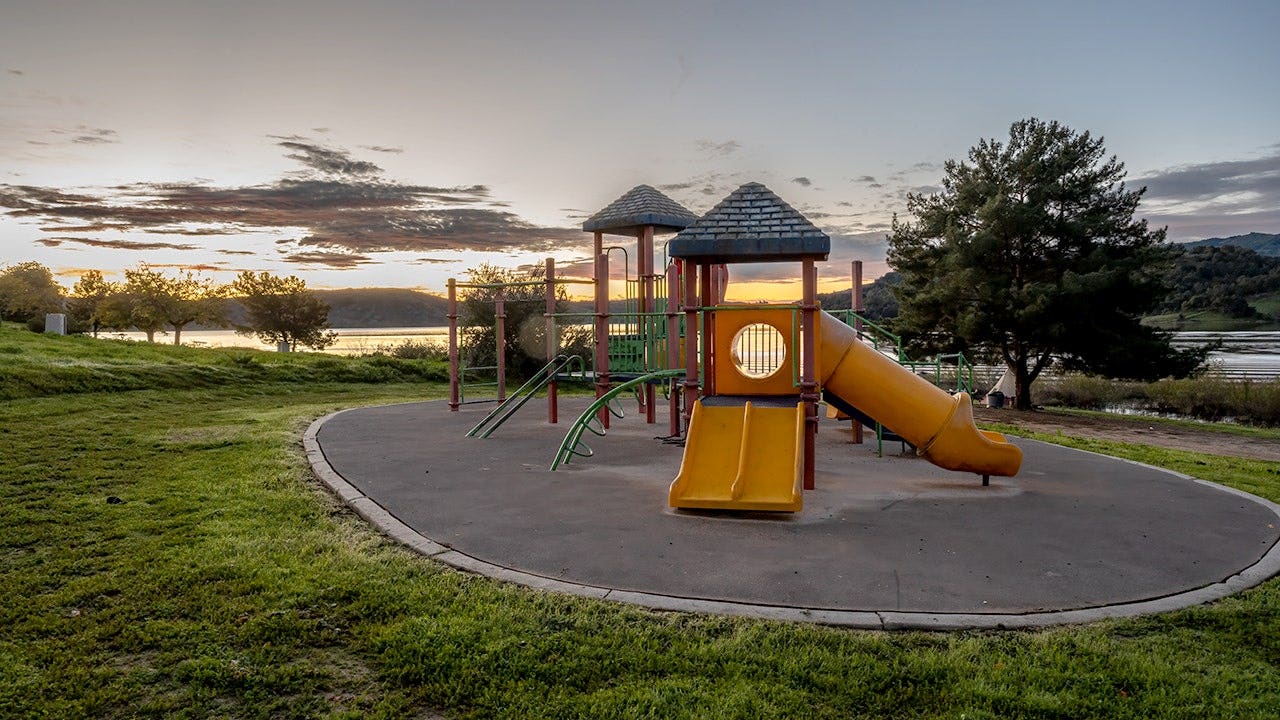
As America marks another big summer milestone, the spotlight lands on a surprisingly simple idea: kids need more play, not less. The case for recess is really a case for stronger learning, healthier children, and a future generation ready to carry the country forward.
For years, schools have been pushed to chase test scores and squeeze every minute for academics. In that grind, recess often gets treated like extra fluff, when it is actually one of the most important parts of the school day.
That matters because education was never supposed to be just a factory line for facts. From the earliest days of American schooling, the goal was to raise capable citizens who can think clearly, work with others, and take part in democratic life.
The word kindergarten itself points to that bigger vision. It means “children’s garden,” which is a pretty good reminder that young minds need room to stretch, explore, and grow in a natural way.
The modern obsession with nonstop instruction has changed the equation. Since the accountability push of the past few decades, many schools have trimmed away the very things that help children recharge and learn better.
Recess is not wasted time. It gives children a chance to move their bodies, breathe fresh air, and reset their attention so they can return to class ready to absorb more.
That is not just common sense, either. Pediatric research now backs up what parents and teachers have long seen on the playground, showing benefits for memory, focus, emotional balance, and social development.
The latest guidance from the American Academy of Pediatrics makes that point even more forcefully. The evidence base has grown a lot, and the message is clear: recess is part of learning, not a break from it.
What happens during recess goes far beyond running around. Kids negotiate rules, settle disputes, invent games, share space, and figure out how to bounce back when things do not go their way.
Those are real-life skills, not side perks. Leadership, resilience, cooperation, empathy, and problem-solving are exactly the traits children need whether they grow up to be teachers, engineers, athletes, parents, or public servants.
That is why withholding recess as punishment makes so little sense. Taking away play does not create better learners, and it can make the school day feel even more stressful and less productive.
The bigger picture is hard to miss. Children today are more isolated, more anxious, and more glued to screens than kids were a generation ago, which makes unstructured play even more valuable.
Fresh air and face-to-face interaction are simple tools, but they are powerful ones. They help children connect with each other in ways that no device can replace.
Only a handful of states require daily recess, which is a pretty low bar for something this basic. Some states are still debating whether to make it standard, and that conversation says a lot about what we believe school is really for.
If the answer is to build smart, healthy, and grounded citizens, then the playground has to stay part of the plan. The next generation will inherit the country we shape now, and a lot of that shaping happens long before the bell rings for the final class of the day.
