
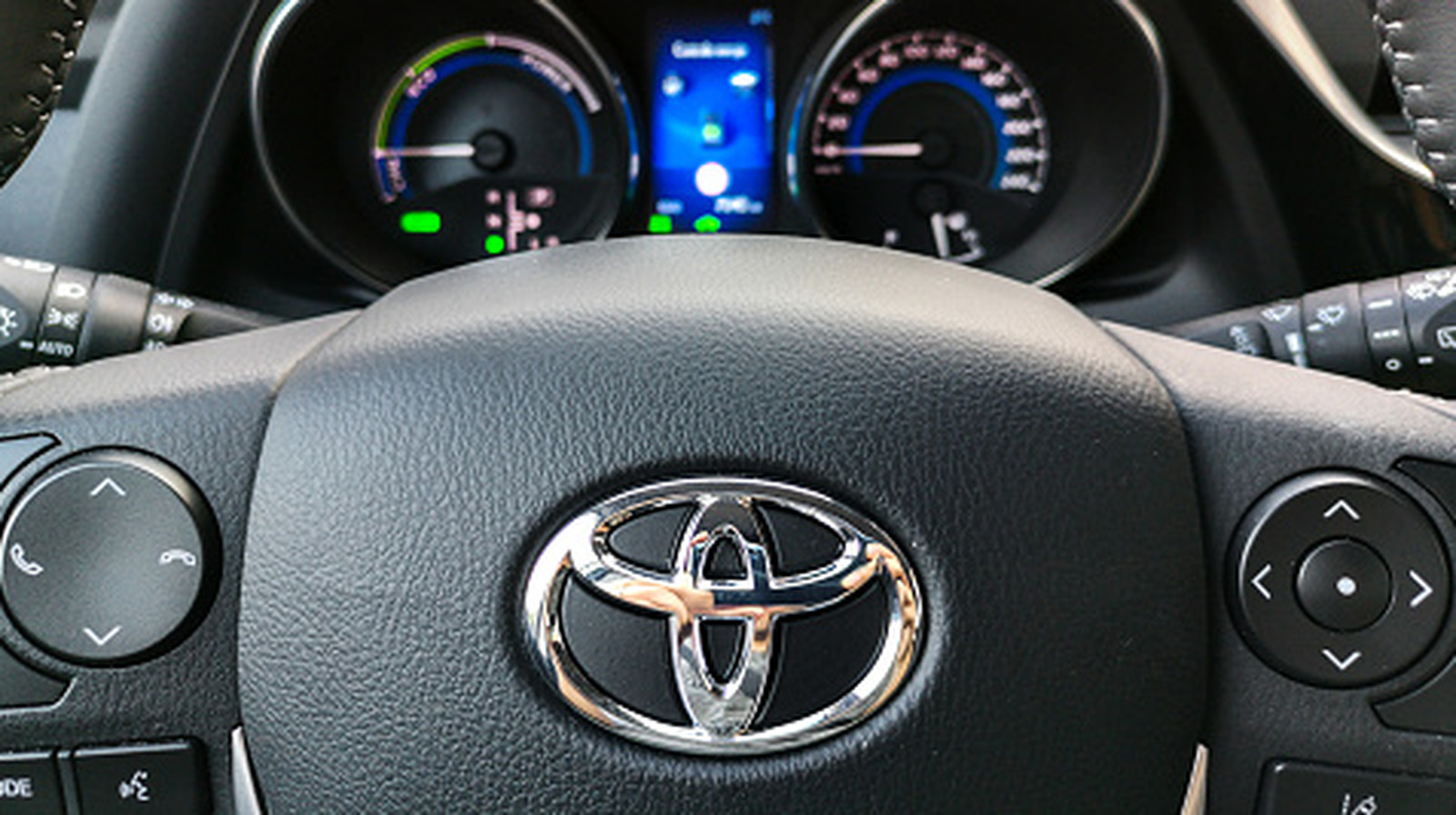
Toyota’s Hold symbol can look mysterious at first, but it is really a simple convenience feature built into newer models. The light ties into the brake hold system, which keeps the car from creeping forward or rolling back after a complete stop. Once the meaning clicks, the dashboard feels a lot less confusing and a lot more useful.
The Hold feature is meant to take some of the strain out of stop-and-go driving. After the vehicle is brought to a full stop and the system is switched on, it can keep the brakes engaged so the driver does not have to stay planted on the pedal. That comes in especially handy in traffic, at long lights, or anywhere repeated braking starts to wear on your leg.
In Toyota models, the Hold button is usually found near the gear selector or the electronic parking brake on the center console. To use it, the car needs to be in drive and the brake pedal pressed before the system is activated. Once that is done, the vehicle stays put after stopping until the accelerator is pressed again.
The dashboard gives two different signals for the feature, and the color matters. A green Hold light means the system is turned on and ready, while an amber Hold icon means the car is actively holding the brakes at that moment. That color change is a quick way to tell whether the system is waiting in the background or actually doing the work.
Turning the feature off is just as straightforward. Press the brake pedal and hit the Hold button again, and the system shuts down. It also turns off automatically when the engine is not running, so it is not something that stays active all the time.
There are also a few limits built into the system, and they make sense. It will not engage if the car is in park, if a door is open, or if the seat belt is unbuckled. Those conditions keep the feature from being used when the vehicle is not fully ready to move safely.
That is part of what makes the Hold symbol worth knowing instead of ignoring. Modern dashboards are packed with tiny icons that can seem random until they suddenly matter, and this one is a good example of a feature that blends convenience with control. For drivers stuck in dense traffic or crawling through repeated stops, it can make the whole experience feel a little smoother and less tiring.
