
America’s boy problem keeps showing up in the same places: drifting confidence, weaker school performance, less discipline, and a growing sense that too many young men are trying to build an identity without enough steady guidance. A big part of that struggle comes from a simple but overlooked reality: millions of boys are growing up without fathers at home and without many male role models in school. That gap matters, because the adults around boys shape how they handle pressure, purpose, responsibility, and the hard edges of becoming a man.
For generations, boys were usually formed in a pretty direct way. They watched fathers work, learned from older men in the family, and picked up lessons about duty, self-control, courage, and faith before they ever thought about those words in a classroom. Education was never just about reading and math. It was also about character, discipline, and how a young man was expected to carry himself in the world.
That changed as American schooling grew into a standardized system. The rise of large public education systems created a huge demand for teachers, and women filled much of that space. Some saw it as a natural fit because women were viewed as nurturing and patient, while others understood the obvious economic side of the shift: women could be hired more cheaply. Over time, schools became overwhelmingly female-led, especially in the early grades.
Industrial life also pulled fathers away from daily contact with their sons. On farms and in family businesses, boys once saw male work up close and personal. As work moved outside the home, fathers were increasingly cast as breadwinners first, while someone else handled much of child formation. That split left a cultural habit in place: dad earned the money, mom handled education.
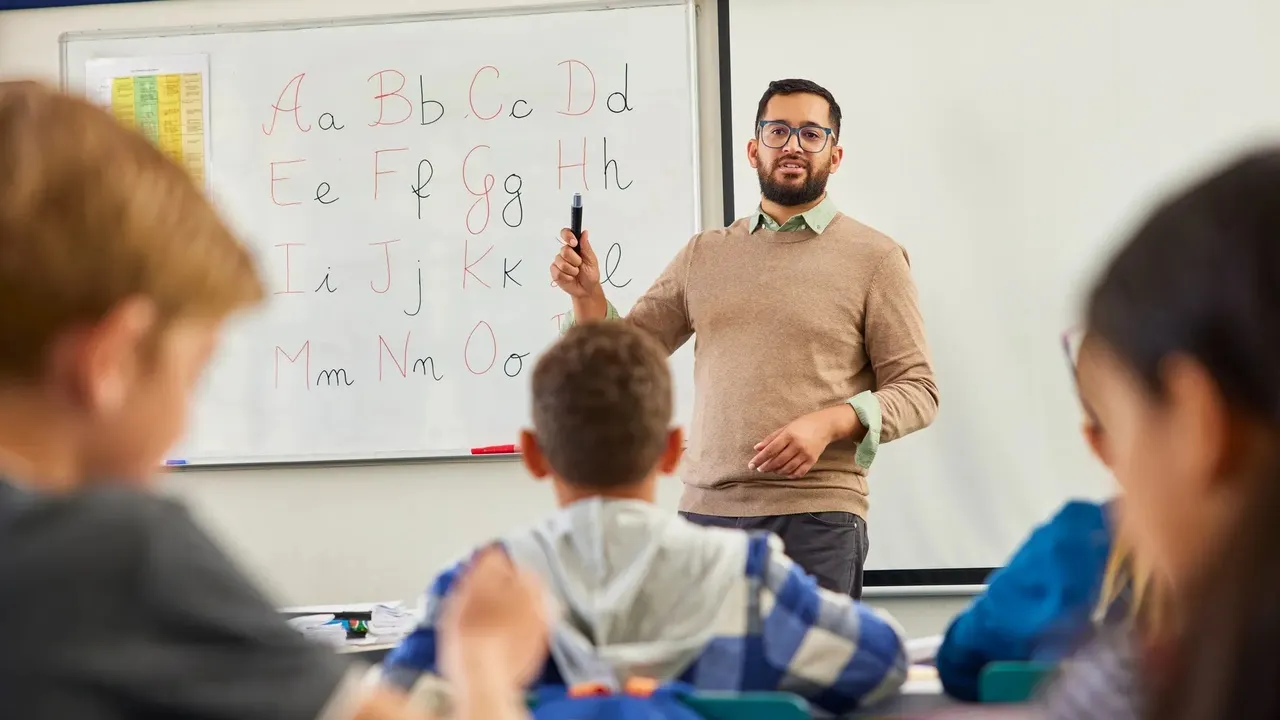
Today, the numbers make that split hard to ignore. Most public school teachers are women, and millions of children live with their mothers but not their fathers. In many schools, boys can move through the earliest grades without ever being taught by a male teacher. Female teachers deserve real respect for carrying so much of the load, but a system with very few men in front of young boys leaves something missing.
That missing piece becomes clearer when father absence and school imbalance collide. A boy may spend his home life without a consistent dad, then spend most of his school day in a setting where nearly every authority figure is female. During the years when boys are learning confidence, resilience, emotional control, and how to deal with frustration, that lack of male example can shape everything from behavior to ambition.
The issue is not that women cannot educate boys well. They absolutely can, and many do it with skill and dedication. The problem is that boys also need healthy exposure to good men who model strength without cruelty, confidence without arrogance, and discipline without coldness. They need men who show that physical power can become service, competitiveness can become excellence, and desire can be guided by responsibility.
Too often, public conversation fixates on grown men already in trouble while paying far less attention to the boys who are just starting out. That is backward. The real work starts early, when a child is still learning how to handle rejection, tell right from wrong, and build habits that will matter for decades. Waiting until a young man is already lost means the damage is harder to repair.
This is why education keeps coming back as the center of the problem. Not the budget fight, not the latest slogan, not some shiny government fix. The real question is who is shaping boys day after day, year after year, when their minds and habits are still soft enough to form. If men step away from that job, then the culture keeps paying the price later on.
Boys need fathers who show up, male teachers who stay engaged, and communities that treat formation as seriously as test scores. They need adults who care about more than keeping order or filling seats. They need guidance that tells them how to become strong without becoming reckless, and how to grow up into men who can carry family, work, and responsibility without flinching.
There is no mystery here, just a hard truth that keeps getting dressed up in fancy language. If society wants better men, it has to start earlier and closer to home, in the classroom, at the dinner table, and in the example set by the adults boys actually see. When that piece is missing, the rest of the conversation gets a lot louder and a lot less useful.
