
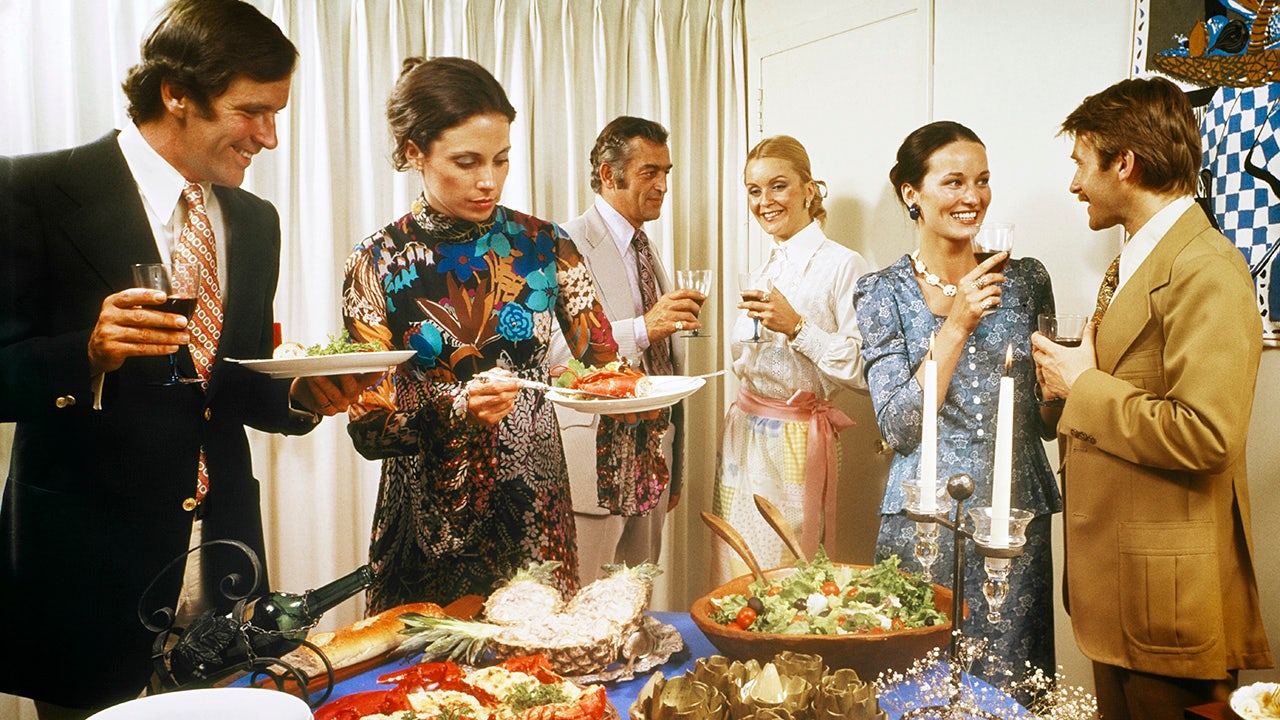
American home hosting is getting rarer, and the reasons are easy to spot once the dust settles. Busy lives, tighter budgets, smaller friend circles and endless screen time have all chipped away at the old habit of inviting people over. What used to be a normal part of social life now feels like a special project for many households.
Recent survey data points to a major shift in how often people open their doors. Far fewer Americans say they entertain at home than they did in the past, and the drop is even sharper when looking at monthly hosting. That change does not seem to come from one single cause, but from a pileup of everyday pressures that make staying in feel simpler than setting a table.
One big reason is plain exhaustion. After work, family duties and everything else packed into the day, hosting can land like one more item on an already crowded list. For people juggling multiple jobs or nonstop caregiving, the idea of cleaning, cooking and socializing at night can feel less like fun and more like a second shift.
There is also the pressure to make everything look flawless. Social media has turned even casual get-togethers into something that can feel staged, polished and shareable. That can make people hesitate, because a low-key meal suddenly starts looking like a performance instead of an easy night with friends.
Money matters too, and hosting has become a lot more expensive than it used to be. Grocery bills bite harder now, and feeding a group can feel like a luxury when prices keep climbing. Add housing costs and smaller living spaces, and even a simple gathering starts to feel like a bigger commitment than many people want to take on.
Another factor is the shrinking circle of close friends. People are spending more time alone and reporting fewer strong friendships, which means there are fewer guests to invite in the first place. For younger adults in particular, that can create a quiet cycle where less social contact leads to even less social contact.
That loss of connection carries a real emotional weight. Loneliness and social isolation have become major concerns, especially for people who already feel stretched thin or left out of regular community life. When those bonds weaken, depression and anxiety can creep in, and the home starts to feel less like a gathering place and more like a retreat.
Then there is the pull of screens, which may be the easiest rival of all. Streaming a show, scrolling a feed or relaxing with a device takes almost no effort, no cleanup and no coordination. Compared with arranging food, timing arrivals and keeping conversation flowing, staying on the couch can seem like the path of least resistance.
Still, the answer does not have to be a grand comeback of fancy dinner parties. Smaller, looser get-togethers can work just fine, and sometimes they work better because they feel natural instead of forced. A coffee, a casual meal, a short walk or a standing invite can bring people together without draining everyone’s energy.
That softer kind of hospitality may be exactly what modern life needs. The goal is not perfection or a spotless house or a spread worthy of a magazine cover. It is simply making space for real company, because once those easy habits fade, rebuilding them takes more effort than most people expect.
