
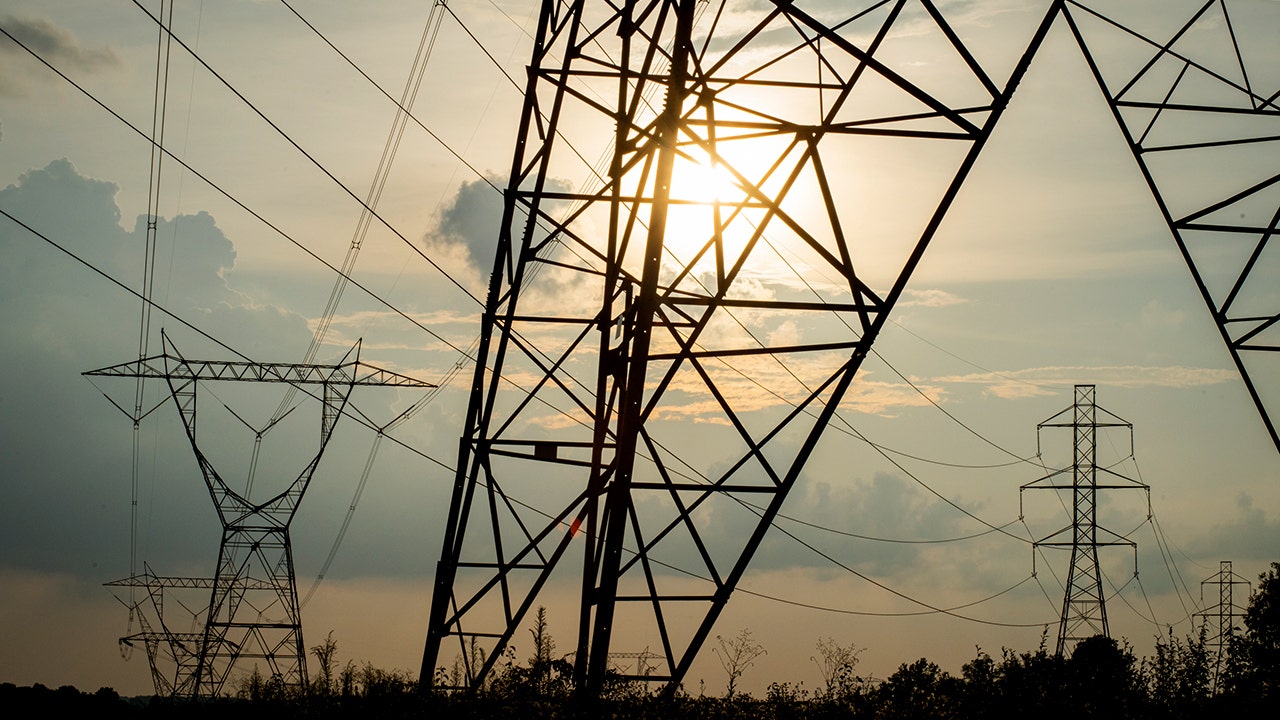
America’s power grid is no longer sitting behind a safe wall. Foreign enemies are openly studying weak points, and the mix of cyber threats, sabotage, and aging infrastructure means the next hit could land harder than most people want to imagine.
Since World War II, the U.S. military has relied on a logistics system built around dependable energy. That comfort is gone, and the danger has spread well beyond the battlefield. Iran has already shown interest in striking domestic infrastructure, and its cyberattacks on U.S. water systems were a loud warning that energy targets are not off the table.
China and Russia think in the same broad terms. Their war planning also includes attacks on energy systems in the United States and among American allies, because knocking out power can slow decision-making, disrupt military operations, and stir public panic. In a modern conflict, a blackout is not just an inconvenience, it can become a weapon.
The first fix is simple in concept, if not in execution: stop relying on adversary nations for critical grid components. If parts of the nation’s electrical backbone are made in China or another hostile state, then the grid starts carrying hidden risk before anything even breaks. Supply chains should be treated like a security issue, not just a pricing issue.
The second step is to make reliable electricity the top priority for utilities and government alike. That means choosing fuel sources and grid policies with stability in mind, not just politics or trends. When the lights go out, no one cares how elegant the policy sounded in a press release.
The third step is tougher physical and digital protection. Power systems need to be hardened against cyberattacks, sabotage, and the kinds of direct assaults that have already hit American infrastructure. The attacks on the Colonial Pipeline and the sniper strikes on transformers in California, Utah, and Oregon proved that determined bad actors do not need a full military invasion to cause serious damage.
The fourth step is preparing for electromagnetic attack. EMP weapons and related disruption tactics can wreck electronics, damage equipment, and leave recovery teams scrambling. China, Russia, and North Korea are all believed to have this kind of capability, and that alone should have set off far more alarm bells than it did.
There is also a quieter problem hiding inside the push for cleaner power. Renewable energy can work in the right setting, but in some places it has added instability to already fragile grids. Europe, the U.K., and Taiwan have all made energy choices that left them more exposed, and that kind of vulnerability does not stay local for long when American forces and allies depend on those systems in wartime.
The bigger point is that advanced societies have more to lose. A country like North Korea can limp along with less power, but the United States runs on electricity everywhere, from communications to logistics to weapons systems. That dependence is part of what makes America strong, and it is also what makes the grid such an attractive target.
Chinese inverters and other risky components need to be stripped out of domestic electricity systems before they become a backdoor for disruption. If an adversary can remotely influence equipment deep inside the grid, then the threat is not theoretical anymore. It is sitting in the machinery, waiting for the wrong moment.
War has changed, and the old line between battlefield and home front is gone. Energy security now sits right at the center of national security, where it should have been all along. The enemy is already thinking about the grid, and that means the country has to think about it harder, faster, and with a lot less patience for excuses.

