
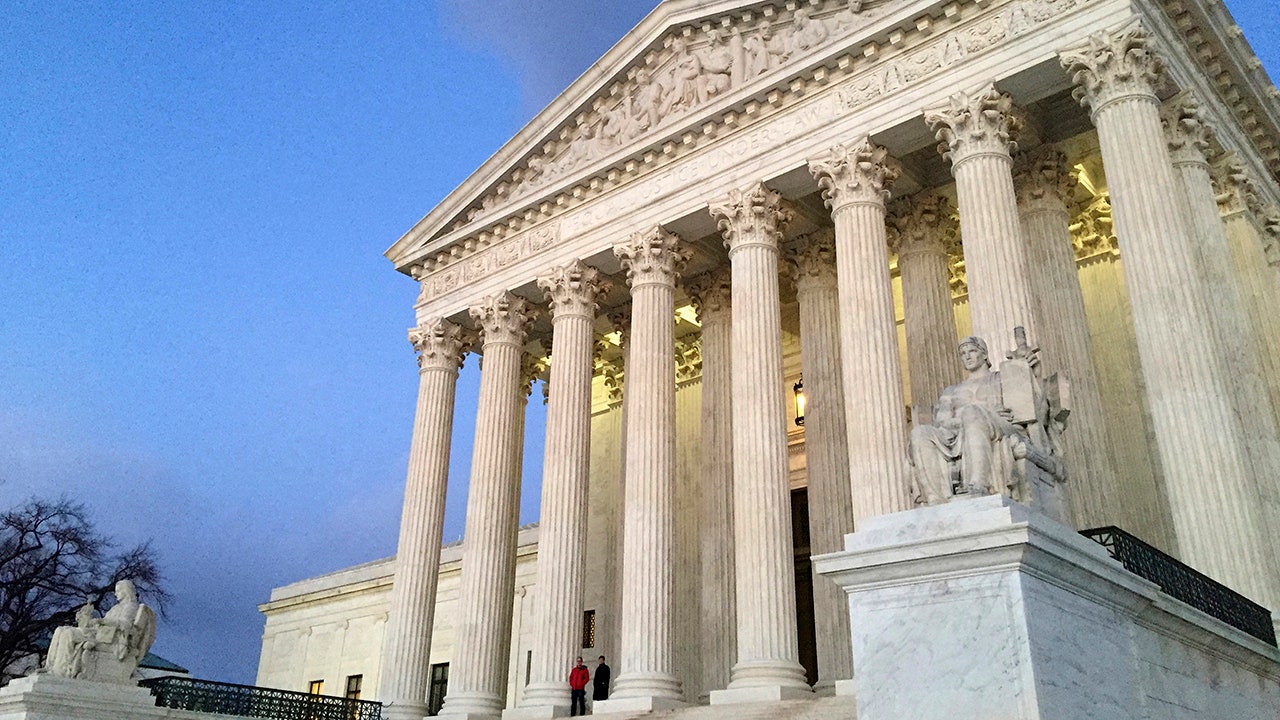
The Supreme Court opened its new term with a major climate fight that could shape where Americans litigate disputes over pollution, energy, and government power. At the center is a question with huge stakes: whether state courts or federal courts get the final say when local governments sue oil companies for alleged climate harms.
The argument stretched for nearly two hours, and the tone made it clear this is no routine case. Eight justices pressed both sides on who should hear the dispute, how far state authority reaches, and whether the courtroom venue itself could decide the outcome before the bigger climate questions are even reached.
Justice Samuel Alito did not take part after recusing himself over oil company stock ownership, leaving the court one seat short. That absence raised the chance of a 4-4 split, which would leave the Colorado case moving forward without setting a broader national rule.
The lawsuit comes out of Boulder County and is part of a wider wave of cases filed by cities and states seeking billions in damages. Officials say the money is needed to deal with wildfires, rising seas, and storms they blame on fossil fuel pollution, while energy companies say the claims are an attempt to stretch local power far beyond its limits.
Colorado’s top court let the case proceed, but the companies want it moved into federal court. Their argument is simple: emissions cross state lines, so the issue should be handled under federal law, not piecemeal state rulings that could pile up into years of costly litigation.
Chief Justice John Roberts emerged as a central figure after pushing both sides on why this lawsuit should be treated differently from other cases where state courts have handled out-of-state conduct with broad effects. His questions suggested skepticism that one state should get to set the terms for a dispute with national reach.
Justice Elena Kagan took a different view and compared these claims to earlier state actions against tobacco and opioid companies. She framed the case as another example of states trying to regulate harm that lands in their communities, even when the conduct behind it stretches beyond their borders.
Justice Brett Kavanaugh sounded the alarm over the risk of endless litigation, warning that cases like this could snowball into a crushing burden for defendants across the economy. He argued that if courts keep opening the door, any business could become a target, and the costs could run far beyond this one industry.
The broader fight is also about what the Clean Air Act allows and what it leaves to Congress and federal agencies. The companies, backed by the Trump administration, say climate policy is a national issue and that state-by-state lawsuits cannot override the federal framework already in place.
Justice Department lawyer Sarah Harris told the court that interstate air pollution belongs in federal court and that the lawsuit stretches constitutional limits on state authority. That message hit squarely at the heart of the case, where venue may matter just as much as the claims themselves.
Jackson also pointed to the procedural side of the dispute, asking why the court should step in now when other federal issues are still working their way through the state process. That line of questioning opened the door to a narrower outcome, one that could delay the larger clash over federalism without fully shutting it down.
The case is Suncor Energy Inc. v. Commissioners of Boulder County, CO (25-170), and a decision is expected by next spring. For now, the justices are staring down a dispute that touches climate policy, corporate liability, and the basic question of who gets to decide when a local lawsuit turns into a national fight.
