
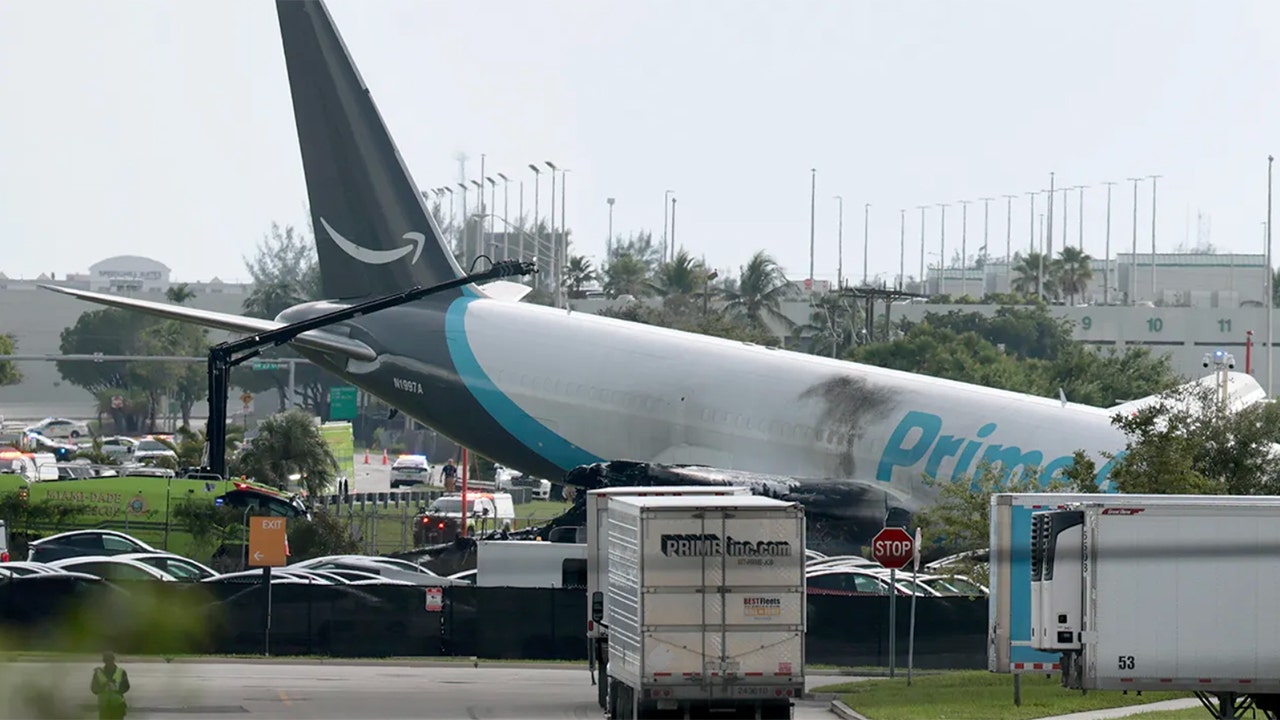
Amazon is under scrutiny after a cargo plane flying for its air network crashed while landing in Miami, leaving a deadly scene and an active federal investigation. The company says it is cooperating with authorities as officials work to piece together what went wrong, while questions remain about the aircraft, the route, and the impact on operations.
Amazon said it is working closely with investigators after the crash of a cargo jet operating on behalf of Amazon Air at Miami International Airport. The aircraft, flown by 21 Air, was attempting to land when it went off the runway, struck vehicles, and caught fire. At least five people were killed and five others were injured.
The company said it was devastated by the loss of life and extended sympathy to the victims’ families and everyone affected. That kind of statement is expected in a situation this serious, but the real focus now is the investigation and the chain of events that led to the crash. Amazon also said it would fully cooperate with the review.
Prime Air Flight 7598, a Boeing 767-300 operated by 21 Air, had departed San Juan, Puerto Rico before the accident. Authorities said the aircraft overran the runway during the landing attempt around 2 p.m. local time, turning what should have been a routine arrival into a chaotic emergency response.
Miami-Dade officials said the jet hit multiple vehicles before catching fire. Three of the injured victims were taken to a trauma center in critical condition, while two others were transported to a local hospital. The scale of the damage quickly pushed the crash into one of the most serious cargo aviation incidents tied to Amazon’s network in years.
The FAA and the NTSB are now investigating, which means the aircraft’s condition, the landing approach, weather, runway factors, and any possible mechanical issues will all be examined. Boeing also confirmed the plane had a long history, saying it was first delivered as a passenger aircraft in 1994 and later converted into a freighter.
Boeing expressed condolences to the victims and said it is supporting the NTSB-led investigation. That matters because the aircraft involved has a complex service history, and investigators will likely look closely at maintenance records, conversion details, and the aircraft’s performance before the crash. In aviation, those details can tell a very different story than the first headlines suggest.
It was not immediately clear whether the accident would disrupt Amazon Air operations or package deliveries. Even so, a crash like this raises immediate pressure on a business that depends on speed, precision, and a huge logistics machine moving under intense public scrutiny.
Amazon Air is part of the company’s cargo network, built to move packages between facilities and support delivery operations. Incidents involving cargo planes tend to draw extra attention because they sit at the intersection of commercial shipping, airline safety, and the demands of nonstop delivery schedules. When one goes wrong, the ripple effects can be wide.
Previous cargo plane accidents have led to closer regulatory oversight and, in some cases, short-term operational setbacks. That history gives this crash a heavier weight, especially as investigators work through what happened in Miami and whether it points to a deeper safety issue or a tragic one-off event.
The last fatal crash involving Amazon’s air cargo network happened in 2019, when an Atlas Air Boeing 767 operating for Amazon Air went down in Texas and killed all three people aboard. That earlier disaster still hangs over the broader cargo aviation world, and this latest crash is likely to reopen familiar concerns about risk, oversight, and how quickly a routine flight can turn fatal.
21 Air had not immediately responded publicly, and the unanswered questions are already piling up. For now, the wreckage, the investigators, and the victims’ families remain at the center of a story that is far from finished.
