
A new study from researchers at Cedars-Sinai finds a familiar respiratory bacterium, Chlamydia pneumoniae, tucked into retinal and brain tissue of people with Alzheimer’s disease, suggesting infections and the inflammation they trigger might speed up neurodegeneration and offer new paths for diagnosis and treatment.
Researchers examined retinal tissue from more than 100 deceased individuals and found higher levels of Chlamydia pneumoniae in those diagnosed with Alzheimer’s compared with people who had normal cognition. The team used protein analysis, genetic testing, and advanced imaging to track the bacteria, and the presence of the pathogen lined up with worse cognitive outcomes and increased neuroinflammation.
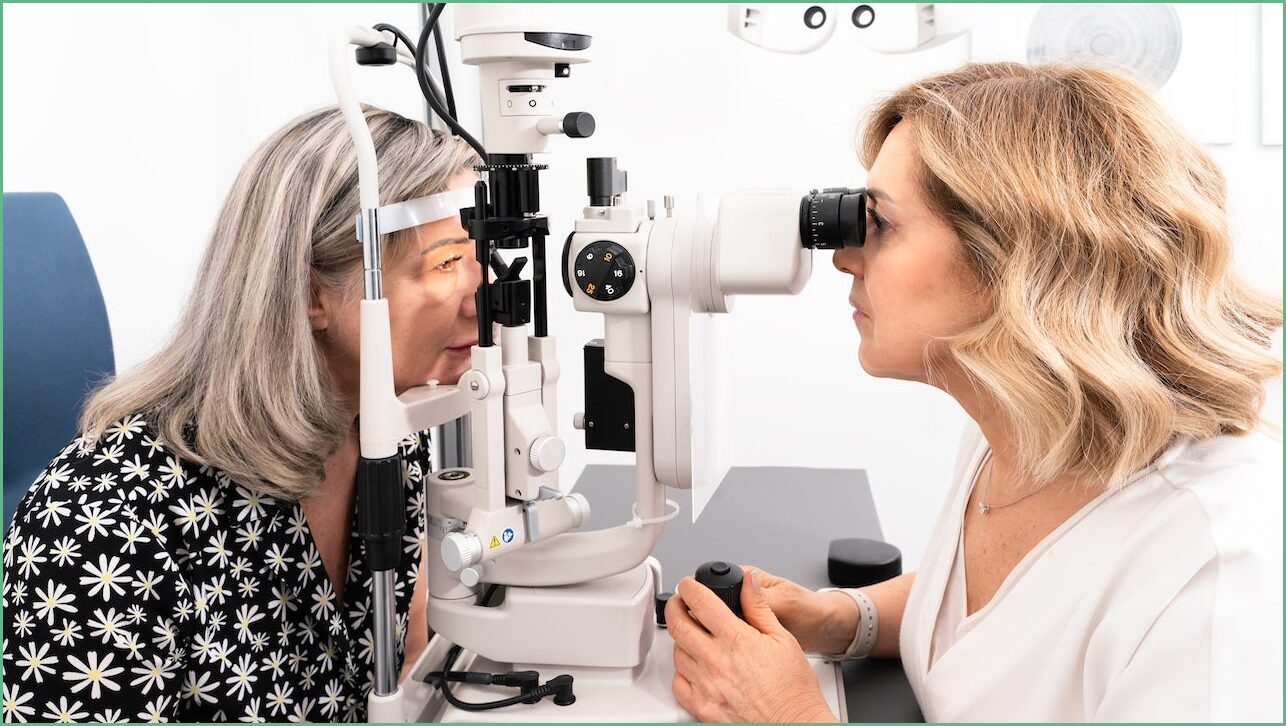
“The retina is directly connected with the brain. It’s a developmental extension of the brain,” Maya Koronyo-Hamaoui, PhD, told reporters, underscoring why eye tissue could reveal what’s happening inside the skull. With the retina acting as a window to the brain, the study suggests retinal samples might help spot infection-driven inflammation long before obvious cognitive symptoms appear.
The bacterium was able to reach and persist in retinal tissues for years, provoking chronic inflammation that appears linked to nerve cell loss. In lab experiments on human neurons and in mice engineered to model Alzheimer’s, the presence of Chlamydia pneumoniae was associated with increased inflammation, cell death, and declines in cognition, which strengthens the concern that infections can exacerbate degenerative processes.
The infection also seemed to prompt production of amyloid-beta, the sticky protein that accumulates in Alzheimer’s brains and is a hallmark of the disease. That connection raises questions about whether infection-triggered immune responses help set off amyloid buildup or whether amyloid itself is a reaction to invading microbes, ideas the team says need more work to untangle.
People carrying the APOE4 gene variant, a known risk factor for Alzheimer’s, showed higher levels of Chlamydia pneumoniae, hinting at an interaction between genetics and infection vulnerability. That pattern suggests some individuals could be biologically primed to suffer worse consequences when common pathogens take hold in nervous tissue.
The authors raise the possibility that targeted antibiotics or anti-inflammatory treatments, given early in infection, might slow or prevent downstream damage in some patients. They recommend that clinicians consider testing for Chlamydia pneumoniae when patients present with atypical pneumonia or persistent respiratory symptoms so that specific therapies can be deployed if appropriate.
Outside experts caution the work is preliminary and shows an association, not proof that the bacterium causes Alzheimer’s. Dr. Aaron Glatt described the results as “interesting.” He added, “Chlamydia pneumoniae is a very common respiratory pathogen that many people are exposed to throughout their lives.” He also noted, “While the study identifies a link between this bacterium and neurodegeneration, a standard sinus infection does not mean a patient will develop Alzheimer’s.”
Ophthalmology specialists see potential in the retina-based approach but urge patience before clinical use. Dr. Sharon Fekrat observed, “This is early research suggesting that infection-related inflammation may worsen Alzheimer’s disease in people who are already vulnerable,” and warned, “It does not mean infections cause Alzheimer’s or that people should worry about past respiratory illnesses.” Retinal imaging tools are being tested but have not become routine screening methods.
For now, the practical takeaway is cautious curiosity: the study opens doors for new diagnostics and therapies focused on infection and inflammation, but it does not change current prevention advice. Experts still recommend well-established brain-healthy habits such as controlling cardiovascular risk factors, staying mentally and socially active, and seeking medical care if cognitive symptoms appear, while researchers work to confirm whether treating certain infections can alter Alzheimer’s trajectories.
