
mam
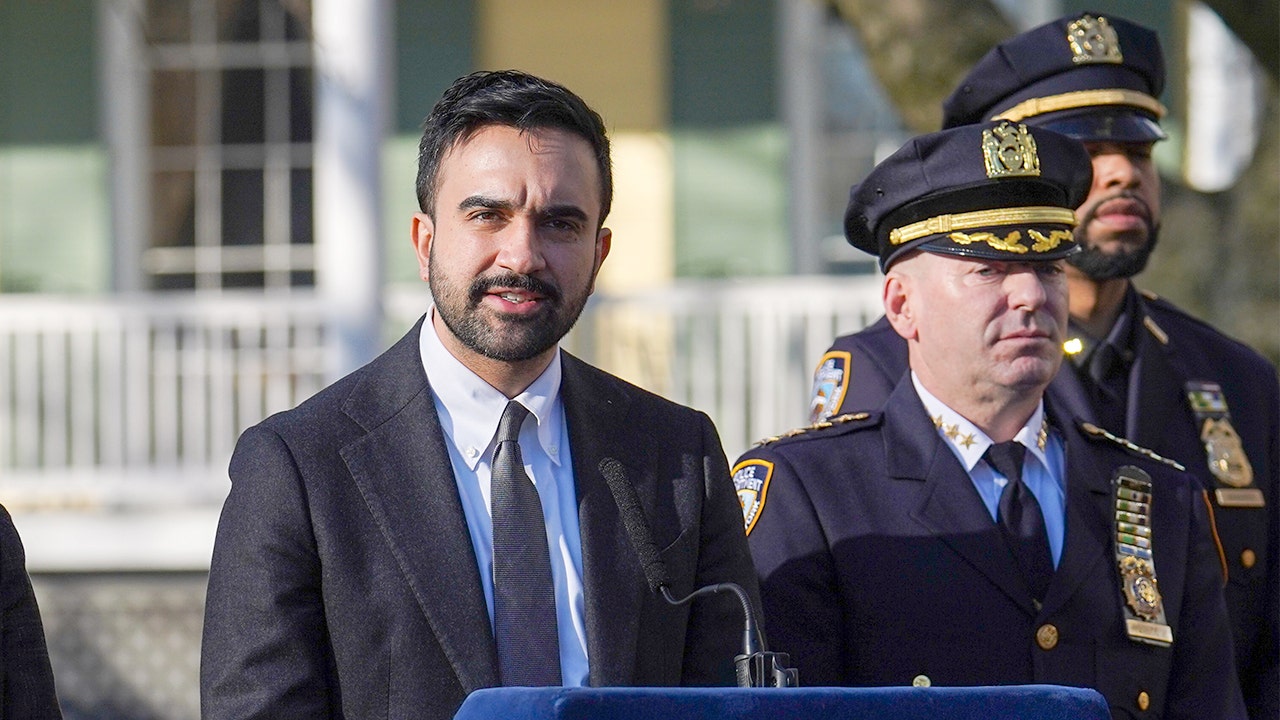
New York City Mayor Zohran Mamdani faced scrutiny following Saturday’s ISIS-inspired terror attack outside his home in Manhattan.
Shortly after the suspects, described in reports as Pennsylvania Islamic bomb throwers, allegedly threw the devices, Mamdani released a statement that also addressed protesters present at the demonstration.
After addressing the White supremacists, whose demonstration was reported to be peaceful, he wrote: “What followed was even more disturbing. Violence at a protest is never acceptable. The attempt to use an explosive device and hurt others is not only criminal, it is reprehensible and the antithesis of who we are.”
Some commentators observed that the mayor’s statement specifically called out the anti-Muslim contingent while not addressing the alleged attackers’ reported motivations.
The New York Times ran the headline, “Mamdani Chooses His Words Carefully After Alleged Terror Attack.”
The headline noted the mayor’s careful choice of words.
As additional reporting has emerged, some sources indicate the suspects were motivated by objections to perceived insults to the Prophet Muhammad.
Some reports say the suspects shouted “Allahu Akbar,” similar to the shooter in Austin, Texas, on March 1, who was reported to have worn clothing bearing religious references. Commentators have questioned whether officials have fully addressed potential motives.
Critics have argued that the religious or ideological dimensions of the incident should be acknowledged more directly.
Following the attack, Mamdani hosted Mahmoud Khalil at Gracie Mansion for dinner; Khalil has been a prominent campus activist and has been subject to immigration proceedings.
Photos showed New York City’s first lady, Rama Duwaji — who has been reported to have “liked” a number of social media posts following the Oct. 7 attack on Israel — serving a smiling Khalil. The images drew public attention and prompted discussion.
You might recall that the Trump administration sought to deport Khalil over his role in organizing protests that disrupted Columbia University and other parts of the city, according to earlier reports.
Some observers questioned why Mayor Mamdani hosted Khalil so soon after the alleged terror attack.
MAMDANI’S WIFE LIKED SOCIAL MEDIA POSTS ‘CHEERING ON’ HAMAS’ OCT 7 MASSACRE OF ISRAELIS: REPORT
Critics described the timing as insensitive.
Images of Khalil and Duwaji together prompted criticism from some who viewed the meeting as politically provocative.
Others argued that attention should have been given to law enforcement officers who responded to the incident, including NYPD Chief Aaron Edwards, for their actions on the scene.
Commentators highlighted those officers’ swift response as an example of public service and suggested that honoring first responders could be appropriate.
Mamdani’s response has been criticized amid reports that the attack could have resulted in greater loss of life. Critics contend his remarks shifted focus away from the alleged attackers and questioned his decision to host Khalil.
Some commentators urged that community and religious leaders, including prominent Muslim voices, should unequivocally condemn terrorism and clarify their positions on extremist violence.
City officials and residents expressed concern about security in New York City, long a target for extremist attacks, and debated municipal leadership’s approach to confronting these threats.
Some critics pointed to the mayor’s responses on related rhetoric, such as statements invoking “Globalize the Intifada,” as lacking sufficient clarity to address calls for violence.
The debate over the mayor’s actions and the city’s response continues.
