
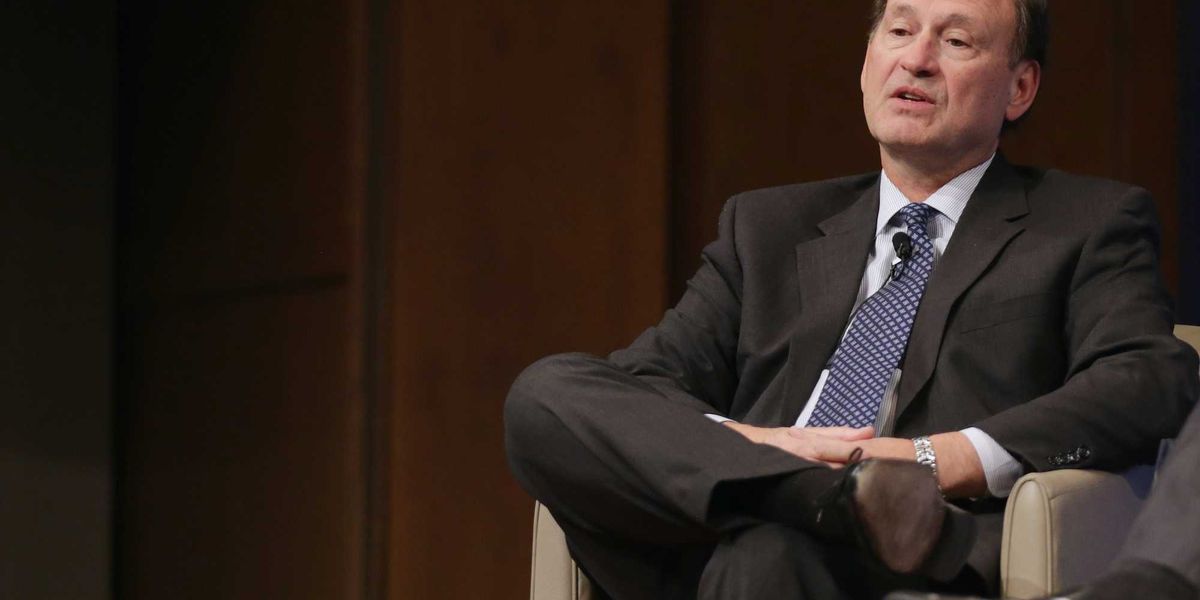
Justice Samuel Alito is putting a sharp spotlight on the ugly reality of political violence, calling out the way threats can chill public life and poison trust in the system. At the same time, fresh chatter around his future on the Supreme Court has opened the door to questions about timing, legacy, and what a possible retirement next year could mean for the bench.
Alito’s warning lands in a moment when heated rhetoric and real-world intimidation have become part of the national backdrop. The concern is not abstract, since threats aimed at public officials, judges, and their families can distort decision-making and make civic duty feel more like a gauntlet than a calling.
That matters even more for a justice like Alito, whose opinions have already made him a lightning rod in the post-Dobbs era. The Dobbs decision reshaped the legal and political landscape, and the backlash that followed only deepened the sense that the Court has become a battlefield for America’s most bitter fights.
When political violence enters the picture, it does more than scare people. It signals that disagreement is no longer being treated as disagreement, but as something closer to enmity, and that shift can warp everything from public debate to personal safety.
Alito’s remarks also invite a tougher look at the human side of serving on the Supreme Court. Justices live with constant scrutiny, and every vote can trigger a wave of praise, fury, or threats that follows them far beyond the marble walls of the Court.
The retirement buzz adds another layer of tension. If Alito were to step down next year, it would immediately set off a major political scramble over the direction of the Court, especially with conservatives eager to protect the current balance and Democrats looking for any opening to shift it.
Supreme Court retirements are never just personal decisions. They ripple through confirmation battles, shape the timing of presidential influence, and can lock in a legal direction for a generation, which is why every whisper about a justice’s plans gets dissected so quickly.
For Alito, the stakes are bigger than his own seat. His legacy is tied to some of the most consequential judicial fights of the modern era, and any exit would come with immediate questions about whether the Court is moving into a new phase or simply extending the one already underway.
There is also a broader cultural point hanging over all of this. Political violence thrives when people stop seeing opponents as citizens with different views and start treating them like enemies who need to be crushed, and that mindset is corrosive no matter which side is speaking.
The Supreme Court has become one of the clearest symbols of that pressure. Every major ruling now lands in a country primed to react loudly, and justices are expected to hold the line while facing anger from activists, pundits, and lawmakers who rarely bother with restraint.
That is why Alito’s focus on threats feels so relevant. It cuts through the noise and points to a basic truth: a legal system cannot function well when intimidation becomes normal, and the people who serve in it should not have to brace for fear as part of the job.
Still, the retirement speculation refuses to fade because the Court itself has become such a central prize. A single departure can reshape everything from abortion law to regulatory power, and even before any formal announcement, the guessing game begins to move on its own momentum.
In the middle of that swirl, Alito remains one of the most closely watched figures on the bench. His words about political violence carry weight precisely because they come from someone who knows how much is at stake when public anger slips past the point of reason.
