
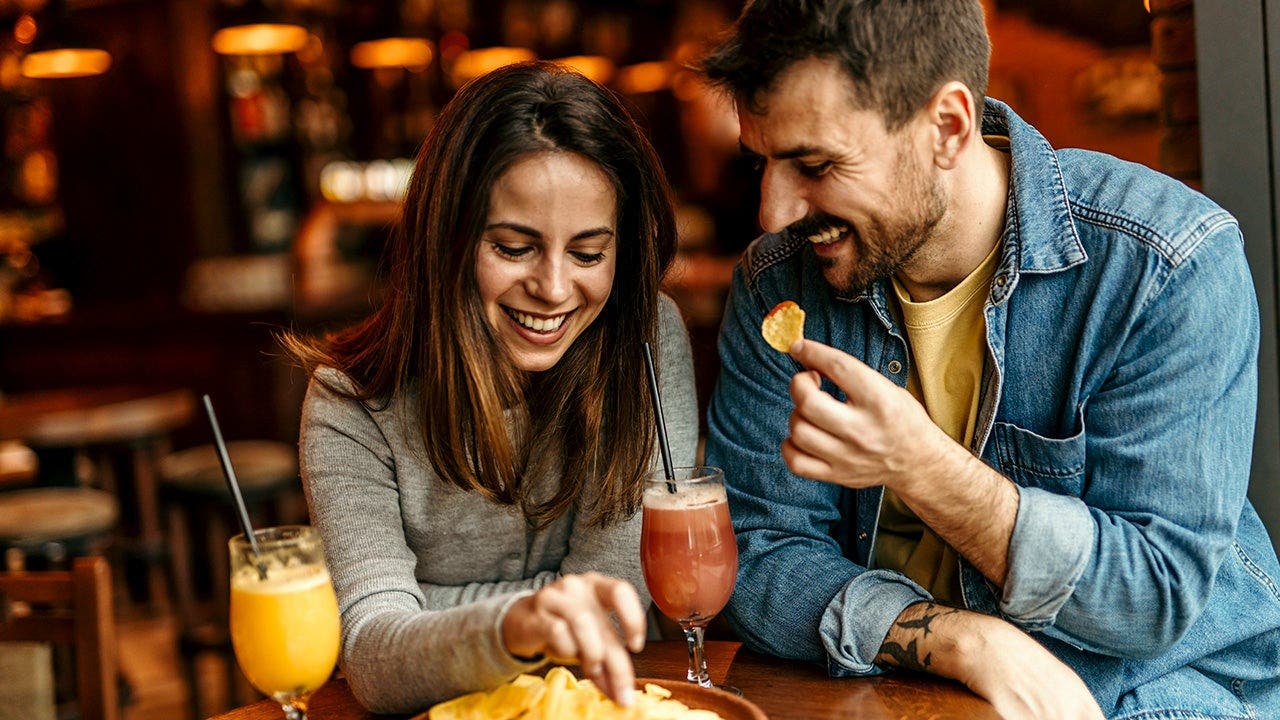
This piece explores why a night of drinking often ends in a bag of chips, how hormones like FGF21 may shift taste toward savory foods, and why ultra-processed diets amplify overeating. It looks at population survey findings linking alcohol use with higher savory intake, the researchers’ interpretation of hormone-driven cravings, practical limits of the evidence, and straightforward tips from a registered dietitian to blunt the late-night binge cycle.
Lots of us know the ritual: a few drinks, then a craving for salty, savory snacks. Scientists now point to biological signals that nudge those cravings, not just willpower or habit. That shift in preference can turn a casual snack into a caloric avalanche when combined with certain kinds of food.
Alcohol itself adds energy to the day, but how many extra calories you rack up depends on what else you eat. Research findings have been all over the map, in part because drinking doesn’t act in isolation. The study authors say context matters: your meal choices and the food environment change the outcome.
One hormone under scrutiny is FGF21, described by researchers as “a hormone that increases savory (umami) preference and reduces sweet preference,” and it could help explain why the thirsty snack attack leans toward salty and meaty flavors. In food environments where meals are real and protein-rich, that craving helps guide people toward satisfying, nutrient-dense choices. When the environment is full of processed impostors, a biological nudge can backfire.
Ultra-processed options often taste like high-protein foods but deliver little actual protein, and the team calls those products “protein decoys.” Because the body still seeks protein, people keep eating beyond satiety, chasing satisfaction that never arrives. That mismatch can seriously inflate daily energy intake, especially on nights when alcohol loosens inhibitions.
Survey work analyzed interviews with more than 9,000 Australian adults and found clearer patterns: people who reported drinking also reported eating more savory items and fewer sweets compared with non-drinkers, and their savory consumption rose on drinking days. In one scenario, those who combined drinking with a savory, low-protein, high-fat pattern tied to ultra-processed diets consumed roughly 40% more calories than recommended for a day, before you even add the alcohol.
The researchers even put the idea bluntly: “Results suggest that alcohol may have contributed to the obesity epidemic,” because alcohol appears to magnify appetite and, in processed-food settings, drives overconsumption of unsatisfying items. They also noted a key gap: their work did not measure FGF21 directly, instead applying prior findings to interpret the patterns they saw. The study leans on survey data, so it carries the usual limits of self-report and secondary analysis.
Registered dietitian Morgan Beemiller offered practical strategies to blunt the snacking trap and echoed the biological angle with this line: “Alcohol is known to affect several biological and behavioral systems that influence food cravings.” Her top move is to eat a solid meal beforehand. “Include protein, fiber-rich carbohydrates and healthy fats,” she advised, citing meals like chicken, rice and salad or salmon, potatoes and broccoli as sensible pre-drink options.
She also recommends planning late-night food in advance: “Decide on your late-night food before you start drinking,” and keep minimally processed snacks like nuts, cheese, fruit, hummus, vegetables and hard-boiled eggs on hand. Stay hydrated, alternate alcoholic drinks with water, and pick lower-sugar options such as dry wines, light beers or cocktails made with fresh juice. “Choose alcohol for enjoyment, not stress management,” is the final bit of advice to keep the behavior intentional rather than reactive.
