
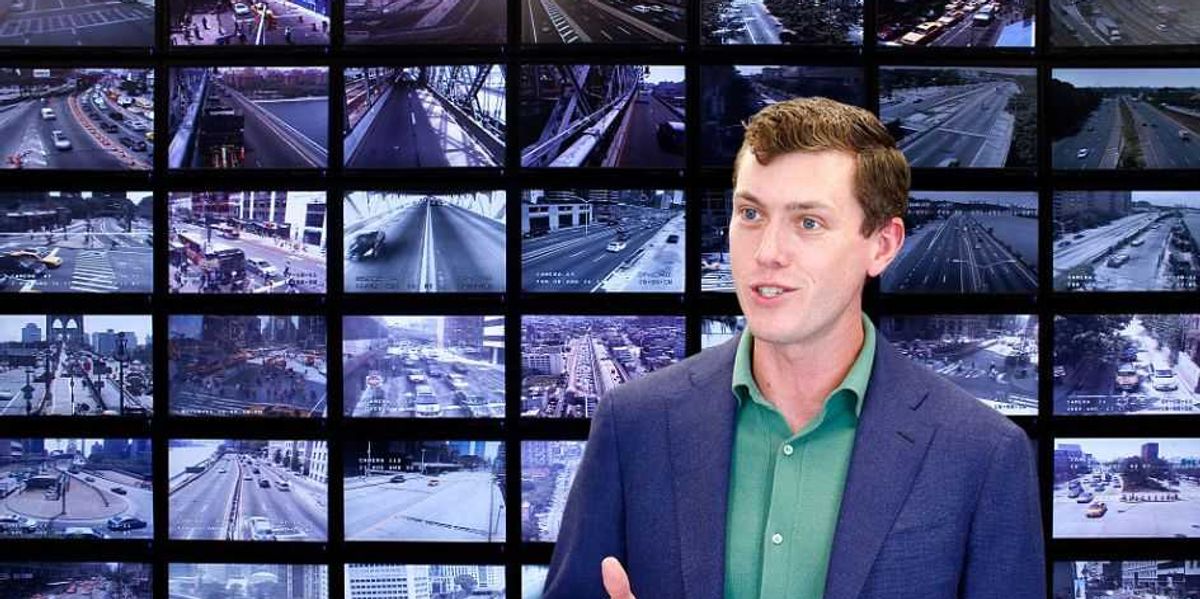
This article digs into a startling moment when the leader of a major AI surveillance company labeled volunteers who map public cameras “terroristic,” and explores what that remark reveals about transparency, public consent, and how communities respond when tracking technology is rolled out without wide debate.
A company CEO used the phrase “terroristic organization.” to describe a volunteer map of automated license plate readers, and that choice of words landed like a gut punch to anyone worried about civil liberties. The group simply catalogs cameras visible in public spaces, yet the label shifts scrutiny from the technology to the people documenting it. That shift matters because language shapes how debate is framed and who gets treated as a threat.
The volunteers argue they are doing basic civic work: pointing out where taxpayer-funded surveillance tools sit in neighborhoods. The business pushing these systems says publishing locations could help criminals, and the industry has leaned into protecting deployments as necessary for safety. Those positions collide over a core issue: should communities know where persistent tracking hardware is placed?
Technology has raced ahead of conversations about limits and oversight. Modern systems can do more than read plates; they can log make, model, color, aftermarket features, and other visual cues to follow vehicles even when plates are obscured. Every upgrade broadens the amount of movement data collected and makes it easier to link location points into travel histories.
That capability raises very practical questions most people expect to be answered before sensors spread across town. Who owns the data? Who can query it? How long is it kept? These are not theoretical concerns. They speak to whether a public wants continuous location logging as part of daily life.
At one point in the discussion the CEO said, “We’re not forcing Flock on anyone.” and that line deserves a close look. Choices about public hardware are often made by local councils, contracts, and vendor relationships, not by direct citizen votes, so it can be hard to accept that such networks are optional in practice. The sense of imposition fuels anger and helps explain why some people take direct action against cameras.
Vandalism of surveillance gear has occurred in multiple countries, reflecting a rising frustration that installation felt imposed and opaque. Destroying property is illegal and not something to cheer, but these incidents are a symptom of a larger problem: people feel excluded from decisions that affect their privacy. Policymakers and companies ignoring that frustration are gambling with public trust.
The debate has already flipped the script in a troubling way: the devices themselves rarely face the blunt questions they deserve, while the people documenting them do. When accountability work becomes the thing that is vilified, the focus moves away from whether expansion is appropriate and toward policing dissent. That inversion undermines healthy civic oversight.
“Americans can support law enforcement while also believing there must be limits on mass surveillance.” This idea sits at the center of many conversations about balance: support for safety does not have to mean accepting unchecked systems that log everyday movement. Asking for clarity and constraints is part of ordinary civic responsibility, not extremism.
The CEO’s remarks pulled back a curtain for some citizens: they revealed how businesses and tech can react when challenged. Instead of engaging concerns about oversight and retention policies, the conversation steered toward silencing critics. That reaction only deepens skepticism about the motives behind rapid deployment of tracking networks.
So let me get this straight: We did not vote to add these surveillance cameras, and letting people know where they are located makes us the bad guys. This is not a joke. I guess I’m “terroristic” for discussing this and telling everyone about it.
