
A major bet on artificial intelligence is reshaping political spending ahead of the midterms, and this piece walks through who’s funding what, how the money flows across party lines, the public mood about AI, and the counter-efforts pushing for regulation. You’ll read about a super PAC that has pulled in nine-figure sums, the range of its targets, the polling that complicates its pitch, and the rival network mounting a policy push in response. This is a clear look at money, messaging, and the political tug-of-war over AI as election season approaches.
Venture capital dollars have poured into a super PAC that’s centered on driving a pro-AI innovation agenda in Washington, and the scale is now eye-popping. What began as industry-friendly fundraising has turned into broadly targeted campaign spending across multiple states, with the PAC willing to back candidates in both parties when they align with a light-touch approach to AI policy. That strategy puts innovation first and regulation second, and it’s buying national reach fast.
Leaders behind the PAC have reported sums that push into nine figures, and that cash isn’t sitting idle; it’s being deployed to primary fights and general election campaigns. In Texas, several Republican hopefuls got sizable support, and the group has also moved money into competitive districts in Illinois and New York where candidates showed sympathetic views on AI. The message is consistent: candidates who promise a future-focused agenda for AI innovation are worth investing in.
‘About half of Americans are more concerned than excited about the increased use of AI in daily life.’
The PAC’s giving mix shows a willingness to play both sides of the aisle, a tactic meant to keep tech-friendly voices in power regardless of party labels. On the Republican side, notable transfers went to candidates in multiple districts who embraced pro-tech platforms. On the Democratic side, former officeholders and current challengers who have signaled openness to industry priorities received comparable backing.
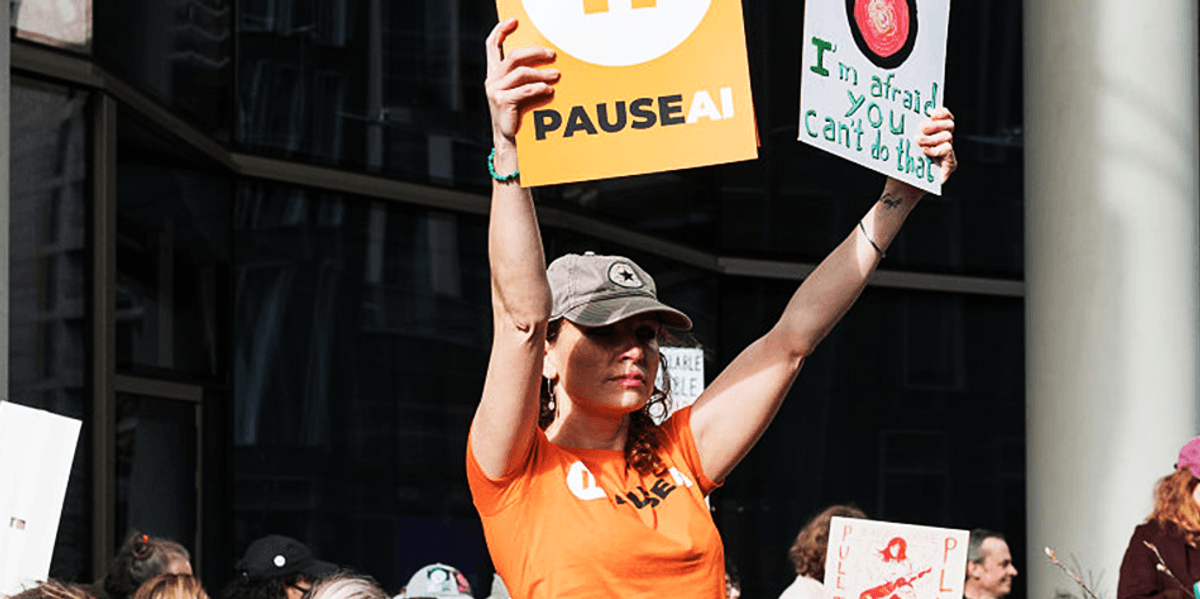
Public opinion complicates the PAC’s narrative, though, because national polling consistently finds Americans split on whether AI is a blessing or a threat. About half of respondents express more concern than enthusiasm when they think about AI’s growing role in daily life, and a significant share say it could hurt creativity or human connection. That balance of worry and curiosity means political messaging has to work twice as hard to convert general voters, not just donors and tech insiders.
Beyond the binary of enthusiasm versus fear, demographic subtleties matter: younger voters and men tend to report more favorable views of AI, while older voters and women are more likely to view it negatively. Those slices of opinion have electoral consequences, because candidates in swing districts must appeal to skeptical constituencies as well as to tech-savvy donors. The PAC’s calculus is clear: bankroll friendly candidates and try to change the narrative through elected office.

Not everyone is content to let the industry set the agenda, though; another organized effort has moved to counterbalance pro-innovation spending with a regulatory-first message. That rival network is pledging significant resources to back candidates who push for guardrails on AI, framing their pitch around concerns for kids, workers, and consumers. The result is a high-stakes policy fight where both money and narratives will be decisive ahead of November.
The dynamic is roughly straightforward: one side wants lighter regulation to accelerate development and economic opportunity, while the other insists on protective measures to manage risks. For Republican voters and candidates, the choice often centers on whether innovation and competitiveness should lead, with regulation tailored narrowly rather than broadly. Either way, this surge in targeted spending guarantees AI will be a central talking point on the trail and in committee rooms alike.
