
Checklist:
• AI robot pet that learns a household over time
• 4K camera, motion tracking, and family moment capture
• Emotional recognition and routine-based interaction
• Remote viewing, two-way calls, and home access concerns
• Red Heart memory module and long-term data carryover
• Privacy, security, and child-related questions
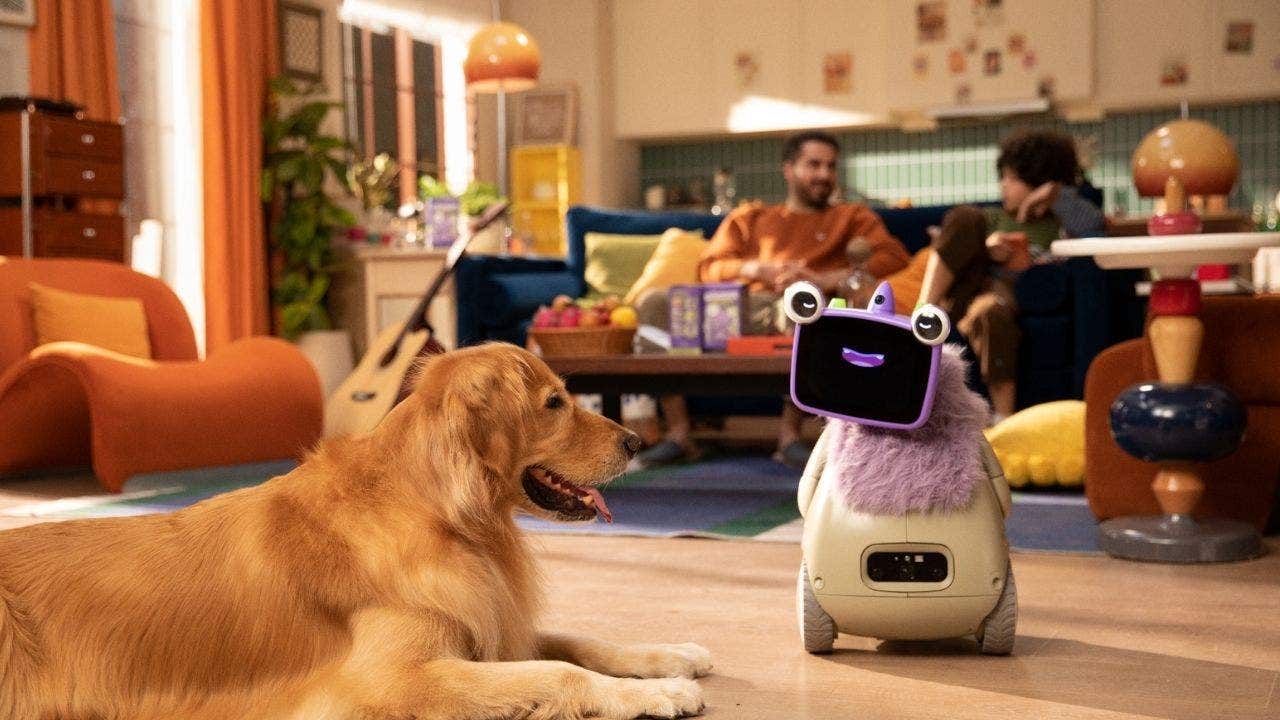
OlloNi SS1 is not trying to be another clunky household gadget. It is built to move through a home, recognize the people and pets inside it, and slowly adapt until it feels less like a device and more like part of the furniture. That is exactly why it stands out, and why it also raises some uncomfortable questions.
The robot uses eye screens for expressions, while a separate display handles interaction and information. A 4K camera with motion tracking helps it identify family members and pets, then learn routines and preferences as it goes. In other words, this thing is designed to notice a lot.
That attention extends beyond simple recognition. OlloBot says OlloNi can read tone of voice, facial expression, and behavioral patterns to pick up on emotional cues. If someone seems down, the robot is meant to respond on its own instead of waiting for a command, which sounds helpful until the privacy side of that intelligence comes into focus.
One of the most appealing features is also one of the most invasive. With permission enabled, OlloNi can detect moments like laughter or celebrations, then capture them on its own and even turn them into edited home videos with music. For families who are always reaching for a phone to record everything, that feels slick, but it also means a roaming camera is deciding what matters inside the home.
Remote viewing and two-way voice and video calls add another layer. A moving robot can become a live window into a house, which could be useful for checking in on relatives or staying connected from far away. It also means the security burden gets heavier fast, because anything that can move, record, and connect remotely deserves serious protection.
The strangest and most memorable feature is the detachable Red Heart module. OlloBot says this removable piece holds long-term memories and personalized information, with enough storage and memory to carry those details into a future robot if the original is replaced. That makes the SS1 feel less disposable than a normal gadget and more like a digital family archive.
There is something genuinely compelling about that idea. Most smart devices age out, get tossed, and take their “personality” with them, but OlloNi is built around continuity. If the plan works, years of routines, preferences, and shared moments could follow the household into a newer version of the same robot.
That is also where the alarm bells start ringing. A robot with this much awareness does not just need a cute design, it needs clear rules about where data lives, who can get to it, and how long it sticks around. If the Red Heart is carrying family history, then losing it or exposing it could be a bigger problem than losing a phone.
OlloBot says the SS1 uses local encrypted processing and includes a physical camera cover, which is a solid start. Still, any home robot that recognizes faces, tracks behavior, and stores memories should come with much sharper explanations about deletion, storage, and account access. Families should know exactly what stays on the device, what gets shared elsewhere, and how to wipe it clean if needed.
There is also a child privacy wrinkle that deserves more than a quick shrug. The company has described children separated from their parents by distance as possible users, yet its broader privacy language says the services are not intended for children. That may not be a direct contradiction, but it does show why product-specific rules matter when the device is meant to live inside family life.
The sensors do not stop at faces and voices, either. OlloNi also tracks temperature, humidity, ambient light, and spatial details, giving it more context about the environment around it. OlloBot says those tools can support reminders and brief activity records rather than nonstop recording, but the line between convenience and overreach can get blurry fast.
For now, the SS1 is still more of a preview than a product on shelves. OlloBot postponed its crowdfunding launch, saying recent changes in the regulatory and market access environment got in the way, and the company has not announced a new date. That delay only makes the privacy conversation more relevant, because the tech may be coming whether people are ready or not.
The bigger picture is simple. Home robots are no longer just about chores, and this one is proof that the next wave will be about memory, emotion, and presence. The real question is not whether an AI pet can learn your household, but how much of that household should be allowed to live inside the machine.
