
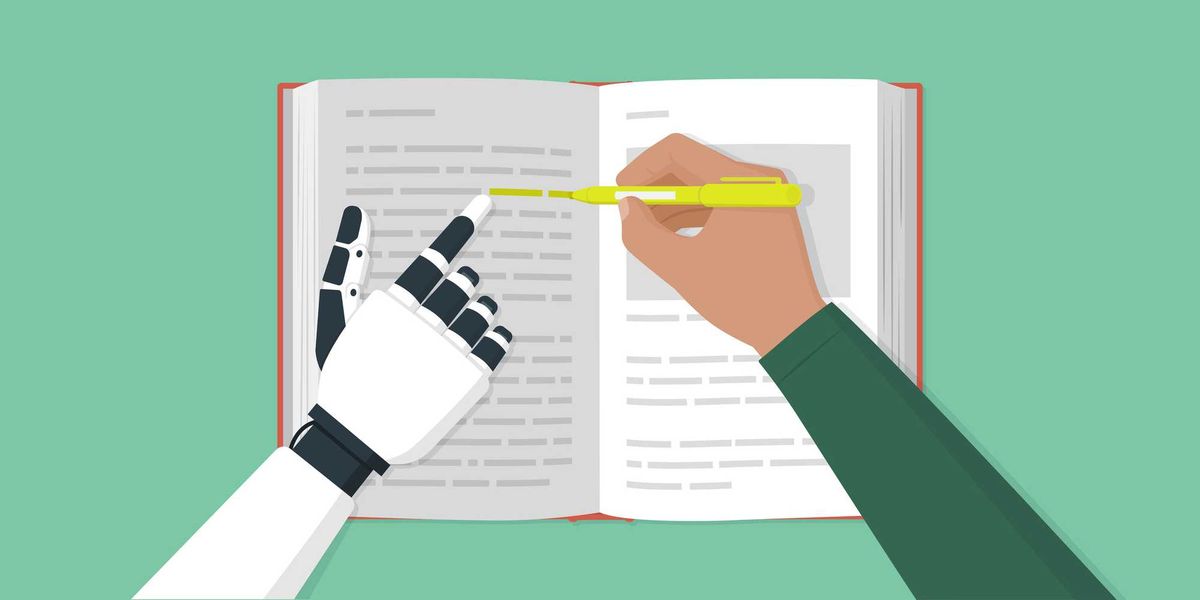
Artificial intelligence is moving fast, and schools are already feeling the squeeze. The bigger question is not whether the technology can help, but who gets protected when it starts creeping into places meant for real human judgment, like classrooms and district offices.
Teachers are not interchangeable cogs, even if some systems act like they are. They do far more than deliver lessons, because they read the room, notice when a student is struggling, and adjust on the fly in ways software still cannot match.
The promise of AI sounds tidy on paper. It can grade faster, sort information, and churn out lesson plans in seconds, but schools that lean too hard on convenience can end up trading wisdom for speed.
That is where bureaucracy tends to get dangerous. Once administrators see a shiny tool that looks cheap and scalable, the temptation is to use it as a workaround for hiring, training, and supporting actual educators.
Students pay the price when that happens. A machine may be able to spit out feedback, but it cannot replace the trust built between a teacher and a child who needs patience, structure, and sometimes a little tough love.
There is also a basic fairness issue. If schools use AI to cut corners while still demanding the same results from teachers, the whole setup becomes another burden pushed downward onto the people closest to the kids.
District offices love talking about innovation, but innovation is not the same as good judgment. A tool can be impressive and still be a bad fit for a place where values, character, and real attention matter every single day.
Parents know this instinctively. They want classrooms led by adults who know their children, not by layers of software that may be useful in the background but should never become the face of education.
The rush to automate can also flatten the profession itself. When teachers are reduced to supervisors of digital systems, the job loses much of its craft, and schools lose the personal touch that makes learning stick.
There is room for AI in education, but it belongs in a supporting role. It can help with routine tasks and free up time, as long as it does not become an excuse for administrators to shrink human oversight or sideline the very people students depend on.
That line matters because schools are not factories. They are places where young people develop discipline, confidence, and habits that shape the rest of their lives, and those things are still best taught by actual people.
So if AI is going to enter the classroom, it should first answer to the district office, the parents, and the teachers who have to live with the consequences. The technology can be useful, but it should never be allowed to pretend it understands children better than the adults sworn to guide them.

1 Comment
CUT admin overhead
streamline organz
refund Budget
Merge positions
shut schools down
Use 3D anime for History, Science, Voc Tech classes
Adapt, adopt
CUT admin at school district Hq
Nationwide
Compete for students