The film world just got a new kind of star and people are arguing about whether that is exciting or threatening. A London studio has built an AI persona and made a full movie around it, and the debate is now less about craft than what the next decade looks like for jobs and storytelling.
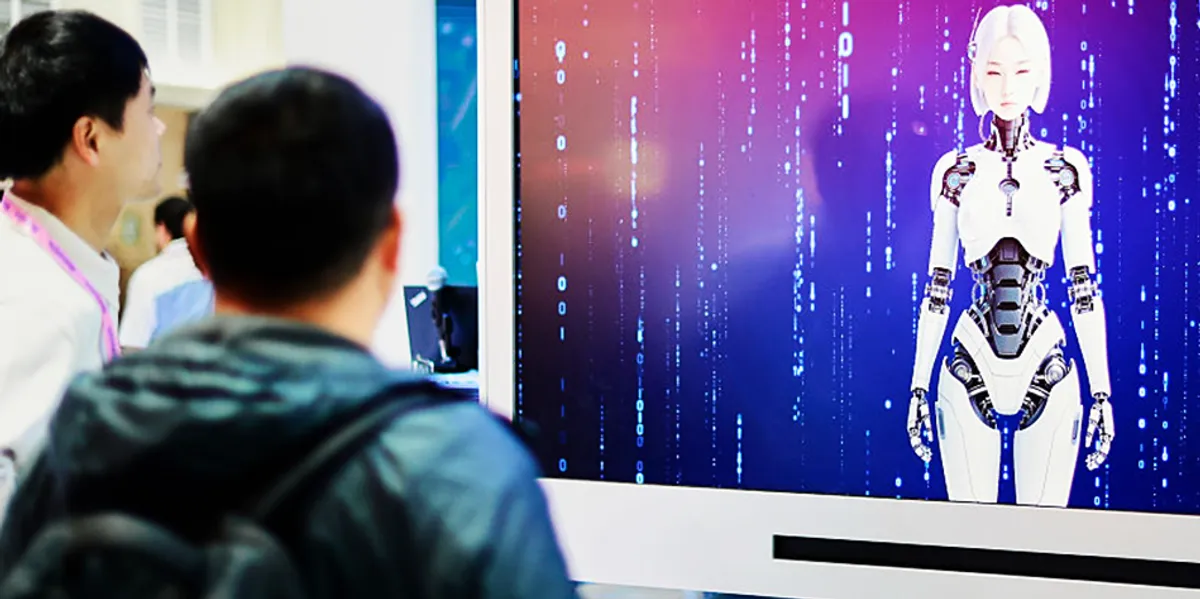
Particle6, led by founder Eline van der Velden, has introduced an AI character named Tilly Norwood and promoted a feature called Misaligned that leans into machine-generated performance. The project is being talked about as a comedy-drama and, in some descriptions, a “coming-of-age story infused with existential AI chaos.” That phrasing captures both the creative pitch and the uneasy curiosity around the idea.
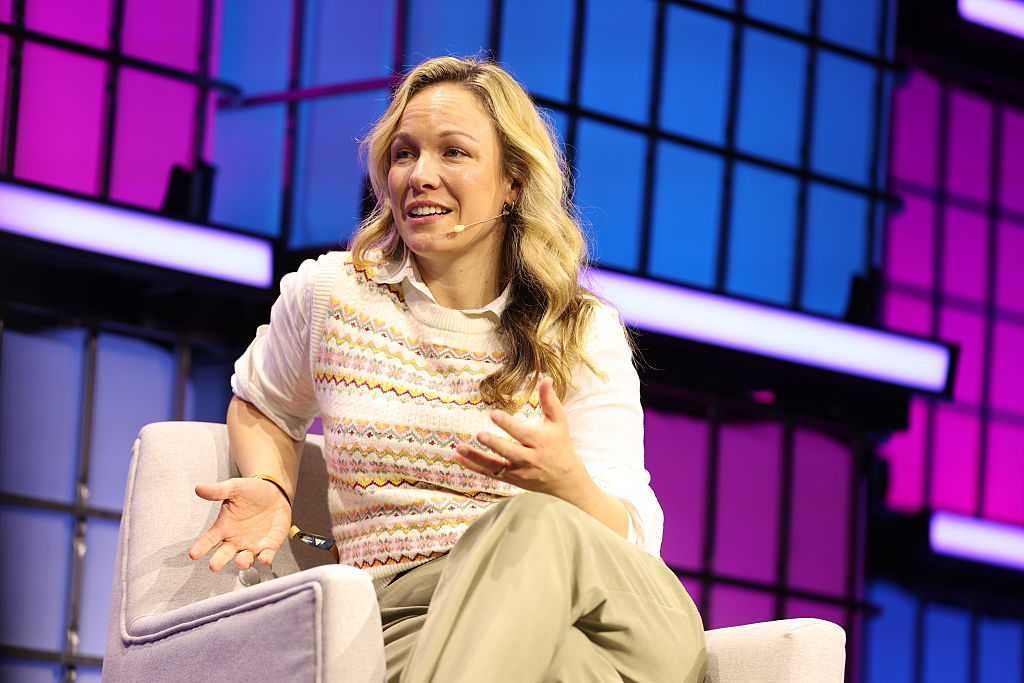
Van der Velden has framed the whole effort as part experiment, part public service, telling audiences the point isn’t pure box office calculus. “It’s less about, you know, making this a box office hit and more about preparing people for the transition that we’re about to go through, so retooling, reskilling people, and getting them ready. I think that’s the most important thing to me,” the CEO told the host. That line underlines how she sees the movie as a bridge to a workforce that will increasingly work with AI tools.
Her tone often turns insistent when she talks about resistance. ‘We have to accept that this is going to be part of our every day.’ She warned that people who ignore the change risk being left behind, and she pushed companies and workers toward retraining and learning AI skills now rather than later.
Particle6 says Tilly can play multiple roles and that blending AI art with traditional filmmaking is where they see value. Studio leaders point to collaborations and celebrity experiments as signs the industry is warming, and they argue hybrid approaches can expand storytelling tools without replacing human craft entirely.
Not everyone agrees, and pushback has been visible and blunt. “Nobody likes her because she’s not real and that takes the part of a real person,” Freeman stated. “So it’s not going to work out very well in the movies or in television. … The union’s job is to keep actors acting, so there’s going to be that conflict.” Those words capture an anxiety about authenticity and labor protections that goes beyond a single experiment.
Van der Velden doesn’t shy away from the controversy and defends her decision to call the AI an actor because of its range and adaptability. “The reason I called her an actor was that she could play multiple characters, and I was an actor, and I feel like I’m creatively fulfilled by her being able to create all these, you know, play all these different characters in different films.” Her personal history in performance shapes how she describes the work and the satisfaction it gives her creatively.
At the same time, the team behind the film stresses that human skill remains central to the results they want to achieve. “AI can support premium narrative filmmaking, but only with substantial amounts of human craft, skill, judgment, and time. That’s not a limitation of the technology. That’s the point.” That line acknowledges both promise and friction: tools expand possibilities, but they also demand new types of labor and oversight.
The project sits at the intersection of excitement and caution: some see new kinds of characters and faster production, others see threats to jobs and storytelling integrity. As this experiment reaches wider audiences, the industry will have to reckon with whether it treats AI as a creative collaborator, a cost-cutting tool, or something in between.