
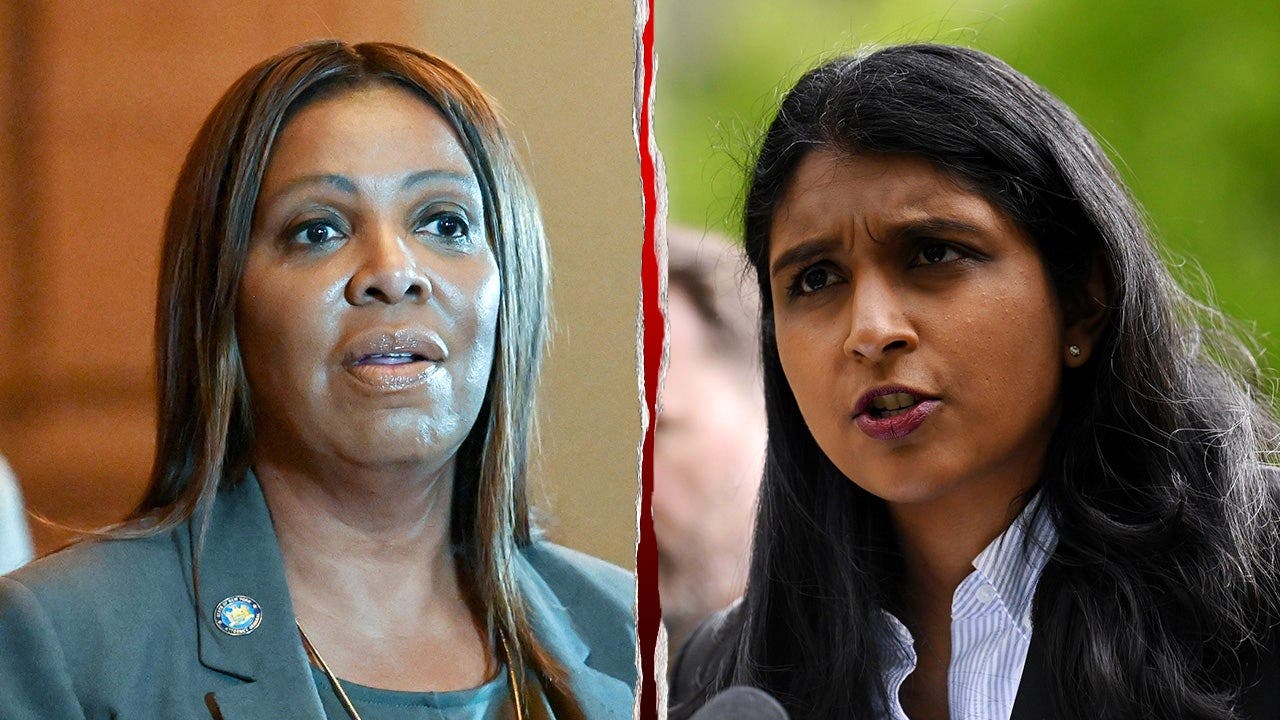
New York’s attorney general race just got a lot sharper, with Saritha Komatireddy rolling out a sharp-edged counterattack aimed straight at Letitia James. The move is built to put James on the defensive, spotlighting crime, fraud, homelessness, and public safety while accusing the incumbent of being more interested in high-profile fights than the day-to-day work of the office.
Komatireddy’s campaign released a mock 52-count indictment that reads like a courtroom drama turned into a political flyer. It accuses James of ignoring mentally ill people living on the streets, repeat offenders, hate crimes, and fraud, all while staying locked in a public feud with President Donald Trump. The timing matters too, since the two were set to meet Thursday night for their first televised debate of the general election.
The stunt is clearly designed to flip James’ own law-and-order style back onto her. Komatireddy, a former federal prosecutor, has leaned hard into her résumé, pointing to convictions involving Islamist terrorists and Mexican drug cartel leaders as proof she knows how to handle serious cases. Her campaign’s message is simple: if James wants to talk accountability, then she should be ready to wear the label herself.
One part of the indictment-style release focused on a hot-button New York issue involving rape prosecutions and a law that can limit charges in intoxicated-victim cases. Komatireddy argued that if a statute blocks prosecutors from doing their job, then the state’s top law enforcement officer should push to change it, not sit back and shrug. The language was pointed, accusing James of having years to act while showing little real urgency.
James’ team brushed it off as a political gimmick, not a serious governing critique. Her campaign says she is busy filing real cases in real courts, and points to a recent arrest tied to alleged Medicaid fraud as evidence that she is still pushing enforcement actions forward. That response is consistent with James’ broader pitch, which leans on a record of aggressive litigation and headline-grabbing cases.
Komatireddy’s side isn’t buying it. Her campaign argues that James has turned the office into a platform for politics, not a shield for ordinary New Yorkers. The critique lands hardest on public safety and quality-of-life issues, with the challenger claiming crime and homelessness have worsened while the attorney general chases bigger stages.
The argument is made more interesting by the setting. New York is still a deep blue state, and Komatireddy is running uphill in a race where Democrats hold the advantage. A Siena University poll last month showed James ahead 52% to 39%, though that margin had already tightened by five points over the previous month.
That narrowing gap is enough to make James pay attention, even if the numbers still favor her. Campaigns like this often turn on whether a challenger can make a race feel less predictable, and Komatireddy is trying to do exactly that by making James defend her record in public, line by line, with no comfortable room to hide.
James has spent her time in office taking on some of the biggest names in New York politics and business, including a civil fraud case against Trump and the sexual harassment investigation that helped force Andrew Cuomo out of office. Those fights made her a national Democratic figure, but they also handed Republicans an easy opening, since every high-profile case comes with questions about priorities, timing, and political ambition.
Komatireddy is betting those questions now carry more weight than the usual campaign noise. By turning the attorney general’s office into the target instead of the weapon, she is trying to make the race feel less like a routine rematch and more like a referendum on whether New Yorkers want more courtroom combat or more focus on the problems sitting right in front of them.
