
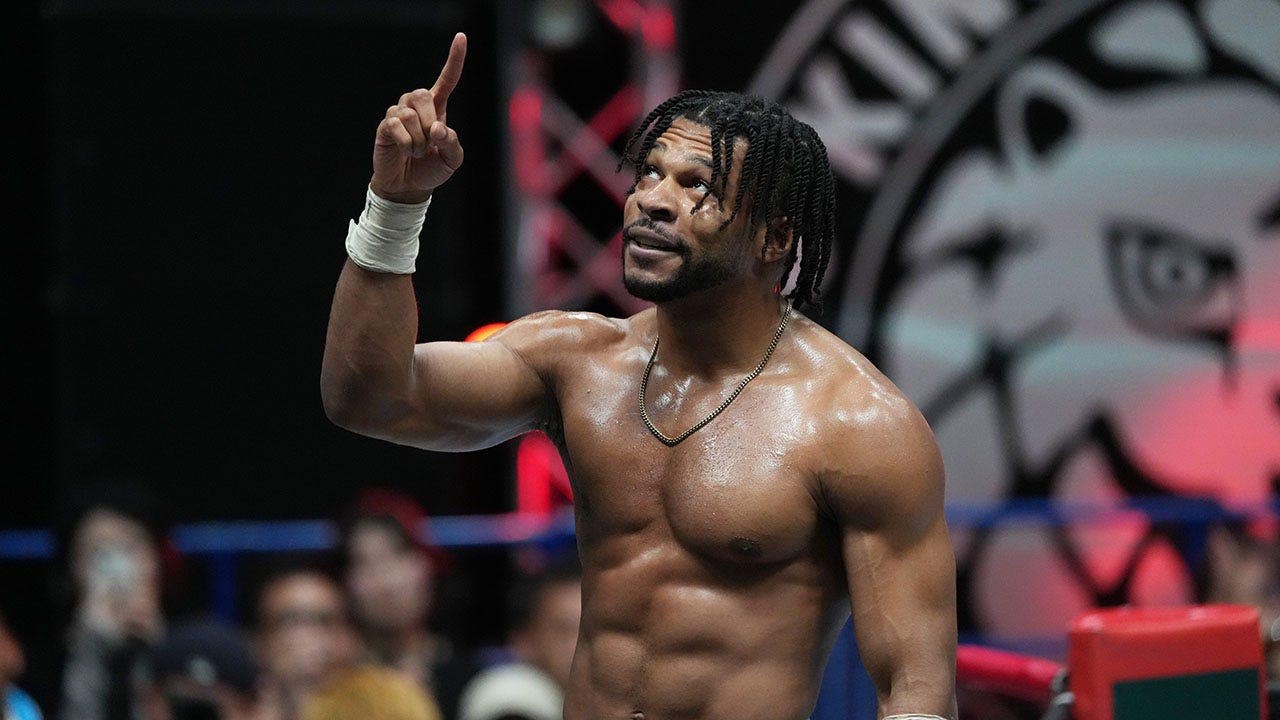
The fallout from All Elite Wrestling’s Double or Nothing pay-per-view shaped storylines and chemistry across a rare double-night broadcast, with tensions and surprises spilling into the Wednesday episodes of “Dynamite” and “Collision” and leaving fans and wrestlers adjusting to quickly changing momentum.
The night after Double or Nothing felt like an extended postgame, with key winners and losers carrying new urgency into the televised pair of shows. Matches on “Dynamite” and “Collision” reflected those outcomes, and the company leaned into the ripple effects when building the next wave of feuds. That momentum shift became the central narrative for both broadcasts.
Several angles that started or escalated at the pay-per-view required immediate attention, so transitions on television were brisk and sometimes blunt. Wrestlers who came out on top received spotlight segments that reinforced their victory narratives, while those who came up short were written into recovery or retaliation beats. The creative tempo favored forward motion over slow-burn development this week.
Crowd reaction played a notable role in shaping how segments landed during the double episode. Hot responses amplified brief backstage confrontations and shorter matches, giving producers cues to extend or revisit certain moments. Conversely, lukewarm reactions erased time for slower storytelling and nudged the show back to essentials.
In terms of title scenes, Double or Nothing altered the pecking order and created immediate challengers who needed television platforms to justify their claims. Champions were placed on the defensive in quick follow-ups designed to underline vulnerability or reinforce dominance. Those championship beats drove several match bookings and promo priorities across both programs.
Backstage, the mood was a mixture of celebration and recalibration, with talent and staff balancing pride over big moments against the need to protect future plans. Wrestlers who delivered standout performances were nudged into extended push plans, while creative adjusted to ensure fresh opponents and believable rematches. That juggling act dictated much of the Wednesday scheduling.
Physical wear from a major pay-per-view always factors into the immediate aftermath, and Double or Nothing was no exception. A couple of performers worked through precautionary measures when taped or live segments required quick turnarounds. Medical updates and conservative booking choices influenced who appeared on which show and in what capacity.
Social conversation around the event skewed toward a few breakout matches and an unexpected finish that had commentators and fans debating implications. Those talking points were deliberately echoed on air to maintain momentum and ensure viewers who missed the pay-per-view felt the urgency. The company used television to steer the narrative and highlight what mattered most.
Creative shifts also meant some long-term arcs were temporarily paused in favor of capitalizing on Double or Nothing’s headlines. That pragmatic approach prioritized short-term ratings and social buzz, with a view to returning to deeper storytelling once the immediate heat cooled. Producers seemed comfortable trading nuance for amplified, week-to-week stakes.
Overall, the double episode format magnified the consequences of a single pay-per-view, forcing faster reactions and clearer stakes on both “Dynamite” and “Collision.” Wrestlers, producers, and audiences all navigated a brisk post-PPV landscape where every win or loss had to be explained and exploited quickly. The company now faces the challenge of turning that accelerated momentum into sustained, coherent storylines moving forward.
