
This piece looks at how Father’s Day surfaces a deeper truth about men in our lives: their quiet, steady contributions are often invisible until they vanish, while culture too often flattens men into stereotypes. It mixes a personal take with social data and a call to see men as more than caricatures, urging a mindset of complementarity rather than competition. The goal is simple: notice what men do, and value the steady work that rarely gets applause.
I grew up without a close bond with my father, and that absence left a mark. It was painful, but it taught me to notice the ways a missing presence reshapes a life. You learn to recognize the small things people do that only matter when they’re not there anymore.
There is an alternative perspective. Instead of caricatures, imagine men as steady contributors, quietly shaping households, workplaces, and friendships with consistent, often unspoken effort.
We now have mounting evidence that father-child interaction affects a child’s health and long-term success, and yet many children grow up without a father in the home. When those ties are absent the odds of poverty and poor outcomes rise, which tells us these relationships are not optional extras. That gap matters socially and economically in ways we rarely discuss plainly.
So why does our culture so often ignore or belittle what men bring to the table? Whether in TV, movies, or the workplace, men are frequently portrayed as clueless or worse, which flattens a complex reality into a punchline. That constant framing shapes what people expect and what men then feel they are allowed to be.
Polling captures part of this shift: a sizable share of Americans say entertainment and broader culture make it harder to feel proud of a traditional male identity. When media repeatedly presents young men as self-centered or crude, those images seep into public perception and make it easier to dismiss quiet acts of service. The stereotype becomes a default lens through which real people are judged.
The consequences are tangible. Too many men quietly step back from the workforce or civic life when their contributions are dismissed, and millions of prime-age men are currently out of the labor force. That withdrawal is a slow, unnoticed loss for families and communities, driven in part by a feeling that their role is no longer respected or needed.
I also want to be clear about real harms done by some men—those experiences are valid and deserve attention and justice. At the same time, letting the worst examples define every man makes it harder to see those who try to do right. Most people live in nuance, and painting everyone with one brush erases that nuance.
Many men are motivated by devotion, not dominance; they take on responsibility because they care about the people around them. You see it in dads who take extra shifts, in mentors who show up without fanfare, and in partners who shoulder chores without applause. These behaviors are common, not exotic, and they deserve recognition.
As a researcher and a woman who pays attention, I’ve watched how often men persevere without notice. They pursue growth quietly, accept accountability when they’re wrong, and repair the harm they’ve caused without expecting credit. Those are the acts that actually build healthy families and communities, even if they don’t make headlines.
There are men who have wrestled with their faults and chosen the harder path of steady improvement—becoming accountable citizens, loving partners, and reliable fathers. They admit mistakes, fix them, and keep showing up. That kind of gritty integrity matters far more than any trope critics throw around.
It’s tempting to frame progress as a zero-sum battle where one side wins only if the other loses, but that mindset narrows our options. Recognizing men’s strengths alongside women’s advances is not a threat to equality; it’s the only way to build stronger families and communities together. Complementarity beats rivalry when our aim is to lift everyone’s standard.
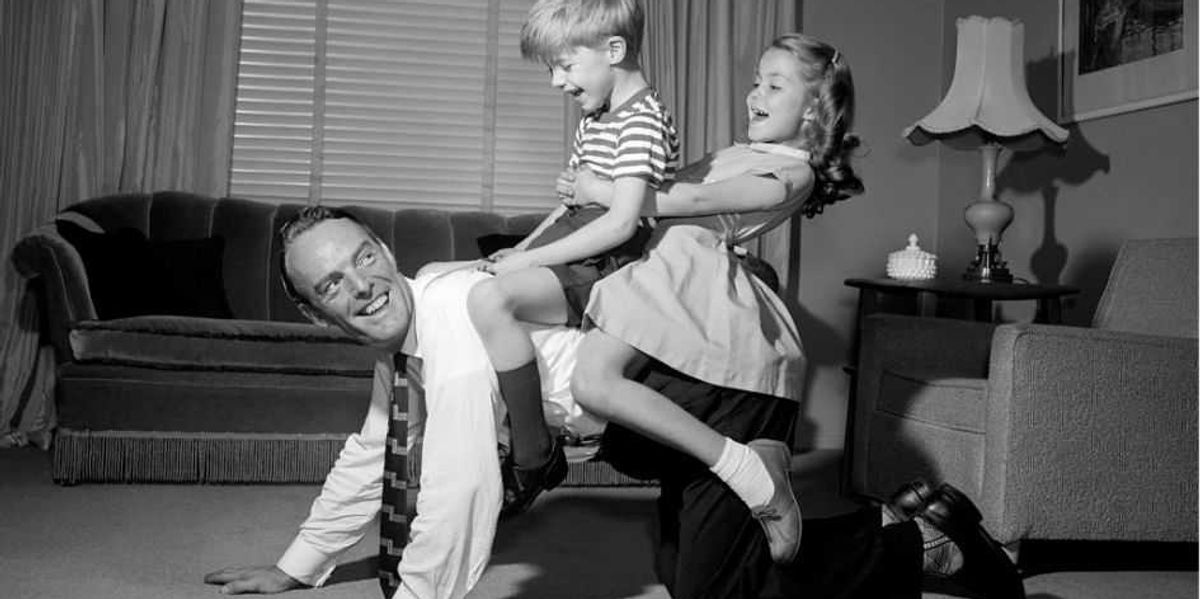
This Father’s Day is an opportunity to notice the unglamorous work men do: single dads who balance jobs and childcare, young men learning to be present, older men modeling responsibility, and widowers who keep going despite grief. These are real people with real sacrifices, not abstractions. Their daily constancy often goes unseen, but it holds families together in ways that publicity cannot measure.
