
The buzzy Gen Z horror film Obsession exploded into theaters and landed at the center of a debate: is it a cautionary tale about entitled “nice guys,” or a sharper critique of how young people mask authenticity with performance? This piece follows the film’s surprise box office run, the online shorthand that labeled it “Gen Z Fatal Attraction,” and a counterargument from BlazeTV host John Doyle who says the real thread tying the story to youth culture is inauthenticity, not manipulation. Along the way we look at the plot, the cultural shorthand around “nice guys,” and why Doyle thinks being performatively cool is the deeper problem driving loneliness for many young people.
Obsession opened in mid-May and quickly became a phenomenon, turning a tiny production budget into a massive worldwide haul. Reports note the film earned hundreds of millions despite costing less than a million to make, and a big chunk of that box office came from 18-to-34-year-olds. The film’s financial surprise helped sharpen the conversation about why it hit such a nerve among younger audiences.
Mainstream takes leaned into a tidy label: Gen Z had found a modern Fatal Attraction, a horror mirror for “nice guy” dynamics. In online slang, “nice guys” are the men who expect romance in return for basic politeness, and who seethe when their presumed entitlement is denied. The movie’s plot — a man trying to make his crush love him and the terrible fallout — fits that shorthand neatly and made the film easy to meme and debate.
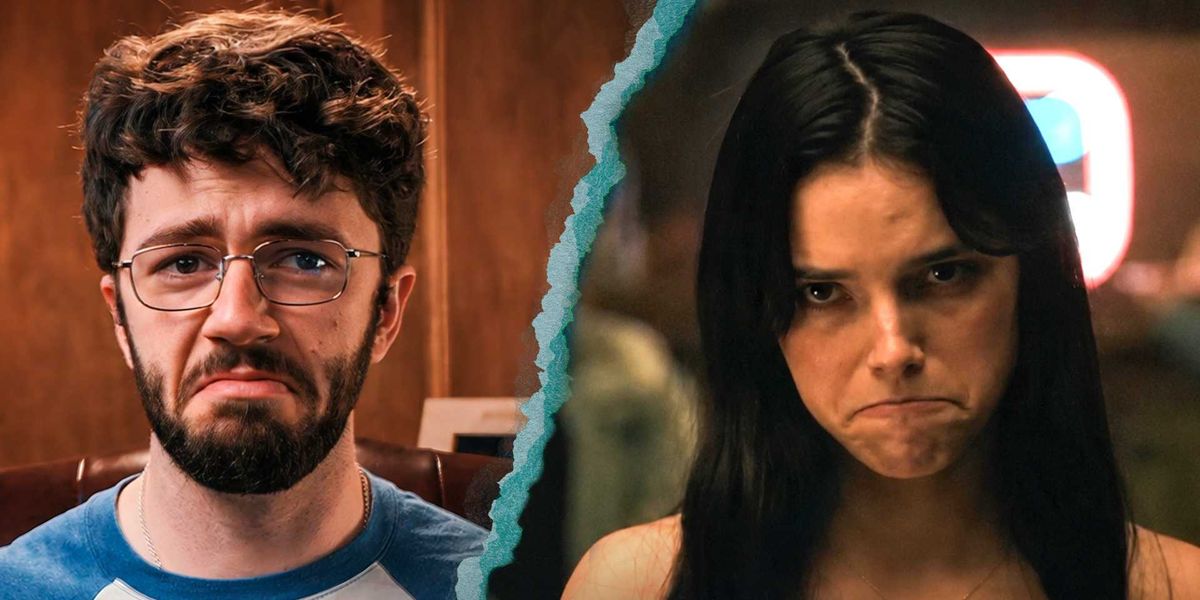
On the surface, Bear, the protagonist, looks like a classic “nice guy” who crosses a line by invoking a supernatural wish to force Nikki’s feelings. That setup lets critics point at the story as a warning: don’t weaponize affection or treat kindness as a transaction. But John Doyle pushes back on that easy read and argues there’s a different, sharper cultural diagnosis at work.
On this episode of “The John Doyle Show,” Doyle unpacks what he believes is the film’s magnetic pull for young viewers and why the usual interpretation misses the point.
In Doyle’s take, the movie zeroes in on how authenticity is stamped out by a culture that prizes cool, ironic detachment. “He’s immediately told by Ian that he’s just, you know, too real, man. He’s too authentic about all of it. And because he’s so authentic about it, it’s coming off cringey and weird,” says Doyle. That rebuke, he says, teaches a generation to hide what they actually feel.
Doyle argues that this performance-first code explains a lot of modern dating stumbles: people are coached to play roles, to avoid vulnerability, to measure out “cool” like a social currency. “We literally will not do anything at all,” Doyle says. “We will just, you know, sit there in the corner with our cool cards until we die.” When honesty feels like social suicide, many opt for gamified techniques instead of being real.
Those tactics can run from awkward pickup routines to manipulative moves like negging, but they all share a refusal to be straightforward. The film dramatizes that moment when Nikki asks Bear if he likes her and he answers “as a friend,” a line that reads less like a truth and more like a reflexive dodge. That misstep is the kind of missed opportunity Doyle sees as central to the story’s moral core.
“He failed to be authentic. He was too afraid,” says Doyle, rejecting the mainstream narrative that “Obsession” is about “nice guys trying to exercise control over women.” “[‘Obsession’] is, I think, just about that inauthenticity, and I think it ultimately is telling you the truth.” In his view, the horror in the movie is less a caution against entitlement and more a parable about the price of hiding who you are.
If that argument lands, the film becomes less of a vehicle for shaming and more a mirror for people who learned to perform instead of speak. For viewers curious about that clip-by-clip take, the episode above lays out Doyle’s case in full and connects the film’s weird, escalating violence to a wider cultural pattern of emotional suppression. To hear more, watch the episode above.
