
- Abdul El-Sayed’s Detroit health department record
- Scrutiny over animal control and shelter conditions
- Live-release and euthanasia numbers during the overhaul
- Whistleblower claims and legal fallout
- Campaign defenses and Republican criticism
- Why the issue is resurfacing in the Senate race
Abdul El-Sayed is back under a bright, ugly spotlight, and it is not because of a clean campaign launch or a polished stump speech. His time running Detroit’s health department, especially the animal control operation tied to it, has turned into a fresh headache as voters take a closer look at what happened on his watch.
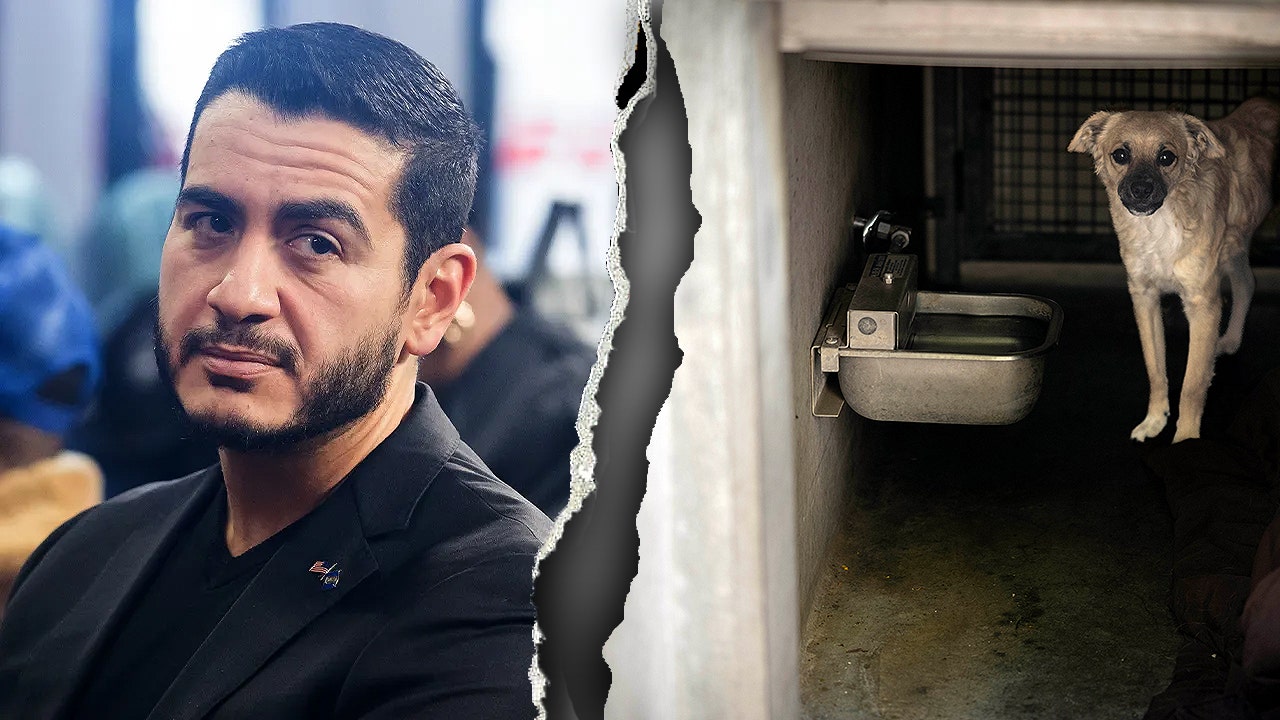
The core of the controversy is simple enough: Detroit Animal Care and Control had a grim reputation before reforms were pushed through, but the scale of the death toll and the stories coming out of the shelter have fueled real outrage. Critics say the record reflects a broken system that stayed broken for too long, while El-Sayed’s camp argues he inherited a mess and helped steer it toward something better.
That tension is why the issue keeps roaring back. Detroit’s live-release rate was reportedly in the low 20s when El-Sayed took over in late 2015, then climbed into the low 60s within about a year, a jump his defenders point to as proof that the operation was transformed. But the raw euthanasia figures, including thousands of dogs and cats euthanized over the period, have given opponents plenty of room to hammer away at the story.
The backlash got louder after social media latched onto the more disturbing parts of the record. One former Jill Biden press secretary posted, “I actually really really don’t want to believe this. Can someone verify?” and that kind of reaction only poured gasoline on an already hot fire.
Republicans have not wasted a second. Mike Rogers, El-Sayed’s GOP opponent, framed the issue in brutally blunt terms, saying, “This is sickening. Abdul El-Sayed wants Michiganders to trust him with their families,” and then adding, “Meanwhile, Detroiters couldn’t even trust him with their pets.”
The outrage traces back to complaints from former Detroit Animal Control officer Brittany Roberts, who filed a whistleblower lawsuit in 2015. Her allegations were ugly: animals starving, animals going without medical care, filthy conditions, and workers facing retaliation after speaking up.
Roberts also said the shelter was so bad it felt like a place where death had become routine. “I was almost embarrassed with myself to be part of a team that played a role of the death of so many dogs in their cages,” she said at the time. “Every morning, we’d just walk around and see who was alive before we could even feed.”
Those kinds of quotes do not fade easily, especially once they are attached to a candidate now asking for a U.S. Senate seat. Even if the numbers improved later, the original image is hard to shake, and that is exactly what opponents are counting on.
El-Sayed’s allies say the old system was rotten from the start and needed a full reset. They point to staffing changes, higher pay for animal-care officers, a modernized facility, better partnerships with rescue groups, and a push to get more animals adopted instead of left to die in the building.
His own description of the job sounds almost like a reluctant rescue mission. “When I was the new director of the Detroit Health Department, I inherited a part of the job that I never trained for and never thought I would do, which is Detroit Animal Control,” El-Sayed said during a 2024 podcast interview. “And it was a mess at the time, and I needed somebody who I could trust, who could come in and do right by the animals and right by the people of the city of Detroit. And Mel Miller was that person.”
Still, the legal problems never fully vanished. In 2016, a federal judge temporarily blocked Detroit Animal Control from taking dogs from homes without a warrant, consent, or an emergency, after residents challenged the operation’s practices. That ruling kept the pressure on and made the whole department look like a place where basic trust had collapsed.
The settlement with Roberts added another layer of damage, because once a whistleblower case ends in a payout, the public rarely treats that as a minor footnote. It feeds the larger impression that the operation was dysfunctional, careless, and in desperate need of cleanup.
That is why this fight matters far beyond animal control. A Senate candidate can talk about healthcare, wages, and national politics all day, but if voters believe a local department under his watch was a mess, the whole image changes fast.
El-Sayed’s supporters want the improved live-release rate to be the headline. His critics want the death toll, the lawsuit, and the shelter horror stories to be the headline instead, and right now the louder story is the one that stings.
