
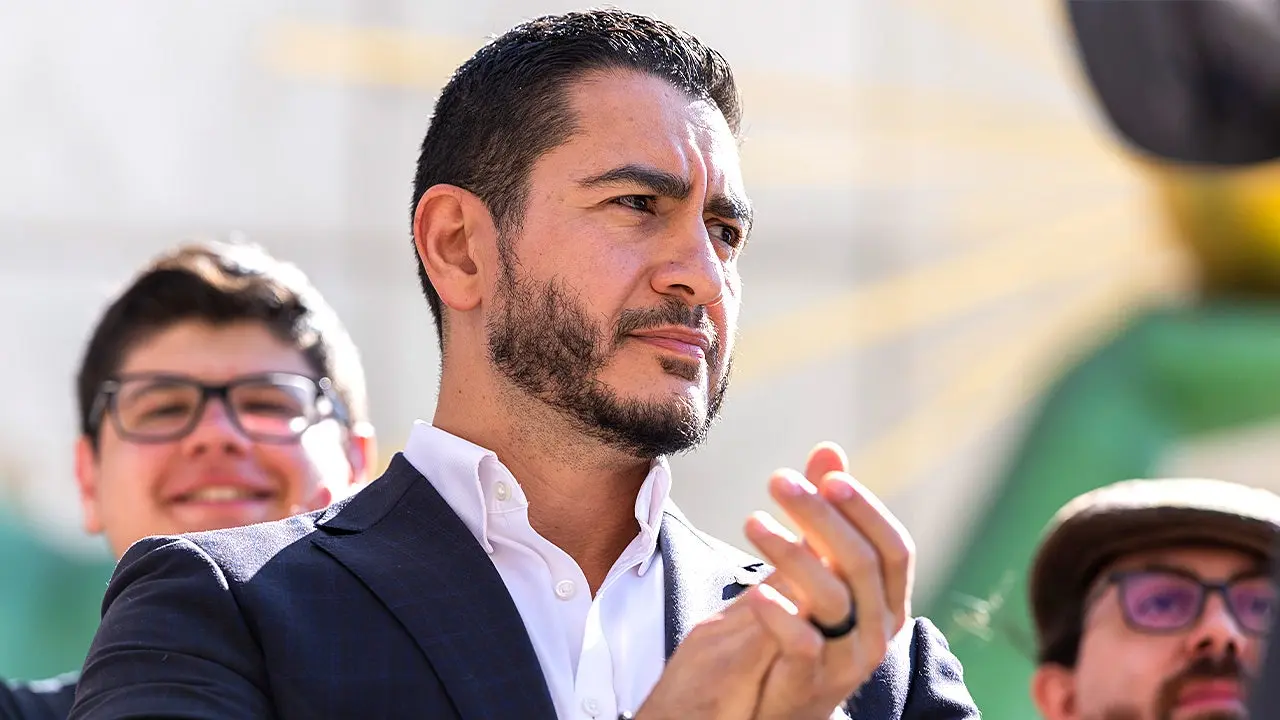
Political primaries can hide a lot, but the general election spotlight has a way of stripping candidates down fast. Abdul El-Sayed’s national media stumble, Darline Graham’s rough moment on Taiwan, and the broader question of whether untested contenders can survive prime-time scrutiny all sit at the center of the story. The bigger theme is simple: what works in a primary can blow up when the cameras get brighter and the questions get sharper.
There’s a reason some people are called “Primetime.” They look comfortable under pressure, deliver when the stakes rise, and seem to feed off the biggest stage. But politics is packed with candidates who look polished until the lights come on, and then the whole act starts to wobble.
That problem is not limited to one party. Plenty of hopefuls have cruised through friendly primary fields only to hit a wall once the race turns national and the audience gets less forgiving. Voters may overlook rough edges when they already agree on the basics, but a general election exposes every awkward answer, strange alliance, and loose sentence.
El-Sayed has become the latest example. As Michigan Democrats look to hold a crucial Senate seat, his profile has given Republicans a fresh target and plenty of material. His progressive positions, his ties to activist circles, and his uncomfortable television moments have turned him from a nominee into a talking point.
That is exactly why his Fox appearance landed so hard. Instead of making the case for mainstream appeal, he veered into territory that practically handed opponents a ready-made attack ad. When a candidate is talking past voters instead of reaching them, the race stops being about plans and starts being about judgment.
Democrats also have reason to worry about the company some candidates keep. El-Sayed’s connection to Hasan Piker brought another round of scrutiny, and the effort to distance himself afterward did not clean up the damage. In politics, association matters, especially when the people around a candidate bring baggage that voters already find toxic.
The same dynamic is playing out in other races too. Graham Platner entered the picture as a fresh face trying to take on a veteran Republican, but his own history quickly took over the conversation. A candidate can run as the outsider, but once the rough edges become the story, the outsider label stops sounding like an asset.
That is the trap for ambitious newcomers. They can be bold, different, and full of energy, but if the public is still learning who they are, every odd quote and every bad headline sticks. The electorate does not reward mystery for long, especially when the stakes include the Senate and control of the chamber.
El-Sayed’s comments on policy only added to the noise. He has pushed big, left-wing ideas and leaned into language that sounds polished in a stump speech but much less convincing when confronted on live television. At that point, the conversation shifts from vision to whether the candidate can defend it without sounding scattered.
Republicans are eager to keep the focus there. They see a chance to make El-Sayed a symbol of where Democrats are headed, then use that image to pressure other candidates in tougher states. That strategy works best when the other side keeps offering fresh clips, and El-Sayed has made that job easier than Republicans could have hoped.
Darline Graham’s own stumble shows how quickly a campaign can be judged on one answer. In a race where voters care about inflation, safety, and competence, a clumsy moment on a foreign-policy question can hang around longer than any prepared talking point. People may not remember every policy detail, but they never forget the feeling that a candidate is out of their depth.
That is why primaries can be so deceptive. A candidate can win over a narrow slice of the electorate, dominate a partisan lane, and still look unsteady once the race expands. The general election is where style, discipline, and message all get tested at once, and that is where the real mistakes tend to surface.
For Democrats, the timing could not be more awkward. The party needs disciplined candidates in places like Michigan and South Carolina, not new distractions that hand Republicans a clean shot. If a race starts to feel like a free comedy reel for the other side, the problem is no longer one candidate’s bad week, it is the whole operation.
That is what makes this stretch so revealing. The people who survive it look ready for the job, while the rest end up sounding like they were better suited for a smaller stage. And in a season where every Senate seat matters, the difference between ready and rattled can be the whole ballgame.
