
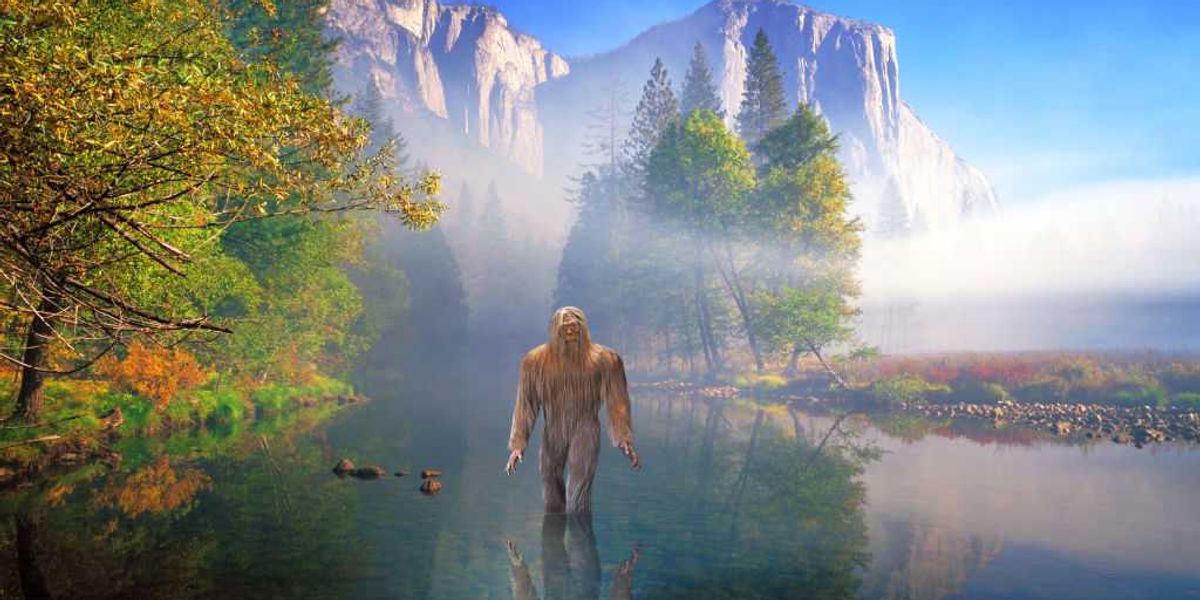
Freshly surfaced Forest Service records have put Bigfoot back in the spotlight, and the weird part is not just the sightings themselves. The files share a surprisingly consistent tone, with witnesses describing the same kind of strange, uneasy feeling before they ever lay eyes on anything unusual. That pattern gives the reports a more eerie edge than a simple collection of campfire stories.
Across the documents, the common thread is not flashy proof or dramatic footage. Instead, it is the way people keep circling back to the same emotional reaction, the sense that something is off long before the moment turns into a sighting. That detail has made the files stand out, because repeated instincts and gut-level discomfort can be harder to shrug off than a single wild claim.
Bigfoot stories already live in a space where folklore and field reports blur together, and that tension is part of the appeal. Some people see them as pure legend, while others treat them as scattered evidence that deserves a second look. The Forest Service material adds another layer to that conversation by showing that the reports were not written like theatrical ghost tales, but as matter-of-fact observations from people who seemed rattled by what they experienced.
The tone in the accounts matters. When multiple people describe the same off-putting atmosphere, it can suggest a shared encounter pattern, or it can simply show how powerfully the unknown affects human perception. Either way, the feeling itself becomes part of the story, and that is what keeps these records from fading into the background.
That unease also explains why Bigfoot continues to hold public attention after all these years. The legend is not just about a giant creature in the woods, but about isolation, darkness, and the possibility that a familiar place can suddenly feel unfamiliar. A trail, a tree line, or a quiet stretch of forest can change fast when someone senses they are not alone.
For believers, the files may look like one more sign that something real has been lingering at the edge of the woods. For skeptics, they are another reminder that fear, expectation, and half-seen movement can shape memory in powerful ways. The gap between those two camps is exactly what keeps Bigfoot from becoming boring.
Part of the fascination comes from how ordinary the witnesses often seem. These are not always people chasing fame or trying to build a myth. They are frequently outdoors workers, hikers, or locals who simply stumbled into a moment they could not easily explain, and that kind of plainspoken uncertainty carries more weight than an exaggerated tale.
The idea of a recurring “uneasy feeling” also taps into something deeper than the creature itself. People are wired to notice when the world feels wrong, and that instinct can sharpen in remote places where sound carries strangely and shadows seem to move on their own. In that kind of setting, one uneasy moment can grow into a lasting memory.
That is why these newly noticed files have stirred up fresh conversation. They do not hand over a neat answer, and they do not settle the question once and for all. They simply add more fuel to a mystery that has managed to stay alive because it knows how to hover just outside certainty.
