
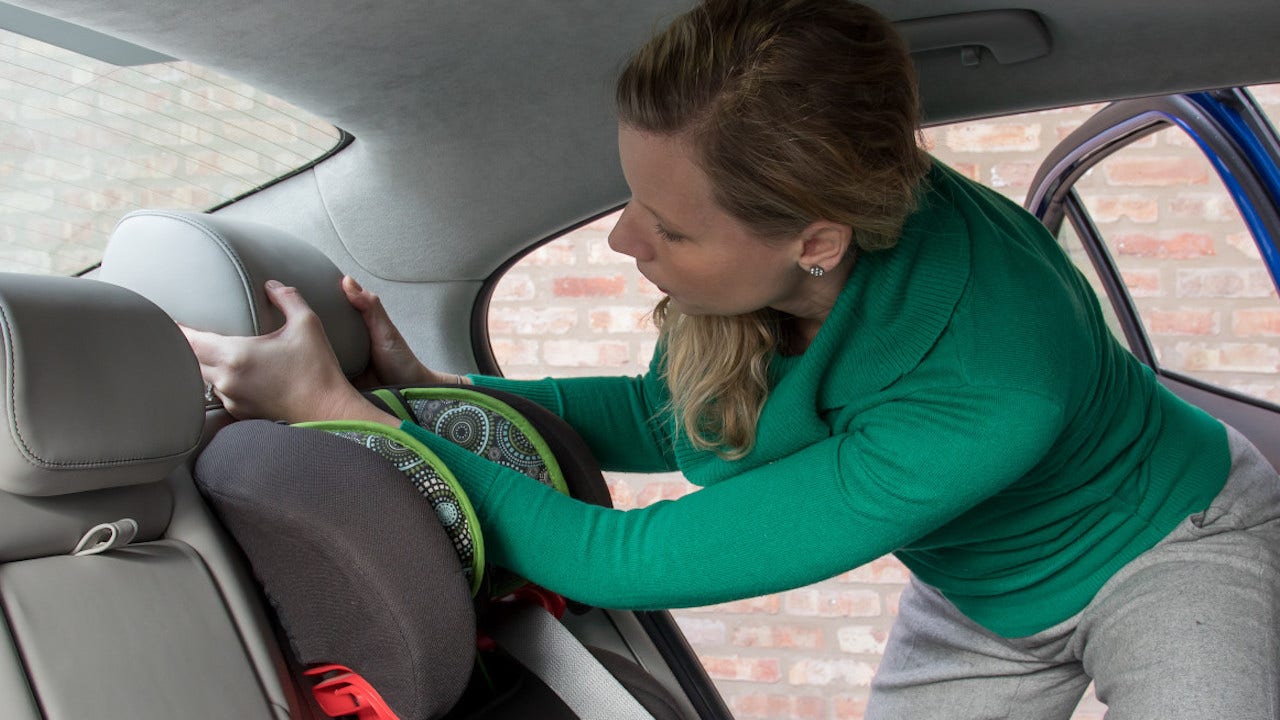
California’s new booster seat law is set to push child passenger safety into a stricter lane, and the change could affect kids all the way up to age 15 unless they pass a five-point fit test. Supporters say the measure is a blunt response to a real problem, with crash injuries and deaths among children climbing in recent years and younger kids taking the hardest hit.
Here’s the core of it: Assembly Bill 435 raises the bar for when a child can ditch the booster and ride with a regular seat belt. Starting in the new year, children ages 8 to 15 can only use a standard seat belt without a booster if the belt fits them correctly and they can stay positioned properly for the whole ride.
The law leans on a simple idea that is easy to understand and hard to argue with. A seat belt only works the way it should when it sits on the body the right way, and that is not always the case for growing kids, even ones who look big enough to skip the booster.
That is why the new standard uses five specific checks. A child has to sit with their back flat against the seat, bend their knees naturally over the edge, keep the shoulder belt across the middle of the chest and shoulder, keep the lap belt low across the hips and upper thighs, and hold that posture the entire time.
The push for tighter rules comes after a jump in child crash injuries following the pandemic. Wilson and other supporters have pointed to data showing that children ages 8 to 12 are especially vulnerable, which has made the booster seat debate more urgent than it once seemed.
The old rule gave families more leeway. Before this change, children 8 and older, or kids at least 4 feet, 9 inches tall, could ride without a booster seat, but the new law swaps a broad age-and-height standard for a more exact fit test.
That shift matters because child size varies a lot, and age alone does not tell the whole story. Some 10-year-olds still need the extra height of a booster, while some teens may finally fit a seat belt well enough to ride safely without one.
Safety experts have long said misuse is a huge part of the problem. Federal and industry studies have repeatedly found that car seats and boosters are often installed wrong, adjusted wrong, or used without the proper fit, which cuts down their protection in a crash.
The numbers are hard to ignore. A 2011 National Child Restraint Use Special Study found that 46% of car seats and booster seats had at least one major installation or use error, and the National Highway Traffic Safety Administration has said nearly all seats have some kind of misuse.
Even more recent research points the same way. A 2021 study by AAA and the National Safety Council found that more than half of the car seats brought in for inspection were improperly installed or used, while only one in five parents and caregivers sought help from an expert.
That leaves a big gap between what families think is safe and what actually works on the road. It also explains why lawmakers and safety groups keep hammering the same message: the right restraint can make all the difference, but only if it fits the child and the vehicle correctly.
Wilson framed the issue as one of protection, not embarrassment, and that tone is part of why the law landed the way it did. The focus is on making sure kids are safe if a crash happens, not on treating older children like they are still toddlers.
For parents, the new rule means paying closer attention to how a child sits in the car, especially as kids grow fast and seats vary from one vehicle to another. That kind of detail can feel tedious, but in a hard stop or a wreck, the difference between a good fit and a bad one can be everything.
