
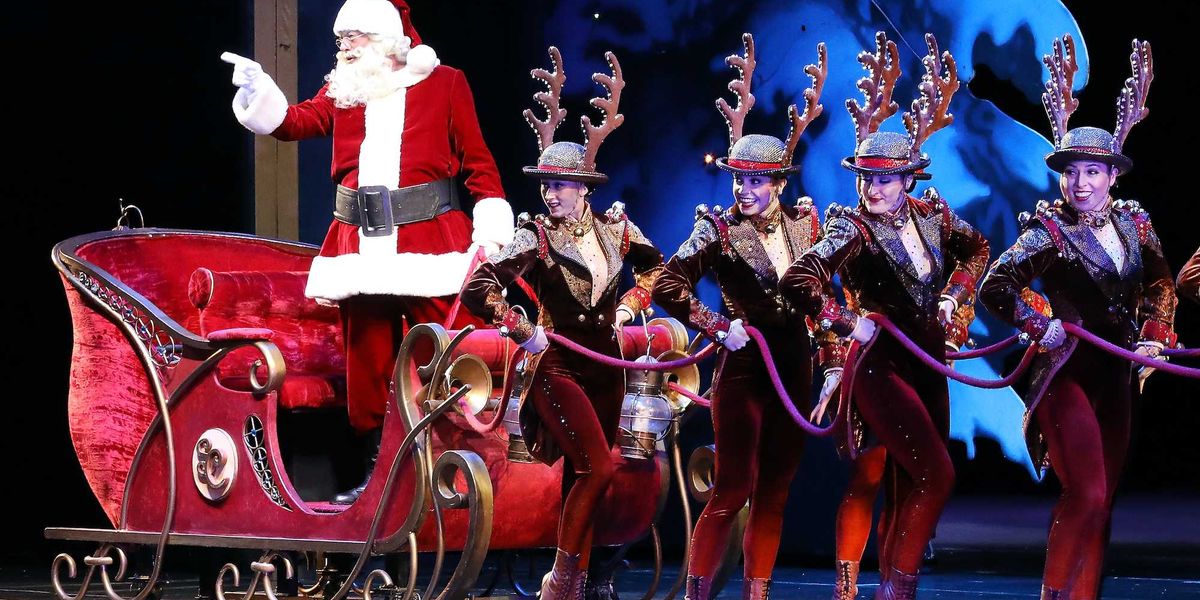
A holiday show at Radio City Music Hall was thrown into chaos after PETA protesters rushed the Rockettes stage and turned a festive performance into a loud confrontation. Security moved quickly, the activists were removed, and the interruption instantly became the moment everyone was talking about.
The stunt hit during the beloved Christmas Spectacular, a polished New York tradition built on precision, choreography, and packed crowds looking for a clean dose of holiday cheer. Instead of letting the performance roll on, the protesters forced the room to shift from pageantry to disruption in a matter of seconds.
Footage from the scene showed the protesters being escorted off the stage after cutting into the show. The reaction was fast and physical, which only added to the tension already hanging over the theater.
PETA has a long history of theatrical protests, and this one fit the same playbook of grabbing attention in the most public way possible. The group often uses high-visibility events to push its message, betting that shock value will travel farther than a quiet statement ever could.
That strategy may generate headlines, but it also tends to harden public opinion against the stunt itself. For a lot of people in the audience and beyond, a holiday performance is the wrong place to hijack the moment, especially when families and children are there for a night out.
The Rockettes are not just any act. Their name carries weight because the show depends on discipline, timing, and a sort of old-school showbiz polish that is hard to fake and easy to interrupt.
When a protest breaks that rhythm, it does more than create a scene. It can derail the experience for everyone who paid to see the performance, including the dancers who spent countless hours preparing for one of the busiest stretches of the year.
There is also the basic question of respect for the venue. Broadway and live theater have long depended on an unwritten rule that the audience comes to watch the show, not become part of it through a forced interruption.
That line was crossed here in a very visible way, and the response was just as visible. Security did what it had to do, and the show could continue after the disruption was cleared out.
For activists, these moments are calculated to dominate the conversation, and in that sense they often succeed. The interruption itself becomes the story, even if the original message gets drowned out by the backlash that follows.
Still, the scene also shows the limit of attention-grabbing tactics. A protest can make noise for a minute, but it can also leave people remembering the disorder more than the cause behind it.
That tension is part of why these actions keep happening. The louder the performance, the more likely it is to spread online, yet the more likely it is to spark irritation from viewers who just wanted the evening to stay festive and uninterrupted.
