
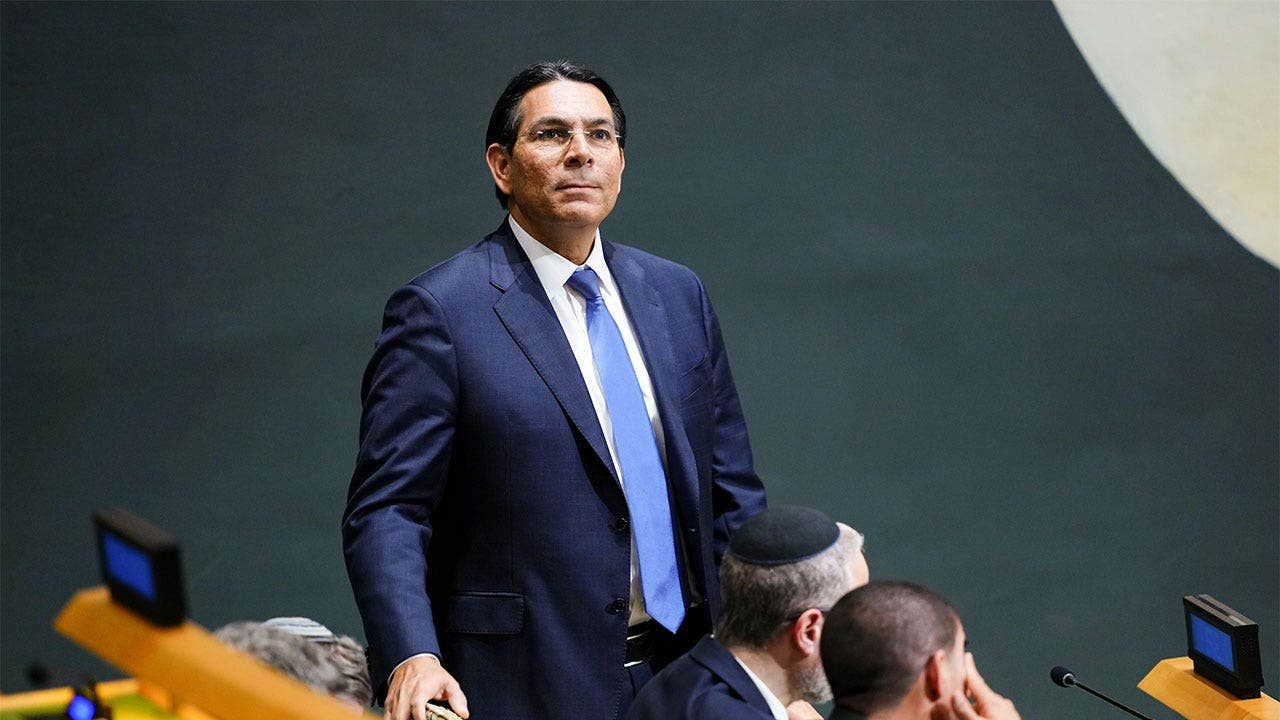
Auschwitz still carries a kind of silence that cuts deeper than noise, and that is exactly why the fight against antisemitism cannot be treated like background chatter at the United Nations. The article follows Israel’s push to drag the issue out of vague speeches and into real action, from a visit to Auschwitz with U.N. ambassadors to a broader warning that the next secretary-general will face a make-or-break test on Jew-hatred, bias, and moral clarity.
Earlier this month, a group of U.N. ambassadors walked through Auschwitz with Israel’s UN ambassador, and the moment was meant to do more than honor memory. It was a reminder that antisemitism is not an abstract problem trapped in history books, but a force that can still grow when institutions look away or talk around it.
The setting mattered. Auschwitz is not just another stop on a diplomatic itinerary, and standing there forces the issue out of the comfort zone of carefully worded statements. The article argues that the lesson of the Holocaust is simple and brutal: silence helps hatred breathe.
That warning lands especially hard now, with the race for the next U.N. secretary-general moving ahead. The piece says the incoming leader must confront antisemitism inside the institution itself, where anti-Israel bias has become too familiar in speeches, reports, and the general tone coming out of New York.
The criticism is direct. An organization created after the Holocaust should not be giving cover to rhetoric that demonizes Israel while pretending to fight hatred against Jews. That contradiction sits at the center of the article’s argument and gives the whole mission its urgency.
To push back, the article describes a task force of U.N. member states formed in September to turn anti-antisemitism declarations into action. The point is not another round of polished language. It is to make sure the conversation produces pressure, alliances, and measurable results.
The visit to Poland was only part of the effort. The bigger goal was to make Holocaust memory do real work in the present, especially for ambassadors who had studied the history but never stood in the places where Nazi cruelty became routine.
That kind of witness leaves a mark. Reading about the Holocaust and hearing testimony can only go so far, and the article makes clear that being on the ground in Auschwitz changes the tone of the conversation in a way no briefing ever could.
The piece also widens the lens beyond the U.N. Around the world, 2025 is described as the deadliest year for antisemitic violence in three decades, and the numbers are presented as proof that the threat is not fading. The point is hard to miss: this is not a distant European memory, but a live and spreading danger.
In the United States, the article cites FBI data showing that Jews remain the most targeted group in religiously motivated hate crimes despite being a small share of the population. That reality gives the international debate a domestic edge, because the same poisonous ideas can show up in cities, campuses, protests, and on the street.
The article points to an anti-Israel bike rally in Philadelphia as an ugly example of how quickly political rage can slip into old antisemitic patterns. The language of “genocide” and collective blame is framed as familiar and dangerous, the kind of rhetoric that turns neighbors into targets.
Israel’s message, though, is not retreat. The article says the country must keep confronting hostility at the U.N. rather than walking away from the fight, because stepping out of the arena would leave the field to lies and intimidation. The answer, it argues, is persistence, coalition-building, and a willingness to call out bias every time it surfaces.
That same logic carries into Israel itself, where visiting ambassadors are shown not just pain, but resilience. The article describes a visit to sites connected to the Oct. 7 massacre and to the realities Israel faces on the ground, underscoring the argument that a strong Jewish state is not a luxury but a necessity.
By the end, the message is blunt: combating antisemitism takes leadership that is willing to act, not just speak. The next secretary-general will inherit a damaged institution, and the real question is whether that office will finally stand up to hatred or keep letting it seep into the walls.

1 Comment
The UN, itself, is the most antisemitic organization in existence