
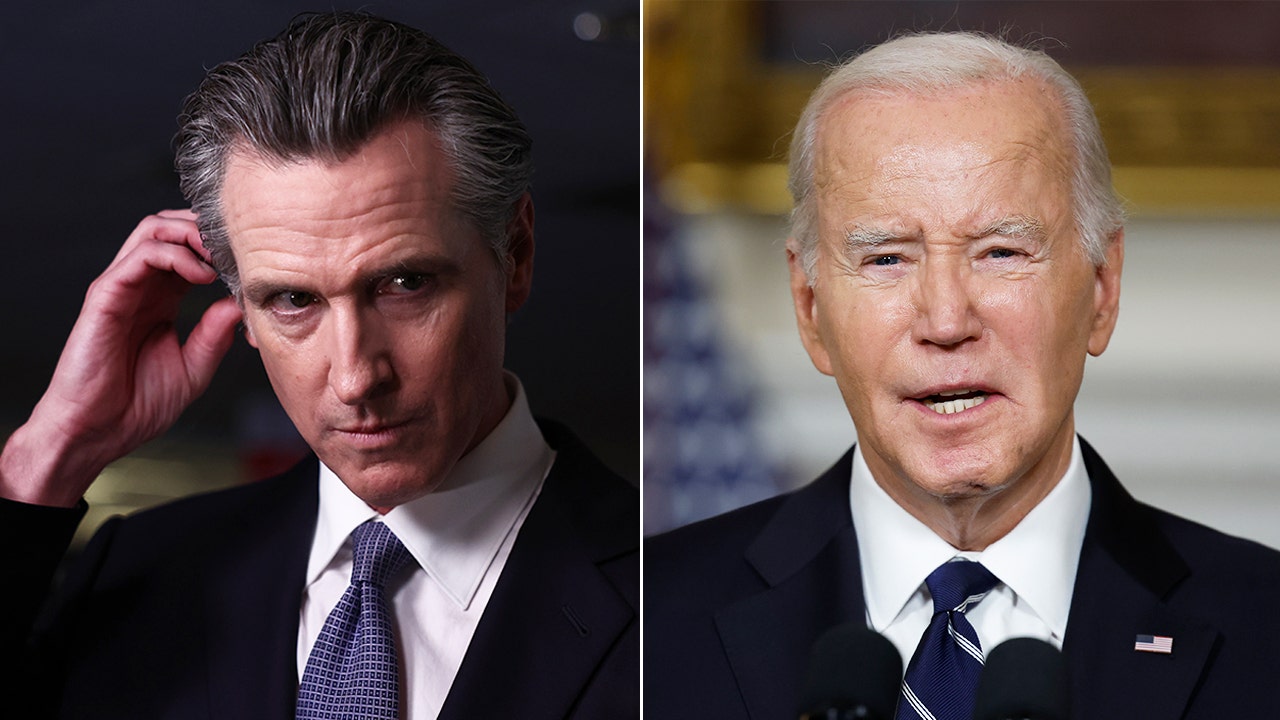
California’s death row commutations have lit a fire over whether elected leaders should be able to wipe away jury verdicts with a signature. The debate sits at the crossroads of crime, punishment, and public trust, with victims’ families and prosecutors arguing that the move trampled on the work of thousands of citizens who took their duty seriously.
The death penalty is not supposed to be automatic. In the most serious murder cases, prosecutors must prove more than the killing itself, usually showing an aggravating factor like multiple victims, a child victim, or a murder committed during another felony such as robbery or rape. That is why capital cases are rare, and why the process is built to be slow, deliberate, and exacting.
Once a death sentence is handed down, the legal fight does not end there. There are separate phases for guilt and punishment, and then comes a long trail of appeals, challenges, and reviews that can stretch on for years. The system is designed to make sure the final outcome is not rushed, because the stakes could not be higher.
Even jury selection in these cases is a test of nerve and judgment. Potential jurors are questioned one by one about their beliefs and whether they can follow the law, and the answers can be startlingly off base. Some people think they could only vote for death if they saw the killing themselves, while others set conditions that have nothing to do with the law at all.
That backdrop is what makes a mass commutation so explosive. California Gov. Gavin Newsom cleared 548 inmates off death row, turning death sentences into life in prison without parole and effectively gutting the state’s capital punishment system. Supporters of the move may see compassion; critics see a governor overruling juries without paying the political price up front.
The timing only sharpened the backlash. Newsom waited until after the election to act, which gave the whole decision a whiff of political calculation rather than moral courage. If a leader truly believes a policy is wrong, the hard part is saying it when the cameras are still on and the ballot box is still nearby.
The criticism does not stop with California. Former President Joe Biden also drew heat for commuting nearly all federal death sentences, leaving a small handful untouched, including some of the nation’s most notorious killers. That kind of selective mercy may sound measured on paper, but it still leaves the same basic question hanging in the air: who gave one person the right to erase the judgment of many?
Supporters of capital punishment often argue that it is reserved for the worst of the worst, not for every murder case. In that view, death sentences are earned through brutal crimes, repeated violence, and the kind of suffering that leaves whole communities shattered. That is why many see the last-minute commutations as a slap in the face to victims who already endured the hardest verdict in the room.
There is also the matter of consent, or the lack of it. The jurors who sat through graphic evidence, heard the testimony, and weighed aggravating and mitigating factors were not asked to make a symbolic gesture. They were asked to decide whether society’s most severe punishment fit the facts, and they answered after doing the work.
That is what makes the entire dispute feel bigger than one governor, one president, or even one state. It is about whether public officials respect the institutions that ordinary people rely on when the system is at its most serious. When a signature can sweep aside years of jury deliberation, the message to those citizens is loud and ugly, and it lingers well beyond the headlines.
