
Checklist:
- Cruise ships as high-risk settings for infectious spread
- Why crowds, shared spaces, and delays fuel anxiety
- Common stomach illness outbreaks versus rarer deadly viruses
- The role of fast identification, testing, and isolation
- How calm, reassurance, and medical presence can steady passengers
Cruise vacations promise easy days, ocean views, and a break from routine, but a ship can flip from carefree to tense in a hurry when illness starts moving through the decks. In close quarters, worry spreads almost as quickly as a bug, and the mood on board can turn rough long before anyone knows exactly what is making people sick.
That is part of what makes gastrointestinal outbreaks on cruise ships so unnerving. A limited space, shared dining areas, crowded walkways, and constant contact with railings, doors, and buffets create the kind of setting where infections can keep finding new hosts. Even when sanitation efforts ramp up fast, passengers can still feel boxed in by uncertainty.
The latest case involving the Caribbean Princess is a good example of how quickly a voyage can become a public health story. Nearly 150 passengers and crew reported stomach-related symptoms, and when the exact cause is not yet clear, the gap between illness and identification can feel endless. That delay does not just frustrate officials, it fuels fear.
Many cruise ship outbreaks end up being norovirus, which is notorious for tearing through tightly packed groups. It causes vomiting, diarrhea, and a whole lot of misery, but it usually passes without becoming something more severe. Even so, the mess it leaves behind can be dramatic enough to dominate headlines and rattle travelers who were expecting sunshine, not quarantine-style cleaning crews.
What makes these incidents especially tricky is that not every outbreak is a simple stomach bug. Some illnesses move faster, hit harder, and carry far more serious consequences, which is why early confusion can be dangerous. When symptoms look vague at first, passengers may shrug them off, and that window of uncertainty can become a real problem.
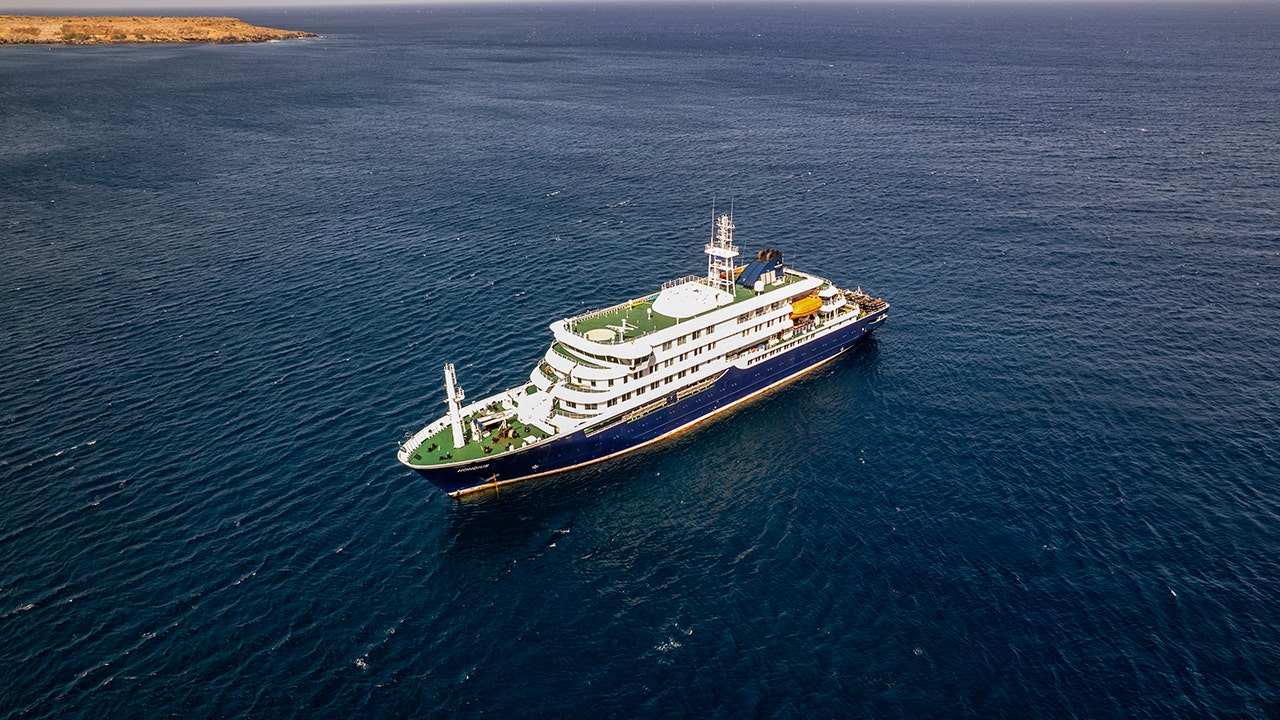
The hantavirus episode aboard the MV Hondius showed how grim things can get when a cruise carries something far more serious than norovirus. Passengers and crew were suddenly dealing with a virus that can spread human to human, and in that kind of environment, every delay in diagnosis raises the stakes. Once fear takes hold, it can be as disruptive as the illness itself.
That is where calm leadership matters. A doctor on board is not just there for treatment, but also for steadying the room when the room feels like it is tilting. Reassurance, even when medicine is limited, can help people follow isolation rules, cooperate with restrictions, and avoid panicking each other into chaos.
There is something powerful about a medical presence that does more than issue instructions. On a ship, passengers often need a voice that sounds certain, humane, and unhurried while everybody else is imagining the worst. Calm does not cure a virus, but it can stop fear from making everything worse.
Better testing would also change the game. Rapid identification means crews can separate the sick sooner, stop guessing, and make decisions with real information instead of rumors. On a large ship, waiting days for answers is a luxury no one wants when every meal, hallway, and excursion becomes part of the same shared environment.
That is why the conversation around cruise health is bigger than one vessel or one outbreak. Travelers want the freedom of the sea, but they also want confidence that illness will be spotted, explained, and handled before it snowballs. Until that gets easier, the smartest tool on board may be the simplest one: a steady hand, a clear head, and a crew that refuses to let panic take the wheel.
